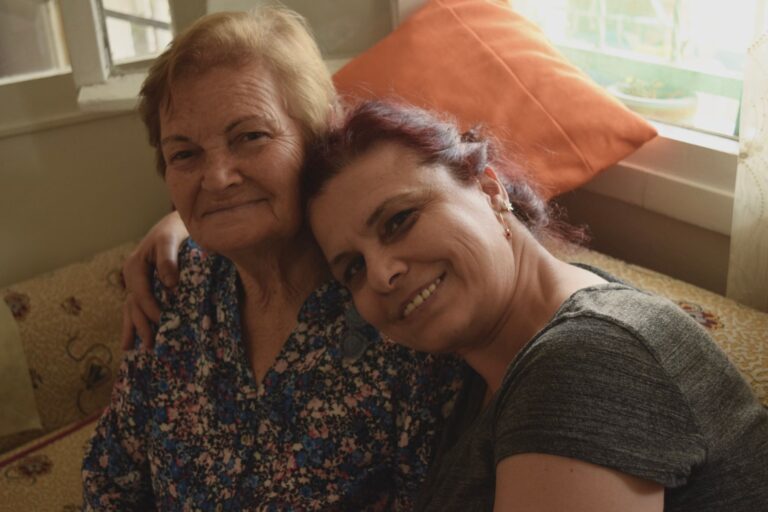
UAS-CLEAR is a new nationally representative longitudinal study that tracks caregiving experiences and well-being across the life course. Its priority is comparing dementia caregivers with other caregivers, and adults with memory concerns can ask about purpose, tasks, risks, time, costs, and follow-up. The comparison matters because dementia care differs from other care in daily tasks, stress, and support needs. Clear questions help a person judge whether a study fits personal health goals, family time, and comfort with tests or surveys.
Medical information disclaimer: This article is for general educational purposes only and does not provide medical advice, diagnosis, or treatment. Always consult a physician or other qualified health professional about symptoms, medications, tests, or treatment decisions.
Table of Contents
- What does UAS-CLEAR follow over time?
- How do 2026 national priorities shape dementia research?
- What should you ask before joining a study?
- What are the limits of survey data?
What does UAS-CLEAR follow over time?
The University of Michigan Institute for Social Research describes UAS-CLEAR as research on caregiving experiences and well-being across the life course, with comparisons across diverse care partners project page. That design looks beyond one illness or one moment. It follows how care starts, changes, and affects health, work, and family life. The study builds on the Understanding America Study panel.
USC Dornsife reports that the panel includes more than 14,000 randomly selected U.S. adults who complete web surveys regularly panel expansion announcement. Large repeated surveys let researchers spot patterns faster than small one-time interviews. For readers, the useful product is reported experience: who gives care, what tasks they do, what support they lack, and how well-being shifts. Those patterns can guide service planning, caregiver support, and future clinical studies.
How do 2026 national priorities shape dementia research?
Federal funding sets capacity for new work. The Alzheimer's Impact Movement reported about $3.9 billion in total annual federal dementia-research investment after the FY2026 package added funds for NIH research and CDC BOLD infrastructure. Money alone does not set science priorities, but it supports larger samples, longer follow-up, and shared tools. NIH's FY2026 professional-judgment budget, summarized by Alzheimers.gov, prioritizes seven ADRD areas.
They include translational and clinical interventions, dementia care and disease impact, and shared research resources. That mix links lab progress, practical care, and data systems researchers can reuse. The 2026 National Plan update, reported by McKnight's Home Care on the HHS plan, replaced six historic goals with four focused aims. The aims cover lifespan brain health, faster biomarkers and trials, and better care from detection and diagnosis through coordination and transitions. UAS-CLEAR fits the care and lifespan parts by tracking lived experience over time.
What should you ask before joining a study?
The National Institute on Aging advises potential volunteers to ask the research team about purpose, tasks, risks, benefits, time, costs, and follow-up common-questions guide. Use those prompts as a checklist at screening. Clear answers protect time and reduce surprise later. Ask how results will be shared with participants.
Some studies return personal results, while surveys may share only group findings. Also ask whether a care partner can attend visits, help with surveys, or receive updates. Write down the answers and compare across studies. A good match states demands plainly, explains privacy steps, and lets a person withdraw without penalty.
- What is the purpose, and what will I be asked to do, including tests, surveys, or clinic visits?
- What are the possible risks and benefits, how much time is needed, and are there costs?
- What follow-up happens during and after the study, and who can I contact with concerns?
What are the limits of survey data?
Surveys capture what people report, not clinical proof. A 2025 national UAS dementia-caregiver survey published in The Gerontologist notes that findings rely on self-reported online panel surveys from about 13,500 U.S. adults national survey report. Results describe reported caregiving, screening, and behavior rather than confirmed diagnoses.
That limit still leaves value. Reported strain, missed work, sleep loss, and unmet needs shape real care choices. But readers should not treat a survey rate as a diagnosis rate or apply group averages to one person. Before acting on a finding, ask whether it reflects people like you in age, health, and care role. Ask your clinician how survey evidence, personal history, and an exam fit together for next steps.
You Might Also Like
- NHATS and NSOC Dementia Care Data Priorities in 2026: What Researchers Still Need to Learn for Adults With Memory Concerns
- Home-Based Dementia Care Research Priorities in 2026: A Source-Checked Briefing for Adult Children
- The Ideal Dementia Care Map Discussed by NIA in 2026: Cost and Access Questions for Adult Children