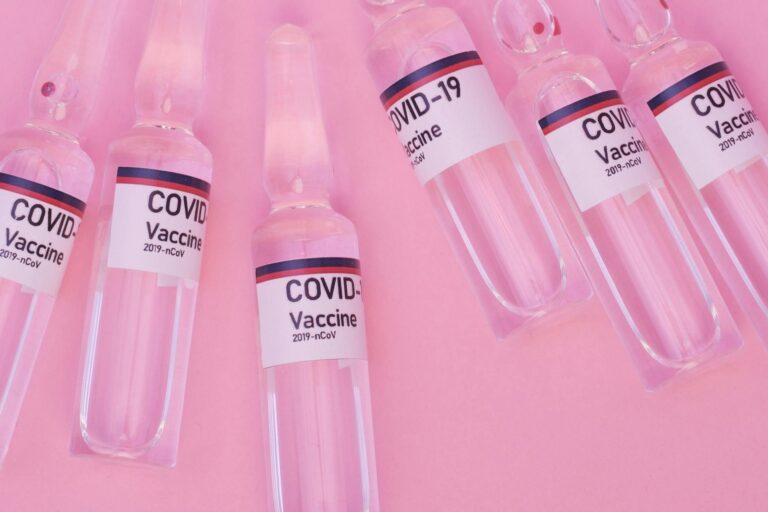
For the roughly 6.1 million Americans living with peanut allergy, the fear of accidental exposure has long been managed with one blunt tool: avoidance. That changed in January 2020, when the FDA approved Palforzia, the first-ever oral immunotherapy for peanut allergy, and it changed again in February 2024, when Xolair became the first medication approved to reduce allergic reactions across multiple food allergies simultaneously. These treatments represent a fundamental shift from simply dodging allergens to actively retraining the immune system — or blunting its overreaction — so that an accidental bite of the wrong cookie doesn’t end in an emergency room visit. But the landscape is more complicated than a single breakthrough.
Palforzia, despite its clinical success, will be pulled from the market by July 31, 2026, a commercial decision by its manufacturer that leaves families scrambling. Meanwhile, a peanut allergy patch from DBV Technologies just posted strong Phase 3 results, Xolair is proving it may outperform oral immunotherapy with fewer side effects, and researchers are finding that drastically lower doses of peanut protein may work just as well as higher ones. For readers of this site, many of whom are caregivers managing complex health needs for loved ones with cognitive decline, understanding these treatments matters — because food allergies don’t pause for a dementia diagnosis, and a person who can no longer reliably read labels or remember what they’re allergic to needs every layer of protection available. This article walks through the major immunotherapy options now approved or in late-stage trials, what the discontinuation of Palforzia means practically, how Xolair works differently from oral immunotherapy, what the Viaskin peanut patch offers, and what caregivers should discuss with allergists heading into 2026 and beyond.
Table of Contents
- How Does Immunotherapy for Peanut Allergy Actually Work, and Why Does It Change Treatment Forever?
- Palforzia Is Being Discontinued — What Does That Mean for Patients and Caregivers?
- Xolair’s Expanding Role in Food Allergy Protection
- The Peanut Patch — A Less Invasive Option on the Horizon
- Lower Doses, Fewer Reactions — The Quiet Revolution in OIT Research
- What Caregivers Managing Dementia and Food Allergies Need to Know
- What Comes Next in Peanut Allergy Treatment
- Conclusion
- Frequently Asked Questions
How Does Immunotherapy for Peanut Allergy Actually Work, and Why Does It Change Treatment Forever?
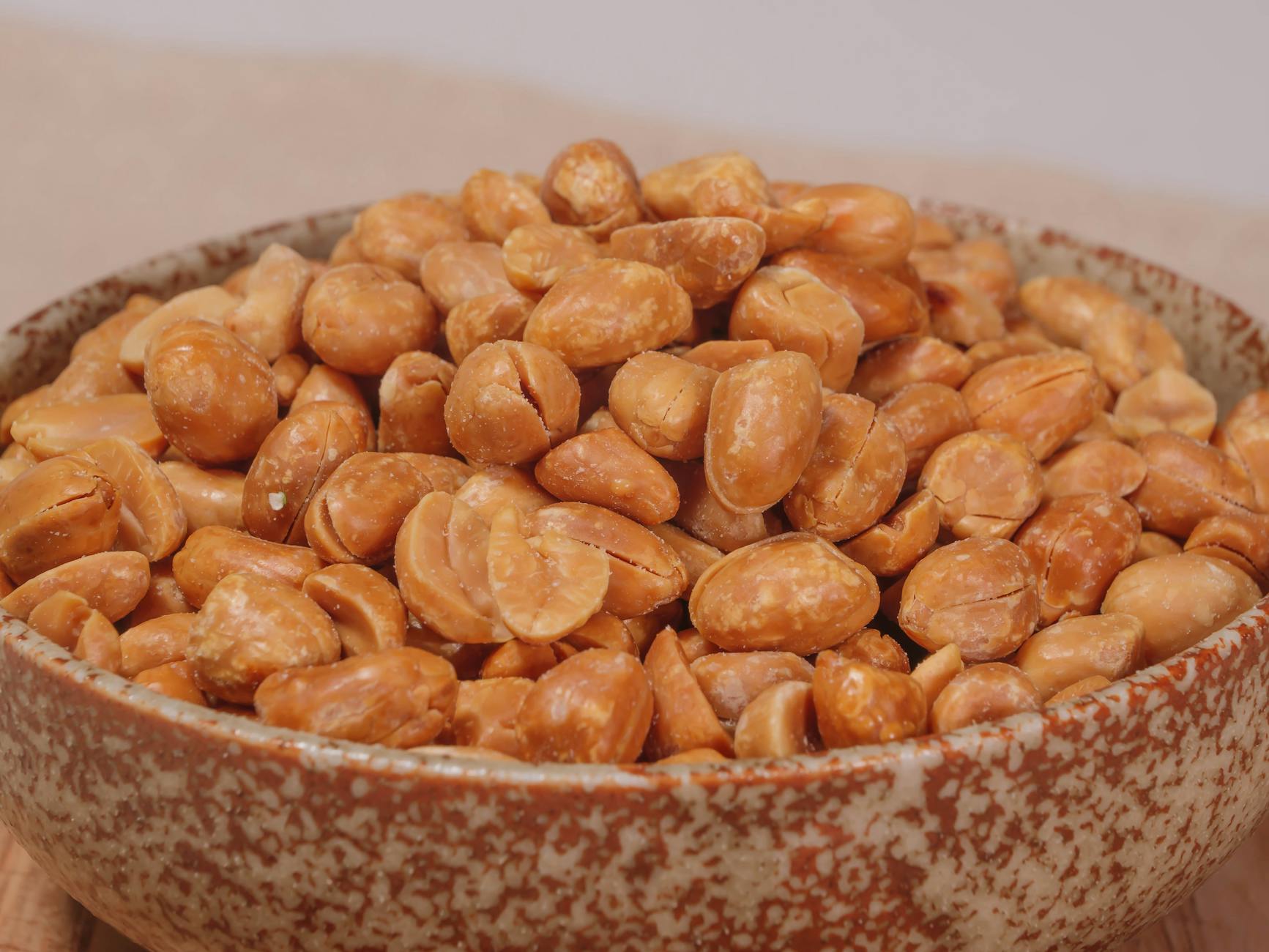
Traditional peanut allergy management has always been reactive: carry an epinephrine auto-injector, avoid peanuts, and hope for the best. Immunotherapy flips that equation. Oral immunotherapy, or OIT, works by feeding a patient tiny, gradually increasing amounts of peanut protein under medical supervision until their immune system learns to tolerate a threshold dose. In Palforzia’s clinical trials, 85 percent of patients who completed the protocol tolerated at least 600 milligrams of peanut protein — roughly two peanuts — compared to just 4 percent on placebo. That’s not a cure; patients still carry epinephrine and avoid peanuts deliberately. But it’s the difference between a life-threatening reaction from a trace amount in a shared kitchen and being able to withstand accidental exposure without crisis. Anti-IgE therapy takes a different approach entirely.
Xolair, approved in February 2024 for ages one and up, is a biologic injection that blocks immunoglobulin E, the antibody responsible for triggering allergic reactions. Rather than building tolerance to a specific allergen, it dials down the immune system’s overall tendency to overreact. In clinical trials, 68 percent of patients on Xolair tolerated a single peanut protein dose without moderate-to-severe symptoms, versus just 6 percent on placebo. The advantage here is significant for people with multiple food allergies — Xolair is the first FDA-approved medication that covers more than one food allergen at a time. What makes this moment genuinely different from past incremental progress is the convergence of multiple viable approaches. We now have oral immunotherapy, injectable biologics, and an epicutaneous patch all showing meaningful efficacy in rigorous trials. A decade ago, there were zero FDA-approved treatments for food allergy. The treatment paradigm hasn’t just shifted — it has multiplied.
Palforzia Is Being Discontinued — What Does That Mean for Patients and Caregivers?
Stallergenes Greer, the company that manufactures Palforzia, announced it will cease commercialization of the drug as of July 31, 2026. No new patients will be started on the therapy after April 1, 2026. The company was clear that this decision is not related to safety, quality, or efficacy — it is a business decision, likely driven by the drug’s difficult commercial trajectory. Palforzia required a complex dosing protocol, a Risk Evaluation and Mitigation Strategy (REMS) program, and frequent clinic visits, all of which made it expensive and logistically burdensome for both providers and families. Roughly 20 percent of patients in clinical trials dropped out, with 13 percent leaving specifically due to adverse reactions including anaphylaxis and eosinophilic esophagitis. Dr. Purvi Parikh, a board-certified allergist, captured the frustration many clinicians feel: “It is disappointing to lose an oral immunotherapy option for peanut allergy — a condition that has increased in severity as well as incidence over time.” Peanut allergy prevalence in U.S. children tripled from 0.4 percent in 1997 to 1.4 percent in 2008, and it continues to rise.
The annual incidence of peanut allergy in one-year-olds tripled between 2001 and 2017. Adult prevalence has climbed from under 1 percent in 1999 to approximately 2.9 percent in the 2015–2016 period. Over 800,000 U.S. adults appear to have developed their peanut allergy after age 18, a fact that surprises many people who assume food allergies are strictly a childhood condition. However, Palforzia’s departure does not leave patients without options. Many allergists have been conducting non-branded OIT using carefully measured store-bought peanut products under supervised protocols, even before Palforzia existed. This practice continues. And for caregivers managing a loved one with dementia who also has a peanut allergy, the critical takeaway is this: talk to the allergist now, before April 2026, to discuss transition plans. Waiting until the drug is unavailable creates unnecessary risk.
Xolair’s Expanding Role in Food Allergy Protection
Xolair was originally approved years ago for severe asthma and chronic hives, but its February 2024 approval for food allergy marked a significant expansion. For caregivers, Xolair’s practical advantage is simplicity compared to OIT. It’s an injection given every two to four weeks, and it doesn’t require daily dosing with the allergen itself. There’s no gradual dose escalation, no daily peanut flour mixed into applesauce, no window of time after each dose where exercise must be avoided. For a person with cognitive impairment who cannot manage a complex daily medication routine, this matters enormously. A Phase III study released by Roche in March 2025 provided further evidence that Xolair may be more effective than oral immunotherapy while producing fewer side effects.
This is a notable finding, because OIT’s side effect profile has always been its Achilles’ heel — gastrointestinal symptoms are common, and anaphylaxis during dose escalation, while rare, is a real risk. For a dementia patient who may not be able to articulate symptoms like throat tightening or abdominal pain, a treatment with a milder side effect profile is not just preferable; it may be the only responsible choice. Still, Xolair has an important limitation that caregivers must understand: it does not eliminate the allergy. patients must continue avoiding allergenic foods. What Xolair does is raise the threshold at which an accidental exposure becomes dangerous. Think of it as widening the safety margin rather than removing the hazard. For someone in a memory care facility where dietary controls may not be perfectly enforced, that wider margin could be the difference between a manageable incident and an anaphylactic emergency.

The Peanut Patch — A Less Invasive Option on the Horizon
DBV Technologies has been developing Viaskin Peanut, an epicutaneous immunotherapy patch that delivers microgram amounts of peanut allergen through intact skin. The concept is elegant: a small adhesive patch worn on the back delivers allergen to immune cells in the skin without it entering the bloodstream, which theoretically reduces the risk of systemic allergic reactions compared to swallowing peanut protein directly. The FDA rejected an earlier version of the patch around 2020, but DBV went back to the lab and redesigned the trial. The results of the Phase 3 VITESSE trial, conducted in children ages four to seven, were announced in late 2025 and presented at the AAAAI 2026 Annual Meeting in Philadelphia. The trial met its primary endpoint: 46.6 percent of treated children met responder criteria compared to 14.8 percent on placebo, a statistically significant difference.
DBV Technologies plans to submit a Biologics License Application to the FDA in the first half of 2026. If approved, the patch would offer a needle-free, non-oral option that doesn’t require swallowing anything — a meaningful advantage for young children and potentially for older adults with swallowing difficulties or cognitive barriers to daily oral dosing. The tradeoff is that the patch’s current data is in young children, and its efficacy numbers — while clinically meaningful — are more modest than what OIT achieved with Palforzia’s completers. The 46.6 percent response rate versus OIT’s 85 percent completion-based tolerance rate isn’t an apples-to-apples comparison, because the studies measured different endpoints and populations, but it does suggest the patch may offer a gentler intervention with a correspondingly gentler effect. For many families, that tradeoff is worth it.
Lower Doses, Fewer Reactions — The Quiet Revolution in OIT Research
One of the most promising recent findings may also be the least flashy. A clinical trial examining peanut OIT found that a 30-milligram maintenance dose — one-tenth of the standard 300-milligram dose — improved tolerance similarly to the full dose but with significantly fewer systemic adverse events. This is the kind of result that doesn’t generate splashy headlines but could fundamentally change how oral immunotherapy is practiced. High side effect rates have been the central barrier to OIT adoption. If lower doses can achieve comparable desensitization with less gastrointestinal distress and lower anaphylaxis risk, the treatment becomes accessible to a much broader population, including patients who previously dropped out due to side effects and patients whose caregivers were unwilling to accept the risks.
For older adults with peanut allergy — and remember, over 800,000 U.S. adults developed their allergy after age 18 — a lower-dose protocol could make OIT feasible where it previously wasn’t. The limitation here is that this research is still in relatively early stages. There are no FDA-approved low-dose OIT products yet, and with Palforzia leaving the market, the infrastructure for any branded OIT product is uncertain. Allergists conducting non-branded OIT in their clinics may be better positioned to adopt lower-dose protocols quickly, since they already customize dosing for individual patients. But caregivers should be cautious about any clinic advertising guaranteed results — OIT, at any dose, requires careful medical supervision and carries real risks.

What Caregivers Managing Dementia and Food Allergies Need to Know
The intersection of food allergy and cognitive decline creates a uniquely dangerous situation. A person with moderate-to-advanced dementia may not remember they have a peanut allergy. They may eat food offered by a well-meaning visitor, accept a snack at a day program, or rummage through a kitchen they once knew well but can no longer navigate safely. Medical alert bracelets help, but they depend on someone noticing them.
Care facility dietary protocols help, but they depend on flawless execution across every shift. This is precisely where treatments like Xolair can serve as a critical safety net. A biologic injection given every few weeks, managed by a healthcare provider rather than the patient, doesn’t depend on the patient’s memory or compliance. It won’t prevent a reaction entirely, but it raises the threshold of exposure that triggers a severe response. For caregivers weighing this option, the conversation with the allergist should be explicit: given that this patient cannot reliably avoid their allergen due to cognitive impairment, what pharmacological protection can we add? That framing — treating the allergy as a safety problem compounded by dementia, not as a separate issue — is the right one.
What Comes Next in Peanut Allergy Treatment
The pipeline beyond currently approved therapies holds additional promise. In January 2026, GSK acquired RAPT Therapeutics, gaining access to ozureprubart, an anti-IgE therapy targeting allergic reactions that is still in early-stage clinical trials. If successful, it could provide another injectable option alongside Xolair, potentially with a different dosing schedule or efficacy profile.
Competition in this space benefits patients. The broader trend is unmistakable: food allergy treatment is moving from a single strategy — avoidance — to a toolkit of complementary approaches. Within the next few years, patients and caregivers may be able to choose between daily oral immunotherapy at customized doses, periodic biologic injections, a wearable skin patch, or some combination of these. For the 6.1 million Americans with peanut allergy, and especially for those whose other health conditions make strict avoidance unreliable, that shift from one option to many is what changes food allergy treatment permanently.
Conclusion
The immunotherapy revolution in peanut allergy is real but uneven. Palforzia proved that oral immunotherapy works and then became a commercial casualty. Xolair filled a different niche — broader allergen coverage, simpler administration, a strong safety profile — and may ultimately prove more practical for many patients. The Viaskin peanut patch could offer a needle-free, non-oral alternative if it clears FDA review in 2026. And quietly, low-dose OIT research is suggesting that less medicine may work just as well as more, with fewer side effects.
For caregivers navigating the overlap between food allergy and dementia, the actionable steps are concrete. First, if a loved one is currently on Palforzia, contact their allergist before April 2026 to plan a transition. Second, ask specifically about Xolair as a passive safety layer that doesn’t depend on patient compliance. Third, ensure that care facilities have current allergy documentation and epinephrine access. The treatments are evolving fast — but the basics of preparedness, communication with specialists, and layered safety planning remain the foundation that everything else builds on.
Frequently Asked Questions
Is Palforzia being discontinued because it was unsafe?
No. Stallergenes Greer confirmed the discontinuation is a commercial decision, not related to safety, quality, or efficacy. The drug’s complex dosing protocol and REMS requirements made it difficult to sustain commercially.
Can adults use immunotherapy for peanut allergy, or is it only for children?
Xolair is approved for ages one and up, including adults. Palforzia was approved for ages four to seventeen, with a recent expansion to toddlers ages one to three. Many allergists also offer non-branded OIT to adult patients under supervised protocols.
Does Xolair cure peanut allergy?
No. Xolair reduces the severity of allergic reactions from accidental exposure, but patients must continue avoiding allergenic foods. It raises the safety threshold rather than eliminating the allergy.
What is the Viaskin peanut patch, and when might it be available?
Viaskin Peanut is a skin patch developed by DBV Technologies that delivers tiny amounts of peanut allergen through the skin. Its Phase 3 trial showed positive results in children ages four to seven, and the company plans to submit an FDA application in the first half of 2026.
How does peanut allergy immunotherapy relate to dementia caregiving?
A person with cognitive decline may not remember their food allergies or reliably avoid allergens. Treatments like Xolair, which are administered by a healthcare provider and don’t require daily patient compliance, can serve as a safety net when avoidance alone is unreliable.
Are there lower-risk forms of oral immunotherapy being studied?
Yes. A clinical trial found that a 30-milligram maintenance dose — one-tenth the standard amount — achieved similar tolerance with fewer systemic side effects. This research is still early-stage but could make OIT safer and more accessible.