Lowers ldl sits at the center of this dementia and brain health question.
Red yeast rice is the supplement with the strongest evidence for lowering LDL cholesterol at levels comparable to a low-dose statin. A meta-analysis of 20 trials involving 6,663 subjects found that red yeast rice reduced LDL-C by an average of 39.4 mg/dL compared to placebo — a reduction that falls squarely in the range achieved by low-dose statins like lovastatin or pravastatin. The reason is straightforward: red yeast rice contains monacolin K, a compound that is chemically identical to the prescription drug lovastatin. At effective doses, taking red yeast rice is, in a pharmacological sense, taking a statin — just one that arrives in an unregulated package. But that distinction between “supplement” and “drug” matters enormously, and not in the way most people assume.
Because red yeast rice products are classified as dietary supplements, their monacolin K content varies wildly from brand to brand. Some contain near-prescription levels; others contain almost none. The Cleveland Clinic’s landmark SPORT trial, published in JACC in November 2022, tested six popular supplements head-to-head against rosuvastatin 5 mg — and none of the supplements, including red yeast rice, produced a statistically significant LDL reduction compared to placebo. The likely explanation: the red yeast rice product used in that trial may have contained less monacolin K than the products used in positive studies. This variability problem is the central challenge for anyone considering supplements as a cholesterol management strategy. This article examines the evidence behind red yeast rice and other LDL-lowering supplements, explains why results vary so dramatically, explores emerging alternatives like bergamot extract, and addresses what the latest clinical guidelines actually say about using supplements for cardiovascular risk reduction — a question with particular relevance for brain health, given the well-established link between midlife cardiovascular risk factors and later cognitive decline.
Table of Contents
- Can a Supplement Really Lower LDL as Much as a Low-Dose Statin?
- The SPORT Trial and Why Most Supplements Failed the Test
- Bergamot Extract — A Different Mechanism With Emerging Promise
- Weighing the Tradeoffs Between Supplements and Prescription Statins
- Safety Concerns and Regulatory Gaps in Cholesterol-Lowering Supplements
- What About Combining Supplements With Low-Dose Statins?
- New Cholesterol-Lowering Drugs on the Horizon
- Conclusion
- Frequently Asked Questions
Can a Supplement Really Lower LDL as Much as a Low-Dose Statin?
The short answer is yes — but only under specific conditions that are difficult to guarantee with over-the-counter products. A 2024 systematic review published in Nutrients found that daily monacolin K intake of up to 10 mg per day reduced LDL-C by 15 to 34 percent within six to eight weeks. A separate 2015 review in Atherosclerosis, covering 20 randomized controlled trials, concluded that participants taking red yeast rice experienced roughly the same LDL decrease as those taking a prescription statin. These are not marginal findings. In well-controlled studies using standardized red yeast rice products, the supplement performs as a genuine lipid-lowering agent. The comparison makes sense once you understand the biochemistry. Monacolin K inhibits HMG-CoA reductase, the same enzyme targeted by every statin on the market.
A red yeast rice capsule delivering 10 mg of monacolin K is functionally equivalent to a 10 mg dose of lovastatin. The difference is that when a physician prescribes lovastatin, the pill contains exactly 10 mg of active drug, manufactured under strict pharmaceutical quality controls. When you buy a red yeast rice supplement at a health food store, the monacolin K content might be 2 mg, or 8 mg, or essentially zero — and the label may not tell you which. This is not a theoretical concern. Independent lab analyses have consistently found enormous variation between red yeast rice brands. The European Union took regulatory action in 2022, capping monacolin K content in supplements at 3 mg per day due to safety concerns — a dose that, based on the clinical evidence, would likely produce only modest LDL reductions. For anyone whose physician has recommended statin therapy, substituting an unregulated supplement with unpredictable potency is a gamble with real cardiovascular consequences.
The SPORT Trial and Why Most Supplements Failed the Test
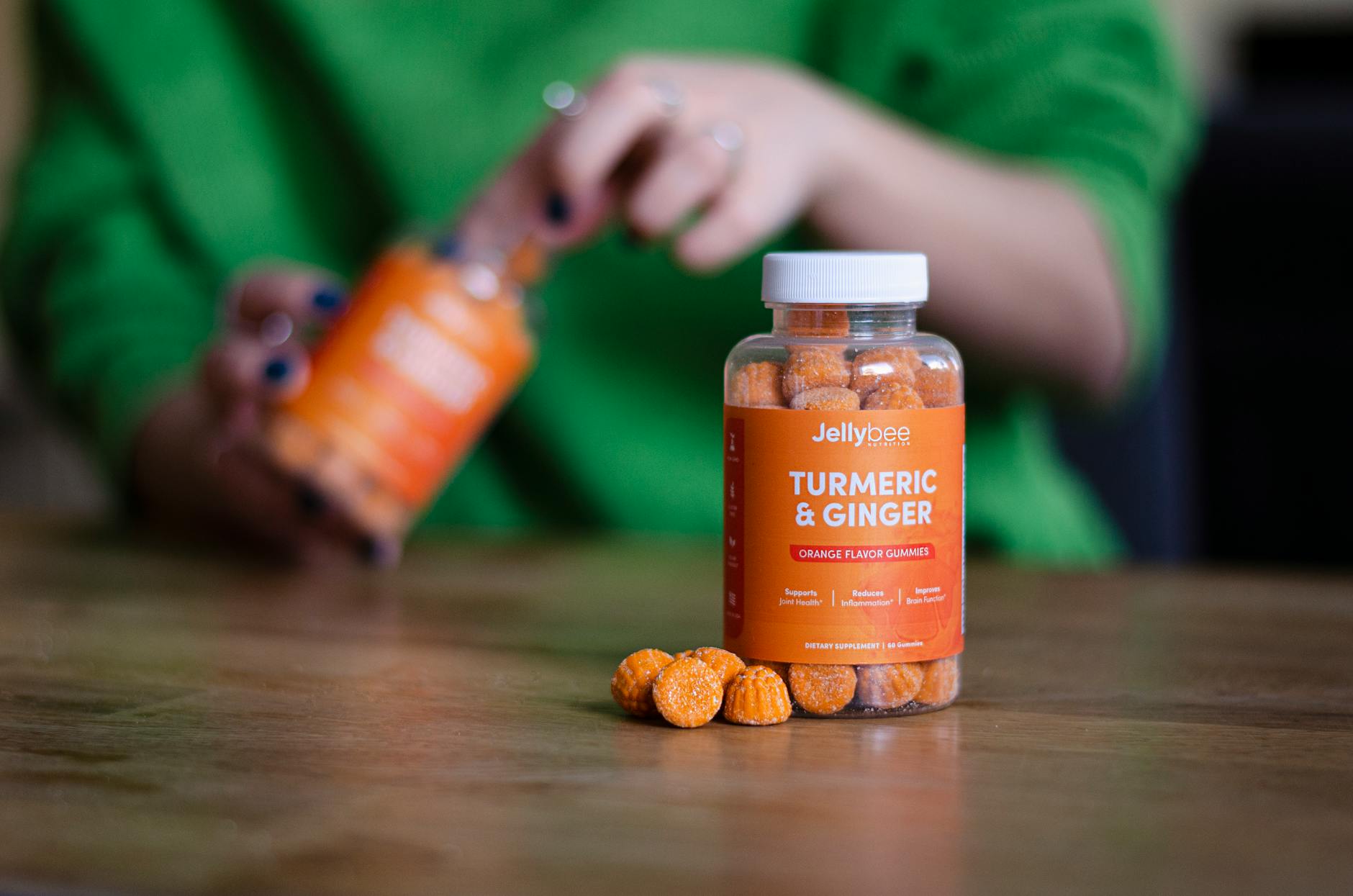
The SPORT trial, conducted at the Cleveland Clinic and published in JACC in November 2022, was designed to answer a question millions of Americans have asked their doctors: can supplements replace statins? Researchers randomized participants to receive either rosuvastatin 5 mg (a low-dose statin), placebo, or one of six popular supplements — fish oil, cinnamon, garlic, turmeric, plant sterols, or red yeast rice. The results were unambiguous. Rosuvastatin lowered LDL-C by approximately 37.9 percent. None of the six supplements achieved a statistically significant reduction compared to placebo. some of the supplement results were worse than merely ineffective. Garlic actually increased LDL by 7.8 percent, a finding that reached statistical significance.
Plant sterols decreased HDL cholesterol — the so-called “good” cholesterol — by 7.1 percent. These are not the outcomes that supplement manufacturers advertise, and they underscore an important point: “natural” does not mean “harmless” or even “neutral.” Taking supplements with the expectation of cardiovascular benefit can provide false reassurance that delays proven treatments. However, the SPORT trial has an important caveat that deserves honest acknowledgment. The red yeast rice product used in the trial may have contained lower monacolin K levels than the standardized extracts used in the positive meta-analyses. This does not invalidate the trial — it actually reinforces the central problem. If a consumer cannot reliably determine the active ingredient content of a supplement, then the supplement cannot be reliably recommended, regardless of what controlled studies using laboratory-grade preparations have shown. The SPORT trial reflects real-world supplement use more accurately than studies using carefully sourced research-grade products.
Bergamot Extract — A Different Mechanism With Emerging Promise
Beyond red yeast rice, bergamot polyphenol extract has attracted research attention as a potential LDL-lowering supplement that works through a mechanism distinct from statins. A 2019 systematic review published in Critical Reviews in Food Science and Nutrition found that bergamot extract at doses of 500 to 1,500 mg per day produced LDL reductions of 15 to 40 percent in clinical studies — a range that, at the upper end, approaches low-dose statin efficacy. What makes bergamot particularly interesting from a pharmacological standpoint is that it does not simply inhibit cholesterol synthesis the way statins and monacolin K do. Bergamot polyphenols appear to affect both cholesterol synthesis and absorption while also modulating PCSK9 expression — a protein that plays a key role in how the liver clears LDL from the bloodstream.
This multi-target mechanism has led researchers to explore bergamot as an add-on therapy. Studies examining co-administration of bergamot with rosuvastatin found synergistic lipid-lowering effects beyond what rosuvastatin achieved alone, suggesting bergamot may enhance statin therapy rather than merely duplicate it. Bergamot has received a Class IIb recommendation with level B evidence for use in statin-intolerant individuals — a category that essentially means “may be considered” based on limited data. This is far from a ringing endorsement, and the evidence base remains thin compared to statins, which have been tested in hundreds of thousands of patients across decades of rigorous trials. Bergamot needs larger, longer, and more diverse clinical trials before it can be recommended with confidence. For people who genuinely cannot tolerate any statin — not just those who experienced mild muscle aches that might resolve with a different statin or lower dose — bergamot represents a plausible option worth discussing with a physician, not a proven alternative.

Weighing the Tradeoffs Between Supplements and Prescription Statins
The appeal of supplements over prescription medications is understandable. Many people prefer what feels like a more natural approach, and statin side effects — particularly muscle pain — are a common reason patients discontinue therapy. But the tradeoff calculation is more complex than “natural versus synthetic.” Prescription statins offer dosing precision, regulatory oversight, extensive safety data, and decades of evidence showing they reduce not just LDL cholesterol but actual cardiovascular events like heart attacks and strokes. Red yeast rice, even in the best-case scenario, delivers the same drug with none of those assurances. Consider the comparison practically. A patient taking rosuvastatin 5 mg knows exactly what they are getting, can discuss dose adjustments with their physician based on lab results, and is taking a medication backed by outcome trials showing reduced cardiovascular mortality.
A patient taking red yeast rice is consuming an unknown dose of lovastatin alongside other naturally occurring compounds — including citrinin, a nephrotoxic mycotoxin found in some poorly manufactured red yeast rice products — without the monitoring infrastructure that accompanies prescription therapy. The supplement may cost more than a generic statin, is not covered by insurance, and provides no outcome data showing it prevents heart attacks or strokes. For brain health specifically, the stakes are significant. Midlife cardiovascular risk factors, including elevated LDL cholesterol, are among the strongest modifiable risk factors for dementia. Inadequate cholesterol management during the decades when intervention matters most — typically the forties through sixties — cannot be recovered later. Choosing an unreliable supplement over a proven medication during this critical window is a decision that should be made with full awareness of what is being traded away.
Safety Concerns and Regulatory Gaps in Cholesterol-Lowering Supplements
Because monacolin K is chemically identical to lovastatin, red yeast rice carries the same potential side effects as the prescription drug: muscle pain, liver enzyme elevation, and, in rare cases, rhabdomyolysis. The difference is that a patient on prescription lovastatin receives baseline liver function tests, periodic monitoring, and a physician’s guidance on drug interactions. A patient self-medicating with red yeast rice typically receives none of this oversight. The regulatory landscape adds another layer of concern. The EU’s 2022 decision to cap monacolin K at 3 mg per day in supplements was driven by reports of adverse effects that mirrored statin side effects — unsurprising, given the shared pharmacology.
In the United States, the FDA has taken a different approach, periodically issuing warnings about specific red yeast rice products that contain undisclosed levels of monacolin K but stopping short of setting concentration limits. This regulatory patchwork means that consumers in different countries face different risk profiles from the same supplement, and that product formulations may change without notice as manufacturers respond to varying regulatory pressures. The 2025 ESC/EAS cholesterol guidelines addressed supplements directly, stating that dietary supplements or vitamins without documented safety and significant LDL-C-lowering efficacy are not recommended to lower the risk of atherosclerotic cardiovascular disease. This is not an anti-supplement bias — it is a reflection of the evidence hierarchy. When a supplement contains a known drug at unpredictable doses without the safety infrastructure that drug regulation provides, the guidelines cannot recommend it as a substitute for the regulated version of the same compound.

What About Combining Supplements With Low-Dose Statins?
Rather than framing the question as supplements versus statins, some researchers have explored whether supplements can augment statin therapy, potentially allowing lower statin doses. The bergamot data is the most interesting here. Studies showing synergistic effects when bergamot was combined with rosuvastatin suggest that for patients who experience dose-dependent side effects, adding bergamot might allow a lower statin dose while maintaining LDL reduction. A patient who cannot tolerate rosuvastatin 20 mg, for instance, might achieve adequate LDL lowering on rosuvastatin 5 mg plus bergamot — though this remains a hypothesis supported by small studies, not a guideline-endorsed strategy.
Plant sterols and stanols deserve brief mention in this context. While the SPORT trial found plant sterols decreased HDL, these compounds do have evidence supporting modest LDL reductions of 5 to 15 percent when consumed at 2 grams per day, typically through fortified foods rather than capsules. They work by blocking cholesterol absorption in the gut and can complement statin therapy, which targets synthesis. However, their effect size is modest, and they are better understood as a dietary strategy than a supplement intervention.
New Cholesterol-Lowering Drugs on the Horizon
The future of LDL management may render the supplement-versus-statin debate less relevant. In February 2026, researchers at UT Southwestern published Phase 3 results for enlicitide, an experimental oral pill that reduced LDL by up to 60 percent — described as the largest reduction ever achieved with an oral drug since statins were introduced. Similarly, the combination of obicetrapib and ezetimibe reduced LDL by 48.6 percent after approximately three months in a trial reported in May 2025.
These are not supplements; they are pharmaceutical agents moving through the regulatory pipeline with full safety and efficacy data. For patients who are truly statin-intolerant — a smaller group than commonly believed, estimated at 5 to 10 percent of statin users — these emerging therapies may eventually offer alternatives with strong evidence behind them. In the meantime, the honest answer remains that no supplement matches the combination of efficacy, safety documentation, and outcome data that statins provide. The most responsible approach to cholesterol management, particularly for people concerned about long-term brain health, is to work with a physician who can prescribe proven therapies at appropriate doses and monitor their effects over time.
Conclusion
Red yeast rice remains the supplement with the strongest mechanistic basis for LDL reduction — because it literally contains a statin drug. At standardized doses of monacolin K, it can lower LDL by 15 to 34 percent, rivaling low-dose prescription statins. Bergamot extract shows promise through a different mechanism, with reductions of 15 to 40 percent in some studies, but needs more rigorous trials. The fundamental problem is not whether these supplements can work in controlled settings — the evidence suggests they can — but whether commercially available products deliver consistent, predictable doses of their active compounds. The SPORT trial demonstrated that in real-world conditions, they often do not.
For anyone managing cardiovascular risk as part of a broader strategy to protect brain health, the practical guidance is straightforward. If your physician recommends a statin, the generic versions are inexpensive, well-studied, and precisely dosed. If you are genuinely statin-intolerant and want to explore supplements, do so under medical supervision with periodic lipid panels to verify whether your chosen product is actually working. Do not assume that a supplement is lowering your LDL just because a study somewhere showed that a different formulation of the same supplement lowered LDL in a different population. Verify with lab work, and be willing to change course if the numbers do not move.
Frequently Asked Questions
Is red yeast rice safer than a prescription statin?
No. Red yeast rice contains the same active compound as lovastatin and carries the same potential side effects, including muscle pain, liver enzyme elevation, and rare cases of rhabdomyolysis. The difference is that prescription statins come with standardized dosing and medical monitoring, while red yeast rice does not.
How much monacolin K do I need for meaningful LDL reduction?
Clinical studies showing significant LDL reductions typically used doses of up to 10 mg of monacolin K per day. However, the EU capped supplement content at 3 mg per day in 2022 due to safety concerns, and many commercially available products contain variable and often lower amounts.
Can I take bergamot extract instead of a statin?
Bergamot has received only a Class IIb recommendation for statin-intolerant patients, meaning it “may be considered” based on limited evidence. It is not endorsed as a first-line alternative to statins by any major cardiovascular guideline. Discuss it with your physician if you have documented statin intolerance.
Does lowering LDL cholesterol actually help prevent dementia?
Observational evidence strongly links midlife cardiovascular risk factors, including elevated LDL, to increased dementia risk. Some studies suggest statins may have protective effects on cognition, though whether this is due to LDL lowering, anti-inflammatory properties, or other mechanisms remains an active area of research.
Did the SPORT trial prove that all supplements are useless for cholesterol?
The SPORT trial showed that six specific supplement products did not significantly lower LDL compared to placebo in that study population. It is an important finding, but the red yeast rice product used may have had lower monacolin K content than products used in positive trials. The trial highlights the variability problem rather than disproving all supplement efficacy.
Are the new cholesterol drugs like enlicitide available yet?
As of early 2026, enlicitide has completed Phase 3 trials with promising results but has not yet received regulatory approval. It and other emerging agents like obicetrapib are still working through the approval process and are not yet available by prescription.
You Might Also Like
- Why Your Doctor Hates That You’re Taking This Popular Supplement
- Berberine vs. Metformin: The Supplement Comparison That Went Viral
- Omega-3 Dosage for Heart Health: How Much Actually Moves the Needle?
For more, see National Institute on Aging.