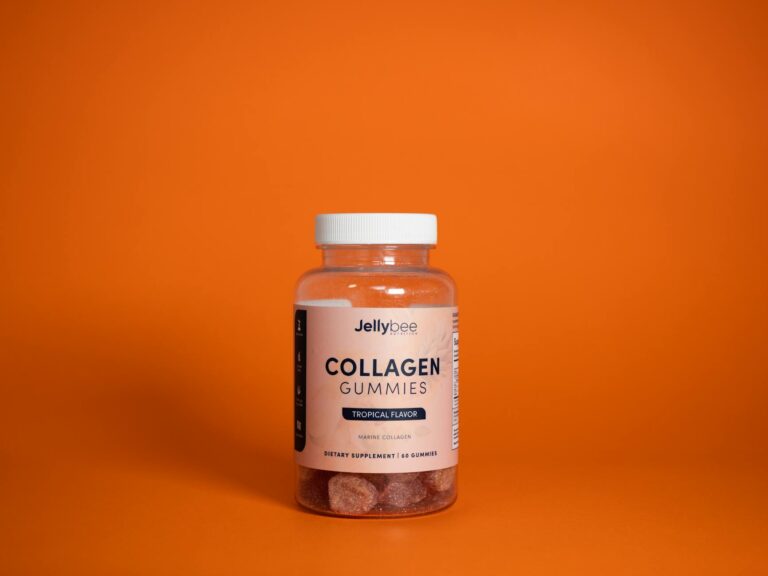
The supplement is the daily multivitamin, and the evidence against it is now staggering. A landmark 2024 study published in JAMA Network Open tracked 390,124 generally healthy American adults over more than two decades and found that daily multivitamin use was not associated with a lower risk of death. Not a slightly lower risk. Not a marginal benefit that failed to reach statistical significance. No association whatsoever.
Yet Americans continue to spend over $12 billion a year on multivitamins alone, making them the single most popular supplement category in the country. This matters enormously for anyone concerned about brain health and dementia prevention. If you or someone you love is taking a daily multivitamin hoping it will stave off cognitive decline, the research offers a blunt answer: a 12-year study of 5,947 men found multivitamins did not reduce risk of cognitive decline, including memory loss and slowed thinking. That is not a fringe finding. It aligns with a broad scientific consensus that has been building for over a decade. Johns Hopkins researchers put it plainly: “Enough is enough: stop wasting money on vitamin and mineral supplements.” What follows is a detailed look at what the research actually says, why the multivitamin industry thrives despite it, who might genuinely benefit from supplementation, and what you should be doing instead if your goal is protecting your brain as you age.
Table of Contents
- Why Do 73% of Americans Take a Supplement That Does Nothing?
- What the Largest Studies Actually Found About Multivitamins and Mortality
- Multivitamins and Cognitive Decline — What Brain Health Research Shows
- What to Do Instead of Taking a Daily Multivitamin
- The Regulatory Gap That Lets Ineffective Supplements Flourish
- When Supplementation Actually Makes Sense
- Where Brain Health Research Is Heading
- Conclusion
- Frequently Asked Questions
Why Do 73% of Americans Take a Supplement That Does Nothing?
The numbers are hard to ignore. According to the 2024 CRN Consumer Survey, conducted in August 2024 with 3,194 adults, 75% of Americans now take dietary supplements, up from the 73-74% range in prior years. Multivitamins sit at the top of that list. An American Osteopathic Association poll found that 86% of Americans take vitamins or supplements, yet only 21% have a confirmed nutritional deficiency. That gap between perceived need and actual need is where the multivitamin industry lives and profits. The appeal is understandable. A single pill that covers all your nutritional bases feels like a sensible insurance policy.
The marketing reinforces this — packaging covered in images of fresh fruits and vegetables, claims about “complete nutrition” and “daily wellness.” Consider someone in their sixties who eats reasonably well but worries about Alzheimer’s. A $15 bottle of multivitamins feels like an easy, low-cost hedge. The problem is that the science does not support the hedge. The feeling of doing something proactive is real, but the physiological benefit is not. Part of the persistence comes from confusion between deficiency treatment and general supplementation. If you have a diagnosed iron deficiency, iron supplements work. If you have scurvy, vitamin C will save your life. But extrapolating from “this vitamin cures a deficiency disease” to “this vitamin prevents chronic disease in well-nourished people” is a logical leap that decades of research have failed to validate.

What the Largest Studies Actually Found About Multivitamins and Mortality
The 2024 JAMA Network Open study deserves close attention because of its sheer scale and rigor. Conducted by investigators at the National Cancer Institute, part of the National Institutes of Health, the study drew data from three major prospective cohorts: the NIH-AARP Diet and Health Study with 327,732 participants, the Prostate, Lung, Colorectal, and Ovarian Cancer Screening Trial with 42,732 participants, and the Agricultural Health Study with 19,660 participants. Across all 390,124 people and more than 20 years of follow-up, daily multivitamin use showed no mortality benefit. This was not an isolated result. An analysis of 450,000 people cited by Johns Hopkins found that multivitamins did not reduce risk for heart disease or cancer. Studies published in the Annals of Internal Medicine found no evidence that daily multivitamins prevent or slow chronic diseases. A 2022 review from Northwestern University concluded that vitamins and supplements are “a waste of money” for most Americans.
The U.S. Preventive Services Task Force reviewed the available evidence and found insufficient grounds to recommend multivitamins for disease prevention in healthy adults. However, there is an important caveat. These studies focused on generally healthy adults. If you have a specific diagnosed deficiency, are pregnant, have a malabsorption condition, or follow a highly restricted diet, supplementation may be genuinely necessary. The findings do not mean all supplements are useless for all people. They mean that the broad, indiscriminate use of multivitamins by the general population is not supported by evidence. That distinction matters, and it is one the supplement industry has little incentive to clarify.
Multivitamins and Cognitive Decline — What Brain Health Research Shows
For readers of a dementia care site, the cognitive angle is the critical one. The hope that a daily pill might protect against Alzheimer’s disease or age-related memory loss is powerful and deeply personal. But the 12-year study of 5,947 men that specifically examined this question found no reduction in risk for cognitive decline among multivitamin users. Memory loss and slowed thinking occurred at the same rates regardless of supplementation. This finding is particularly important because of how it intersects with the fear that drives much supplement use among older adults and caregivers.
A daughter watching her mother’s memory fade might buy a bottle of multivitamins as a first, desperate step. A man in his seventies who just forgot his neighbor’s name might start a daily regimen. These are human responses to a terrifying disease, and the supplement industry profits from that fear without the evidence to justify it. What the research does suggest is that cognitive health is influenced by factors far more complex than vitamin intake: physical exercise, social engagement, sleep quality, cardiovascular health, and management of conditions like diabetes and hypertension. A multivitamin cannot substitute for a thirty-minute walk, a conversation with a friend, or properly managed blood pressure. Reducing dementia risk, to the extent current science allows, requires lifestyle changes that are harder than swallowing a pill but far more likely to matter.

What to Do Instead of Taking a Daily Multivitamin
If you are spending money on a daily multivitamin with the goal of protecting your health or your brain, the research points to better uses of those resources. The comparison is stark: $12 billion a year spent nationally on multivitamins versus the cost of the interventions that actually have evidence behind them. First, get a blood test. Only 21% of supplement users have a confirmed deficiency, which means the vast majority are supplementing blindly. A simple blood panel can reveal whether you actually need vitamin D, B12, iron, or folate. Targeted supplementation based on a real deficiency is an entirely different proposition than a daily multivitamin, and it is one the science supports. Second, invest in food rather than pills.
The nutrients in whole foods come packaged with fiber, phytochemicals, and cofactors that affect absorption and utilization in ways a compressed tablet cannot replicate. A diet rich in leafy greens, fatty fish, nuts, and berries has more evidence behind it for brain health than any supplement on the market. The tradeoff is convenience versus efficacy. A multivitamin takes five seconds. Cooking a meal with salmon and spinach takes forty-five minutes. But one of those has evidence behind it and the other does not. For caregivers managing someone else’s nutrition, this is especially relevant — the effort of improving actual food intake, even modestly, is more likely to help than adding a supplement to a tray of medications.
The Regulatory Gap That Lets Ineffective Supplements Flourish
One reason multivitamins maintain their market dominance despite the evidence is the regulatory environment in the United States. Dietary supplements do not need to prove efficacy before reaching store shelves. Unlike pharmaceutical drugs, which must undergo rigorous clinical trials and FDA approval, supplements operate under the 1994 Dietary Supplement Health and Education Act, which places the burden of proof on the FDA to demonstrate a product is unsafe rather than on the manufacturer to demonstrate it works. This creates an environment where marketing can outrun science almost indefinitely. A multivitamin label can say “supports immune health” with a small asterisk leading to a disclaimer that the FDA has not evaluated the claim. Most consumers never read the disclaimer.
They see the claim, they see the vitamin aisle’s reassuring packaging, and they buy. The Northwestern University researchers who called supplements “a waste of money” were not making a casual observation. They were responding to a system in which billions of dollars flow toward products that have repeatedly failed to demonstrate benefit in large, well-designed studies. The warning here is not that all supplements are scams. It is that the absence of regulatory requirements for efficacy means you cannot trust the market to sort good products from useless ones. The only reliable guide is the clinical evidence, and for multivitamins taken by generally healthy adults, that evidence is consistently negative.

When Supplementation Actually Makes Sense
There are populations for whom specific supplementation is well-supported. Pregnant women benefit from folic acid to prevent neural tube defects. Adults over 65 frequently have difficulty absorbing B12 from food and may need supplementation. People with Crohn’s disease, celiac disease, or a history of gastric bypass surgery often cannot absorb nutrients normally.
Strict vegans need B12 supplementation because the vitamin is not available from plant sources. The key distinction is between targeted supplementation for a diagnosed or well-established need and blanket multivitamin use as a general wellness strategy. A doctor who prescribes vitamin D after a blood test showing deficiency is practicing evidence-based medicine. A consumer who buys a multivitamin because it “can’t hurt” is making an assumption the data does not support — and in some cases, excessive intake of certain fat-soluble vitamins can cause harm.
Where Brain Health Research Is Heading
The failure of multivitamins to protect cognition has not ended the search for nutritional interventions that might help. Researchers are now looking at more targeted approaches: specific nutrients like omega-3 fatty acids, the role of gut microbiome health in brain function, and the interaction between diet patterns rather than individual nutrients and cognitive outcomes. The MIND diet, which combines elements of the Mediterranean and DASH diets, has shown some promise in observational studies, though definitive clinical trial results are still being gathered. What is becoming clearer is that the old model of isolating single nutrients and putting them in pills may have been the wrong framework all along.
The brain does not respond to nutrition the way a car responds to gasoline. It responds to complex, interconnected patterns of diet, activity, sleep, and social engagement. The next decade of research will likely move further from the supplement aisle and closer to the kitchen, the walking trail, and the community center. For anyone trying to protect their brain or care for someone whose cognition is declining, that shift in focus is the most important takeaway from the multivitamin debate.
Conclusion
The evidence is not ambiguous. Across studies involving hundreds of thousands of people followed for decades, daily multivitamin use has not been shown to reduce the risk of death, prevent heart disease or cancer, or slow cognitive decline. Americans spend $12 billion a year on these supplements, and the scientific consensus from institutions including the NIH, Johns Hopkins, and Northwestern University is that the money is largely wasted for healthy adults without diagnosed deficiencies. The U.S. Preventive Services Task Force does not recommend them for disease prevention.
The data is in, and it has been in for years. If you are caring for someone with dementia or trying to reduce your own risk, direct your resources toward what the evidence actually supports: a nutrient-rich diet built around whole foods, regular physical activity, good sleep, social connection, and management of cardiovascular risk factors. Talk to a doctor about blood work before starting any supplement. Targeted supplementation for a confirmed deficiency is reasonable medicine. A daily multivitamin as a hedge against aging is not.
Frequently Asked Questions
Are multivitamins harmful, or just ineffective?
For most healthy adults, multivitamins are not harmful at standard doses. The concern is primarily about wasted money and the false sense of security they provide, which may discourage people from making lifestyle changes that would actually help. However, excessive intake of fat-soluble vitamins like A and E can cause toxicity over time.
My doctor recommended a specific vitamin. Should I stop taking it?
No. There is a significant difference between a doctor prescribing a specific nutrient based on a blood test or medical condition and self-prescribing a daily multivitamin. If your doctor identified a deficiency, follow their guidance. The research against multivitamins applies to general use by healthy adults without diagnosed deficiencies.
Do multivitamins help prevent Alzheimer’s or dementia?
The current evidence says no. A 12-year study of nearly 6,000 men found that multivitamins did not reduce the risk of cognitive decline, including memory loss and slowed thinking. No major study has demonstrated a protective effect of multivitamins against dementia.
If not multivitamins, what supplements should I take for brain health?
Before taking any supplement, get blood work done to identify actual deficiencies. Vitamin D and B12 deficiencies are common in older adults and can affect cognition when severe. Beyond that, the strongest evidence for brain health protection comes from diet patterns, exercise, and cardiovascular health management rather than from any supplement.
Why do so many people still take multivitamins if the evidence is this clear?
Several factors: decades of marketing, a regulatory system that does not require supplements to prove efficacy, the intuitive appeal of nutritional “insurance,” and the fact that negative findings receive less media coverage than positive ones. The supplement industry also funds its own research, which can create confusion about the overall evidence base.