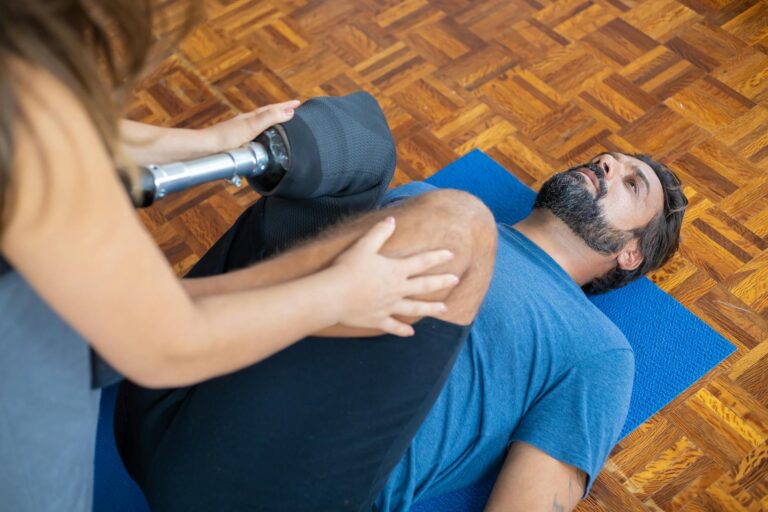
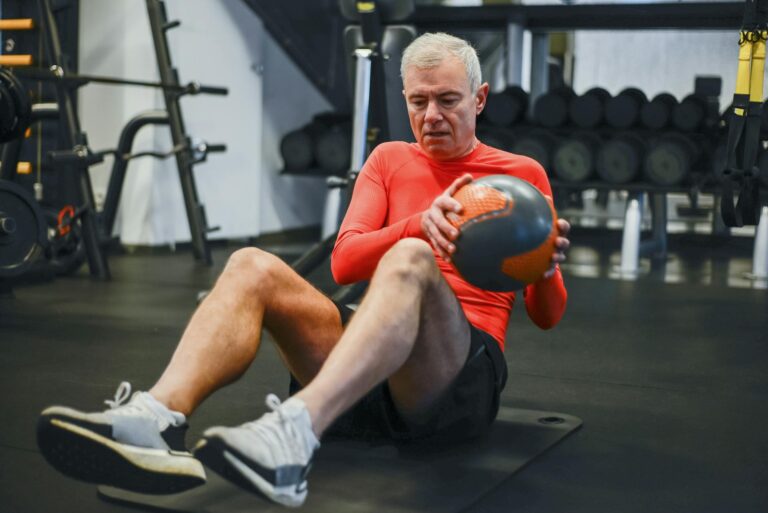
Doctors regularly recommend several specific stretches to manage sacroiliac joint (SI joint) pain, with the most commonly suggested being the knee-to-chest stretch, hamstring stretch, trunk rotation, and stretches targeting the iliopsoas and piriformis muscles. These stretches work because they reduce tension in the muscles and soft tissues attached to the sacroiliac joint—the area where your lower spine connects to your pelvis. For someone experiencing SI joint pain while walking or sitting, a simple knee-to-chest stretch held for 30 seconds can provide relief within days of consistent practice.
The good news is that conservative treatment combining stretching with stabilization exercises and professional guidance is effective for most people. Rather than requiring surgery or prolonged medication, SI joint pain typically responds well to a multimodal approach that includes patient education, focused stretching, pelvic girdle stabilization exercises, and sometimes manipulative therapy. This article walks you through the specific stretches doctors recommend, how to perform them safely, why they work, and how to integrate them into a comprehensive treatment plan.
Table of Contents
- What Are the Most Effective Stretches Doctors Recommend for SI Joint Pain?
- How Do Stretches Address the Root Cause of SI Joint Pain?
- Building a Stretch Routine That Works for Your SI Joint
- Combining Stretches with Other Treatments for Maximum Benefit
- Common Mistakes People Make with SI Joint Stretching
- How Professional Guidance Shapes Your Stretching Program
- The Long-Term Outlook for SI Joint Pain Management
- Conclusion
What Are the Most Effective Stretches Doctors Recommend for SI Joint Pain?
The knee-to-chest stretch is the most frequently recommended stretch across major medical institutions including Kaiser Permanente and Healthline. To perform it correctly, lie on your back, bring one knee toward your chest, and hold the back of your thigh (not your shin, which can strain the knee) for 30 seconds. Repeat on both sides, and you can do this stretch 2-3 times daily. Many patients find this stretch provides immediate relief because it gently lengthens the muscles around the joint and reduces compression. The hamstring stretch is equally important but requires more setup. Sit near a doorway with the leg you want to stretch extended in front of you.
Lie on your back with the other leg extended through the doorway. slowly slide the affected leg up the wall to straighten your knee gradually—this prevents overstretching and allows the hamstring to lengthen safely. Unlike aggressive hamstring stretches that might worsen SI joint symptoms, this doorway variation provides gentle, controlled lengthening that works well for the sacroiliac region. The trunk rotation, sometimes called the half lord of the fishes pose in yoga, involves sitting with both legs stretched out, bending one knee, and crossing your opposite elbow over the bent knee while gently twisting your torso. Hold this position for 30 seconds to 1 minute. This stretch is particularly valuable because it addresses rotational tension, which is often a component of SI joint dysfunction. Many people experience relief after just one session with this stretch, though consistency is key for lasting improvement.

How Do Stretches Address the Root Cause of SI Joint Pain?
Stretches work for SI joint pain because they target the muscles directly attached to the sacroiliac joint. The iliopsoas muscle (which runs from your hip to your lower spine) and the piriformis muscle (located deep in your buttock) both attach to the ilium and sacrum. When these muscles become tight or shortened—often from prolonged sitting, poor posture, or muscle imbalances—they pull on the sacroiliac joint, creating pain and dysfunction. By regularly stretching these muscles, you reduce the tension pulling on the joint itself. However, it’s important to understand that stretching alone is not a complete solution. Research shows that while stretching is necessary, combining stretches with pelvic girdle stabilization exercises and, in some cases, manipulative therapy produces better long-term results.
Very little published clinical evidence exists for any one specific treatment technique in isolation, which is why doctors emphasize a multimodal approach. If you stretch but don’t strengthen the stabilizing muscles around your pelvis, you may experience temporary relief followed by recurring pain. A critical warning: stretching too vigorously or forcing yourself deeper into a stretch can actually tighten the muscles and worsen symptoms. SI joint pain requires gentle, consistent stretching rather than aggressive flexibility work. If you find yourself gritting your teeth through a stretch, you’re going too far. The goal is to feel a mild pull or sensation, not pain—this distinction is crucial for avoiding setbacks.
Building a Stretch Routine That Works for Your SI Joint
Rather than jumping into an elaborate stretching program, doctors recommend starting with 3-4 stretches and 2-3 strength exercises, focusing on consistency and gentle movement rather than intensity. A practical daily routine might include the knee-to-chest stretch (30 seconds each side), the hamstring stretch (30 seconds each side), and the trunk rotation (30-60 seconds each side), performed once or twice daily. This modest starting point allows your body to adapt without overwhelming the joint or surrounding muscles. The timing of your stretching matters as much as the stretches themselves. Many people find that gentle stretching after a warm bath or light activity (like a 10-minute walk) works better than stretching cold muscles.
Cold muscles resist lengthening and may not respond to the stretch. Additionally, holding stretches for the recommended 30 seconds to 1 minute gives the nervous system time to signal the muscle to relax—shorter holds often don’t achieve this effect, while longer holds can risk overstretching. Consistency trumps intensity in SI joint management. A person who stretches gently for 5-10 minutes daily will typically see better results than someone who stretches aggressively once a week. This is because SI joint pain involves not just muscle tightness but also joint proprioception (the joint’s awareness of its position) and stability, both of which improve with regular, gentle practice.

Combining Stretches with Other Treatments for Maximum Benefit
Stretching is most effective when combined with other approaches. Research shows that manipulation combined with exercise produces better long-term results than exercise alone, and that a combination of SI joint manipulation, pelvic girdle exercises, and kinesio tape was effective for reducing both pain and disability. This means that while your stretching routine is important, it’s typically just one part of a larger treatment plan. Physical therapy exercise programs that include strengthening work alongside stretching show intermediate and long-term benefits.
A typical physical therapy approach might include your stretching routine plus exercises like glute bridges (to strengthen hip muscles), clamshells (to stabilize the hip), and pelvic tilts. A comparison: stretching alone might reduce pain for 2-3 hours, but stretching combined with strengthening and stabilization can produce lasting relief that extends throughout the day. If your SI joint pain isn’t improving with stretching alone after 2-3 weeks, this is not a sign that stretching doesn’t work—it’s a sign that stretching needs to be part of a larger strategy. This is where professional guidance becomes valuable. A physical therapist can assess whether your pain stems primarily from muscle tightness (where stretching excels) or from joint instability (where strengthening becomes more important) or from both, and can adjust your program accordingly.
Common Mistakes People Make with SI Joint Stretching
One of the most common mistakes is stretching the wrong muscles. People sometimes assume SI joint pain comes from tight hamstrings and spend excessive time stretching them, when the real culprit might be a tight iliopsoas or piriformis. Without assessment from a healthcare provider, you might be stretching muscles that aren’t actually contributing to your pain, missing the real issue. This is why the stretches recommended by doctors—particularly the iliopsoas and piriformis-focused stretches—target the muscles most commonly implicated in SI joint dysfunction. Another pitfall is inconsistency. Many people stretch intensively for three days, feel better, and then stop.
When pain returns a week later, they conclude that stretching doesn’t work. In reality, SI joint structures take weeks to fully adapt to a stretching program, and consistency matters enormously. Even if you feel better after a few days, continuing your routine prevents the muscles from tightening again. A good benchmark is to commit to stretching for at least 4 weeks before evaluating whether your program is working. A third mistake is failing to address movement patterns. You might stretch perfectly every day but then sit at a desk for eight hours in a way that aggravates your SI joint, undoing your progress. SI joint pain management includes not just stretches but also awareness of how you sit, stand, bend, and move throughout your day.

How Professional Guidance Shapes Your Stretching Program
While this article provides the stretches doctors recommend, professional assessment is valuable because not all SI joint pain is identical. A physical therapist can determine whether your pain is due to muscle tightness (which stretching addresses), joint hypermobility (which requires stability work), postural dysfunction (which requires movement retraining), or a combination. They can also identify whether you’re performing stretches correctly—even small form errors can reduce effectiveness or cause injury.
Professional guidance also helps you progress appropriately. Once your initial stretches become easy, a therapist can introduce more challenging variations or additional stretches that specifically target your remaining problem areas. The transition from basic stretching to a more advanced routine should be gradual and informed, not arbitrary.
The Long-Term Outlook for SI Joint Pain Management
SI joint pain is rarely a permanent condition when managed with a multimodal approach. Most people experience significant improvement within 4-12 weeks of consistent stretching, strengthening, and stabilization work. The fact that doctors emphasize conservative treatment first—rather than immediately suggesting surgery or injections—speaks to the effectiveness of stretching and exercise when done correctly.
Looking forward, maintaining your stretching routine even after pain resolves is the best prevention strategy. Many people find that dedicating 5-10 minutes daily to their maintenance routine prevents pain from returning. This isn’t indefinite—some people eventually need less frequent stretching as their muscles remain lengthened—but consistency in the early months establishes the habit and prevents regression.
Conclusion
The stretches doctors recommend for SI joint pain—the knee-to-chest stretch, hamstring stretch, trunk rotation, and stretches targeting the iliopsoas and piriformis—directly address the muscle tightness that often drives sacroiliac joint dysfunction. These stretches are accessible, require no equipment, and can be performed at home, making them practical for anyone experiencing SI joint pain. The key is performing them gently, consistently, and as part of a multimodal approach that includes strengthening and stabilization work.
If you’re experiencing SI joint pain, starting with a basic stretching routine of 3-4 stretches performed once or twice daily is the first step toward recovery. If pain persists beyond 2-3 weeks or worsens, professional evaluation from a physical therapist or physician is important to ensure you’re addressing the actual cause of your pain and to integrate stretching with other necessary treatments. SI joint pain responds well to conservative care when done correctly, and the stretches in this article are the foundational tool doctors use to manage this common condition.