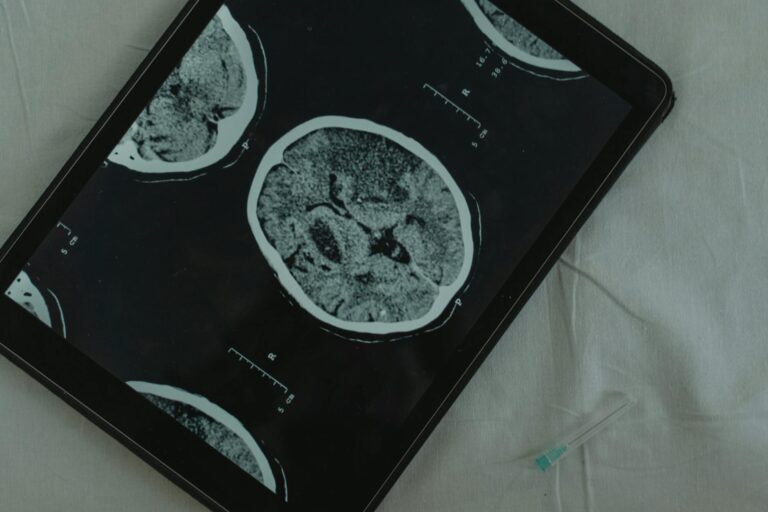
Handwritten letters hold a secret power that goes far beyond their sentimental value: they significantly boost memory and cognitive function. Unlike typing or digital communication, the act of writing by hand engages multiple brain regions simultaneously, creating a rich neurological experience that enhances how well we remember and process information.
When you write a letter by hand, your brain is involved in more than just forming words. It coordinates complex motor skills with visual perception and sensory feedback. This multisensory engagement helps to forge stronger memory pathways because your mind isn’t just passively recording information—it’s actively interpreting and encoding it. The slower pace of handwriting compared to typing forces your brain to process ideas more deeply before committing them to paper, which improves comprehension and long-term retention.
This deeper processing happens because handwriting requires summarizing thoughts rather than transcribing verbatim as often happens when typing. When composing a handwritten letter, you naturally distill your feelings or messages into concise expressions, which means you’re engaging higher-level cognitive functions like analysis and synthesis. This mental effort strengthens neural connections related to memory formation.
Moreover, the tactile sensation of pen on paper creates muscle memory that further anchors the content in your mind. The physical act of shaping letters involves fine motor control that activates areas of the brain responsible for learning and recall—something keyboards cannot replicate fully since typing is less physically nuanced.
Beyond pure cognition, handwritten letters also foster emotional clarity by slowing down thought processes. Writing manually encourages reflection; it gives space for deliberate thinking rather than rapid-fire digital input where distractions abound. This focused attention not only aids memory but can also reduce stress levels associated with multitasking on electronic devices.
The benefits extend across age groups but are especially crucial during childhood development when handwriting supports literacy foundations such as letter recognition and motor skill refinement—skills essential for academic success later on.
In essence, every handwritten letter acts like a mini workout for your brain’s memory circuits while nurturing creativity through its organic flow of ideas on paper—a synergy rarely matched by digital communication methods today.
So next time you pick up a pen instead of tapping keys, know that you’re not just sending words—you’re strengthening your mind’s ability to remember those words vividly long after they’ve been written down.