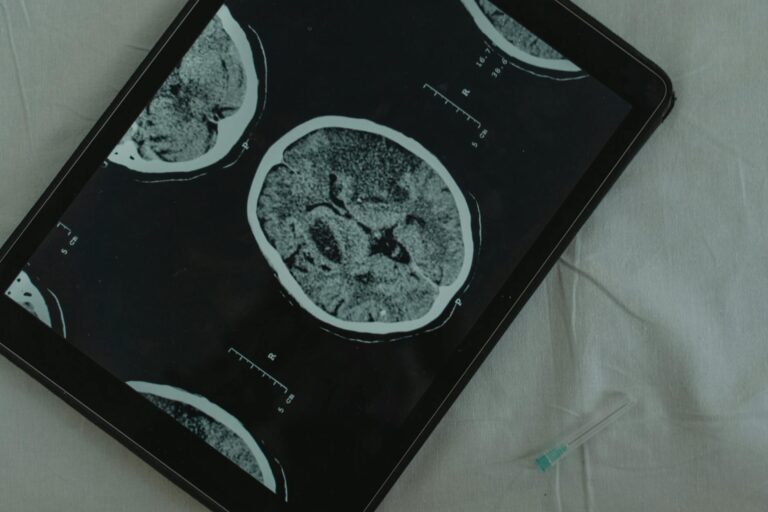
The Potential of Precision Probiotics for Dementia
Dementia, a condition characterized by cognitive decline and memory loss, affects millions worldwide. As the global population ages, the prevalence of dementia is expected to rise significantly. Current treatments focus primarily on managing symptoms rather than halting disease progression. However, recent research suggests that precision probiotics could offer a promising new approach to addressing dementia, particularly through their impact on the gut-brain axis.
### The Gut-Brain Connection
The gut and the brain are closely linked through the gut-brain axis, a complex network of communication pathways. This connection allows the gut microbiome, composed of trillions of microorganisms, to influence brain health. Research has shown that an imbalance in the gut microbiome, known as dysbiosis, is associated with cognitive impairments and neurodegenerative diseases like Alzheimer’s, a leading cause of dementia.
### Precision Probiotics
Precision probiotics involve using specific strains of beneficial bacteria to target particular health issues. In the context of dementia, certain probiotic strains have been identified for their potential to improve cognitive function and reduce neuroinflammation. For example, *Bifidobacterium breve* MCC1274, developed by Morinaga Milk, has been shown to enhance cognitive function in older adults with mild cognitive impairment. This strain works by reducing brain atrophy and improving memory, making it a promising candidate for dementia prevention and treatment.
### Kefir: A Probiotic-Rich Food
Kefir, a fermented milk drink, is rich in probiotics and has been studied for its potential benefits in reducing neuroinflammation and improving cognitive function. Research indicates that kefir can modify the gut microbiome, decrease brain inflammation, and support brain health by modulating key signaling pathways involved in neuronal survival. While kefir shows promise, its effectiveness can vary depending on the microbial composition and production methods, highlighting the need for standardized formulations.
### Future Directions
While precision probiotics and probiotic-rich foods like kefir offer hope for dementia management, further research is necessary. Large-scale clinical trials are needed to validate their therapeutic potential and determine optimal dosages. Additionally, understanding how different probiotic strains interact with other treatments will be crucial for integrating them into comprehensive care plans.
In conclusion, precision probiotics represent a promising area of research in the fight against dementia. By targeting the gut-brain axis and reducing neuroinflammation, these tailored probiotic interventions could play a significant role in preventing cognitive decline and improving the quality of life for those affected by dementia. As research continues to uncover the potential of precision probiotics, they may become an essential component of future dementia treatment strategies.