For most people, no — eating spinach in normal dietary amounts is not considered harmful to the brain. The nutritional benefits of spinach, which include iron, folate, magnesium, and vitamins A, K, and C, generally outweigh the risks posed by its high oxalate content. That said, the relationship between oxalates and brain health is not entirely settled, and a small but notable body of research has raised questions worth paying attention to, particularly for those already managing cognitive decline or neurodegenerative conditions. The concern stems in part from a 2020 study published in the Journal of Alzheimer’s Disease, which found calcium oxalate dihydrate crystals in brain tissue from donors with Alzheimer’s disease.
That finding, while preliminary, opened a conversation about whether oxalates — compounds found at especially high concentrations in spinach — could play a role in neuroinflammation. Spinach contains between 647 and 1,287 mg of oxalic acid per 100 grams depending on the variety, making it one of the most oxalate-dense foods in the average diet. A single half-cup of cooked spinach delivers roughly 755 mg of oxalates. This article examines what science actually says about oxalates and the brain, where the real risks lie, and how to reduce oxalate exposure without abandoning nutrient-rich greens altogether. We will also separate the credible research from the wellness influencer claims that have muddied this conversation in recent years.
Table of Contents
- What Are Oxalates, and Why Are They Linked to Brain Health Concerns?
- Spinach and Oxalate Load — How Much Is Too Much?
- What the Alzheimer’s Crystal Research Actually Found
- How to Reduce Oxalate in Spinach Without Losing the Nutrition
- Separating Credible Research from Wellness Misinformation
- Who Should Actually Limit Oxalate Intake?
- Where the Research Goes from Here
- Conclusion
- Frequently Asked Questions
What Are Oxalates, and Why Are They Linked to Brain Health Concerns?
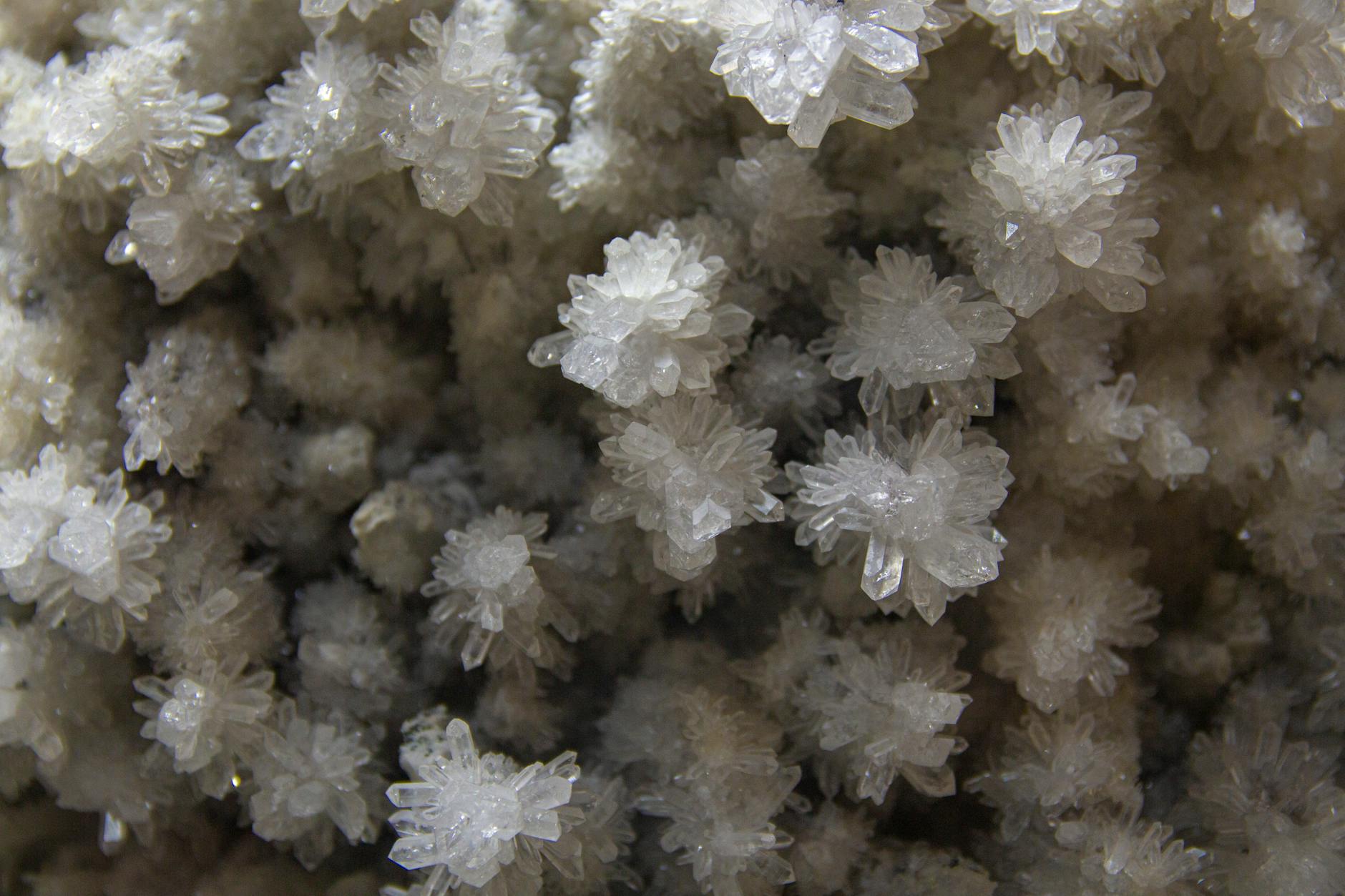
Oxalates, or oxalic acid compounds, are naturally occurring molecules found in many plant foods. They bind with minerals like calcium and iron in the body, forming crystals that are typically filtered out through the kidneys. This is why the most well-documented health risk of high oxalate intake is kidney stone formation — specifically calcium oxalate stones, which account for the majority of kidney stones in the United States. For decades, that kidney connection was the beginning and end of the oxalate conversation in clinical nutrition. The brain health angle is newer and far less established. The Heller et al. study from 2020 analyzed 12 entorhinal cortex specimens from Alzheimer’s disease donors and identified 12 calcium oxalate dihydrate crystals among 61 total crystals detected in the tissue.
What makes this finding significant is that calcium oxalate dihydrate crystals are known to activate the NLRP3 inflammasome, a component of the innate immune system that triggers the release of interleukin-1 beta (IL-1β) and other inflammatory cytokines. This inflammatory cascade can induce pyroptosis, a form of programmed cell death that destroys nearby neurons. In other words, if these crystals are forming in brain tissue, they may be contributing to the kind of chronic neuroinflammation that characterizes Alzheimer’s disease. However, finding crystals in diseased tissue does not prove that dietary oxalate put them there. The study did not establish a causal link between eating high-oxalate foods and the formation of brain crystals. It is possible that the crystals are a byproduct of the disease process itself, or that they result from metabolic dysfunction unrelated to diet. This distinction matters enormously, and it is where much of the online conversation around oxalates and brain health goes off the rails.

Spinach and Oxalate Load — How Much Is Too Much?
Spinach sits at the top of the oxalate scale among commonly eaten vegetables. According to USDA research, its oxalic acid content ranges from 647 to 1,287 mg per 100 grams, depending on the cultivar. To put that in practical terms, someone eating a large spinach salad or adding a generous handful to a daily smoothie could easily consume over 1,000 mg of oxalates in a single sitting. Other high-oxalate foods include beet greens, Swiss chard, rhubarb, peanuts, almonds, chocolate, and soy products, but spinach remains the most concentrated common source. For healthy individuals with normal kidney function, the body handles moderate oxalate intake without obvious problems. The gut microbiome includes bacteria like Oxalobacter formigenes that help break down oxalates before they are absorbed.
Calcium in the diet also binds with oxalates in the digestive tract, preventing absorption. The trouble starts when oxalate intake is consistently high, when gut health is compromised, or when kidney function is impaired — situations where the body’s ability to clear oxalates diminishes and systemic levels may rise. There is no official recommended upper limit for dietary oxalate intake, which complicates the picture. Some researchers and clinicians who work with kidney stone patients suggest keeping intake below 40 to 50 mg per day for high-risk individuals, a threshold that a single serving of cooked spinach would exceed by more than tenfold. For someone caring for a family member with dementia, the question becomes whether this same caution should extend to brain health — and at this point, the science does not support that leap. If your loved one enjoys spinach, there is no clinical reason to eliminate it from their diet based on current evidence, though preparation methods can meaningfully reduce oxalate exposure.
What the Alzheimer’s Crystal Research Actually Found
The Heller et al. study deserves a closer look because it is the most direct piece of evidence connecting oxalate crystals to Alzheimer’s pathology. The researchers used scanning electron microscopy and energy-dispersive X-ray spectroscopy to examine brain tissue from the entorhinal cortex, one of the first regions affected in Alzheimer’s disease. Among the 61 crystals they identified across 12 specimens, 12 were confirmed as calcium oxalate dihydrate. The remainder included other mineral deposits, which is not unusual in aging brain tissue. The reason calcium oxalate crystals drew particular attention is their known ability to activate the NLRP3 inflammasome.
This pathway is already implicated in Alzheimer’s disease research more broadly. Amyloid-beta plaques, the hallmark of Alzheimer’s, also activate NLRP3, leading to the same inflammatory cascade — IL-1β release, microglial activation, and neuronal damage. The possibility that oxalate crystals could be an additional, independent trigger for this same pathway is what makes the finding scientifically interesting. But the study was small, observational, and did not include controls that would allow researchers to determine whether oxalate crystals are more common in Alzheimer’s brains than in healthy ones. It also could not establish whether the crystals arrived from dietary sources, were produced endogenously through metabolic processes, or accumulated due to impaired clearance mechanisms associated with aging and disease. Peer-reviewed commentary on the study has been cautious, and no follow-up clinical trials have tested whether reducing dietary oxalate has any effect on Alzheimer’s progression or risk.
How to Reduce Oxalate in Spinach Without Losing the Nutrition
If you or someone you care for wants to continue eating spinach while minimizing oxalate exposure, preparation method matters significantly. Boiling spinach and discarding the cooking water can remove over 80 percent of its oxalate content, according to research published in the Journal of Food Science and Technology. This is substantially more effective than steaming or sautéing, which retain most of the oxalate because there is no water to leach it into. The tradeoff is that boiling also removes some water-soluble vitamins, particularly vitamin C and some B vitamins, though fat-soluble vitamins like A and K are largely retained. Pairing high-oxalate foods with calcium-rich dairy is another well-supported strategy.
A study indexed in PubMed found that consuming calcium alongside oxalate-containing foods significantly reduces oxalate bioavailability by binding it in the gut before it can be absorbed into the bloodstream. In practical terms, this means that a spinach dish served with sour cream, cheese, or a glass of milk results in less oxalate absorption than the same dish eaten on its own. For caregivers preparing meals for someone with cognitive concerns, this is an easy adjustment that does not require removing spinach from the menu entirely. Rotating greens is a third approach that nutritionists often recommend. Instead of relying on spinach as a daily staple, alternating with lower-oxalate greens like romaine lettuce, arugula, or bok choy reduces cumulative oxalate exposure while maintaining a diverse nutrient profile. Kale, often cited as a spinach alternative, does contain oxalates but at substantially lower levels — roughly 20 to 30 mg per cup of raw kale compared to spinach’s 600-plus.
Separating Credible Research from Wellness Misinformation
The internet is full of claims that oxalates cause brain lesions, accelerate aging, and produce widespread neurotoxicity. These assertions are not supported by peer-reviewed research in the context of normal dietary consumption. According to an analysis published by foodfacts.org, many of the most alarming claims about plant toxins, including oxalates, originate with wellness influencers and are amplified through social media, not through scientific channels. Medical News Today’s review of the evidence similarly concludes that the primary documented health risk of dietary oxalate is kidney stone formation, not neurological damage. That said, there are legitimate neurological effects associated with oxalate in specific, non-dietary contexts. The chemotherapy drug oxaliplatin, for example, causes neurotoxicity through its metabolite oxalate, which chelates calcium and interferes with voltage-gated sodium channels.
Up to 75 percent of patients treated with oxaliplatin develop chronic peripheral neuropathy. This is sometimes conflated with dietary oxalate risk in online discussions, but the mechanism and dose are entirely different — oxaliplatin delivers oxalate directly into the bloodstream at pharmacological concentrations, a scenario that bears no resemblance to eating a salad. Some individuals do report symptoms like brain fog, difficulty concentrating, and fatigue that they attribute to high-oxalate diets. While these reports are worth acknowledging, they have not been validated in controlled studies. It is possible that some people are more sensitive to oxalates due to gut dysbiosis, genetic factors, or underlying conditions, but self-diagnosis based on symptom patterns is unreliable. Anyone experiencing persistent cognitive symptoms should consult a physician rather than eliminating food groups based on online advice.

Who Should Actually Limit Oxalate Intake?
There are populations for whom oxalate restriction is medically indicated, even if brain health is not the primary concern. People with a history of calcium oxalate kidney stones are typically advised to reduce high-oxalate foods and increase fluid intake. Those with chronic kidney disease may need tighter dietary control because their kidneys are less efficient at clearing oxalate from the blood.
And individuals with primary hyperoxaluria, a rare genetic condition that causes the body to overproduce oxalate, face serious health risks including kidney failure and systemic oxalosis, where oxalate crystals deposit in tissues throughout the body, including potentially the brain. For caregivers managing someone with both kidney disease and dementia — a combination that is not uncommon in older adults — discussing oxalate intake with a nephrologist or registered dietitian is a reasonable step. But for the general population, and even for most people living with Alzheimer’s or other dementias, there is no clinical guideline recommending oxalate restriction for brain health purposes.
Where the Research Goes from Here
The Heller et al. finding has opened a door, but no one has walked through it yet. For oxalate crystals to be meaningfully implicated in Alzheimer’s disease, researchers would need to establish several things: whether these crystals are more prevalent in Alzheimer’s brains than in age-matched healthy controls, whether they originate from dietary sources or endogenous metabolism, and whether reducing oxalate exposure has any measurable effect on disease progression. Each of these questions would require years of study.
What seems more likely in the near term is that the NLRP3 inflammasome pathway will continue to receive attention in Alzheimer’s research, regardless of whether oxalate crystals turn out to be a significant trigger. Anti-inflammatory interventions targeting this pathway are already in clinical development. For families and caregivers, the practical takeaway remains the same: focus on an overall anti-inflammatory diet pattern rich in fruits, vegetables, lean proteins, and omega-3 fatty acids. If spinach is part of that pattern, there is no compelling reason to remove it.
Conclusion
The question of whether spinach can harm the brain does not have a simple yes or no answer, but it leans heavily toward no for the vast majority of people. The 2020 discovery of calcium oxalate crystals in Alzheimer’s brain tissue is a genuinely interesting finding that warrants further investigation, but it is preliminary and does not demonstrate that eating spinach or other high-oxalate foods contributes to dementia. The primary health risk of excessive oxalate intake remains kidney stones, and the nutritional benefits of spinach — its folate, magnesium, and vitamin content — continue to support brain health rather than undermine it.
For those who want to be cautious, boiling spinach and discarding the water removes over 80 percent of oxalates, and pairing it with calcium-rich foods further reduces absorption. Rotating among different greens is a sensible practice for any number of nutritional reasons. But eliminating spinach from the diet of someone with dementia based on current evidence would mean sacrificing well-documented nutritional benefits in response to an unproven risk. As always, dietary decisions for people with cognitive conditions should be made in consultation with their healthcare team, not based on social media trends.
Frequently Asked Questions
Does spinach cause Alzheimer’s disease?
No. While calcium oxalate crystals have been found in Alzheimer’s brain tissue, no study has demonstrated that eating spinach or other high-oxalate foods causes or accelerates Alzheimer’s disease. The crystal finding from Heller et al. (2020) is preliminary and does not establish a dietary link.
How much oxalate is in a typical serving of spinach?
A half-cup of cooked spinach contains approximately 755 mg of oxalates. Raw spinach contains between 647 and 1,287 mg per 100 grams depending on the variety. This makes spinach one of the most oxalate-dense foods commonly eaten.
Can cooking spinach reduce its oxalate content?
Yes. Boiling spinach and discarding the cooking water removes over 80 percent of its oxalate content. Steaming and sautéing are less effective because the oxalates are not leached into discarded water.
Should people with dementia avoid spinach?
There is no clinical guideline recommending that people with dementia avoid spinach. The nutritional benefits of spinach, including folate and magnesium, are generally considered supportive of brain health. People with concurrent kidney disease should discuss oxalate intake with their doctor.
What other foods are high in oxalates?
Besides spinach, high-oxalate foods include beet greens, Swiss chard, rhubarb, peanuts, almonds, chocolate, and soy products. Kale contains significantly less oxalate than spinach and is often recommended as a lower-oxalate alternative.
Is the oxaliplatin-brain damage connection relevant to dietary oxalate?
No. Oxaliplatin is a chemotherapy drug that delivers oxalate directly into the bloodstream at pharmacological concentrations, causing neuropathy in up to 75 percent of treated patients. This mechanism is entirely different from dietary oxalate absorption and should not be used to draw conclusions about eating spinach or similar foods.