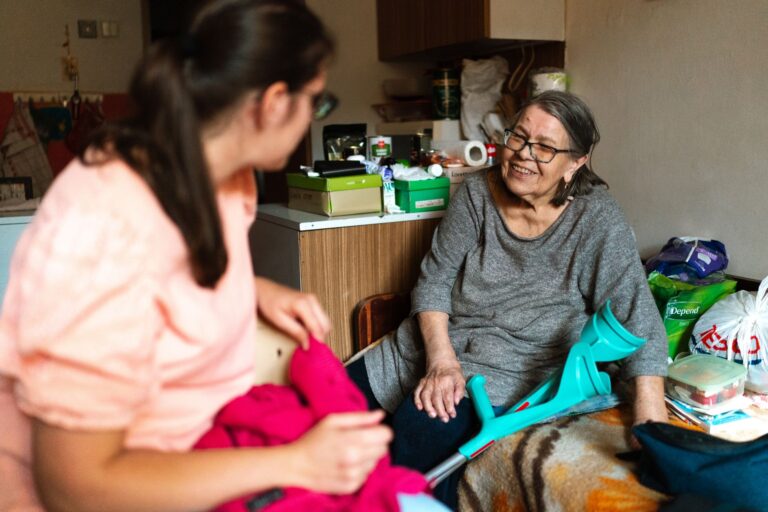
The 2026 NIA Dementia Care and Caregiving Summit report gives long-distance caregivers direction, not a single treatment or care program to follow. It points families living at a distance toward coordinated team care, caregiver training, and local support services.
A long-distance caregiver is a person who lives an hour or more from the person needing help, according to the National Institute on Aging NIA long-distance caregiving page. The report is a federal research agenda, not medical advice for one family. Its value for distant families is clearer priorities for future support and coordination.
Medical information disclaimer: This article is for general educational purposes only and does not provide medical advice, diagnosis, or treatment. Always consult a physician or other qualified health professional about symptoms, medications, tests, or treatment decisions.
Table of Contents
- Who counts as a long-distance caregiver?
- Why the report names no single best model
- How can distant families coordinate local care?
- What can you do from an hour away?
Who counts as a long-distance caregiver?
Distance is about travel time, not miles. An hour in traffic counts the same as an hour on open highway.
You may still help daily by phone while another person helps in person. Common setups include an adult child in another city, a sibling in another state, or partners split between homes. Distance changes your role toward planning, monitoring, and paying for local help.
Why the report names no single best model
The National Institute on Aging hosted the summit virtually on March 17-19, 2026, as listed by the NIA IMPACT Collaboratory NIA IMPACT Collaboratory event listing. The goal was to review progress and identify unmet needs in dementia care and caregiving.
The released report recommends no single treatment or single care model, according to the ComForCare summary of the NIA report ComForCare summary of the NIA 2026 report. It instead lists research gaps and priorities to shape future care and services. For distant families, that means choosing supports that fit local resources rather than waiting for one approved method.
How can distant families coordinate local care?
Medicare's 8-year GUIDE Model started July 1, 2024 for enrolled families, according to the Centers for Medicare & Medicaid Services GUIDE fact sheet. It offers a care navigator, round-the-clock team or helpline access, caregiver education, and respite.
A navigator gives a distant caregiver one contact for appointments, services, and next steps. Helpline access helps when a local problem arises overnight or on weekends. Education and respite reduce strain on the person who provides daily hands-on help.
What can you do from an hour away?
Build a small local circle before a crisis. Name one neighbor, one local contact, and the primary care practice for updates.
Track changes in memory, safety, mood, and daily tasks between visits. Share notes with the local helper and care team so small declines get early attention.
- Keep one shared medication, allergy, and contact list
- Schedule a brief weekly call with the local helper
- Ask the care team who to call after hours
- Arrange backup rides, meals, and short breaks for the daily helper
You Might Also Like
- Early Dementia Detection Across Care Settings in the 2026 NIA Report: A 2026 Follow-Up Checklist for Spouses and Partners
- Implementation-Ready Dementia Interventions in the 2026 NIA Report: What Is Established and What Remains Uncertain for People With Mild Cognitive Impairment
- Community-Academic Dementia Partnerships in the 2026 NIA Report: A 2026 Follow-Up Checklist for Spouses and Partners