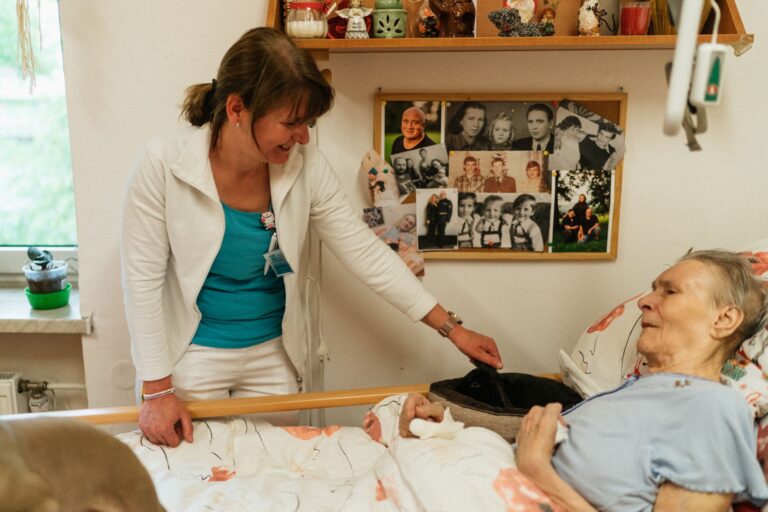
The NIA 2026 Dementia Care and Caregiving Summit Report tells adult children to check local screening pathways, GUIDE dementia support, and caregiver services. The National Institute on Aging (NIA) is the federal aging-research agency, and its report focuses on care families can find close to home. The agency hosted the summit virtually March 17-19, 2026, with sessions on economics, care models, and early detection, according to the National Institute on Aging in the 2026 summit page. Adult children can use that agenda as a checklist for a parent's clinic, Medicare options, and community supports.
Medical information disclaimer: This article is for general educational purposes only and does not provide medical advice, diagnosis, or treatment. Always consult a physician or other qualified health professional about symptoms, medications, tests, or treatment decisions.
Table of Contents
- What should you ask about early detection?
- Is GUIDE dementia care available near you?
- Who gets free GUIDE navigation and respite?
- Where can you find meals, rides, and training now?
What should you ask about early detection?
The NIA Summit Report sets early-detection Goal 5.2 to test primary-care and community screening. It includes technology-enabled assessments and records-based detection linked to care and community services. Ask a primary-care clinic how a concern moves from screening to follow-up care.
NIA-funded 5-Cog screening combines brief cognitive and mobility tests. It is being trialed to catch mild impairment in primary care and reduce diagnostic disparities. The study summary notes it still needs testing in broader populations, so ask whether the clinic uses a validated pathway.
Is GUIDE dementia care available near you?
The Centers for Medicare & Medicaid Services launched the 8-year GUIDE dementia model on July 1, 2024, according to the agency in the GUIDE launch announcement. About 390 participating organizations offer care navigation, a 24/7 support line, caregiver training, respite, and community-resource referrals. Search the current GUIDE participant list by ZIP code and call to ask about openings.
Navigation helps families coordinate visits, medications, safety planning, and services. Respite gives the caregiver short breaks while the person with dementia receives supervised care. Training teaches practical skills for daily care, behavior changes, and crisis calls.
Who gets free GUIDE navigation and respite?
Free GUIDE navigation and respite are limited to a defined group, according to the Alzheimer's Association in the GUIDE program guide. Check these points before you apply: If your parent does not meet all four, ask the GUIDE site about other paid or grant-supported options. Also ask the clinic social worker about separate caregiver programs through the health system or county.
- person lives in the community, not in long-term nursing-home care
- person has confirmed dementia
- person is enrolled in Original Medicare Parts A and B
- person is not in Medicare Advantage, PACE, or hospice
Where can you find meals, rides, and training now?
Contact the Eldercare Locator at eldercare.acl.gov or 1-800-677-1116. The Administration for Community Living runs the service to connect caregivers to local Area Agencies on Aging. Those agencies can point to meals, rides, respite, and caregiver training.
Have the parent's address, needs, and weekly schedule ready when you call. Ask for one care coordinator, current wait times, costs, and required forms. Save the referral names, dates, and next steps in one shared family note.
You Might Also Like
- Strengths-Based Dementia Care in the 2026 NIA Report: A Source-Checked Briefing for Adult Children
- Early Dementia Detection Across Care Settings in the 2026 NIA Report: A Source-Checked Briefing for Adult Children
- Unpaid Dementia Care Costs in the 2026 NIA Summit Report: Service Gaps That Matter to Spouses and Partners