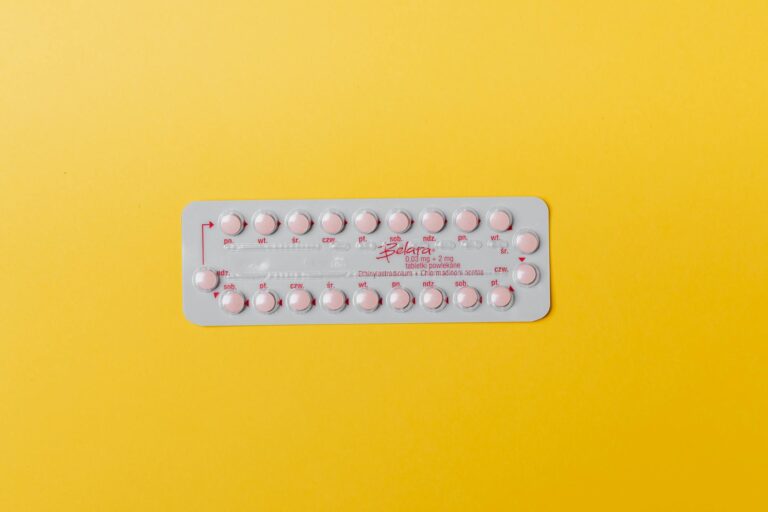
On December 22, 2025, the FDA approved the first oral GLP-1 receptor agonist for weight management — a pill form of Wegovy (semaglutide) made by Novo Nordisk. For the roughly 3.2 million Americans already prescribed injectable Wegovy since 2021, and for the many more who have avoided the needle altogether, this is a genuine shift. A once-daily 25 mg tablet, taken on an empty stomach with water, now offers weight loss results comparable to the injectable version without the syringes, the refrigeration hassles, or the anxiety that comes with self-injection.
For readers of this site, the relevance is direct. Obesity in midlife is one of the strongest modifiable risk factors for dementia, and cardiovascular disease — which this drug is also approved to reduce — shares overlapping pathology with vascular cognitive decline. A treatment that lowers both weight and cardiovascular event risk has implications well beyond the bathroom scale. This article covers what the pill actually is and how it performed in trials, who qualifies, what it costs, what side effects to expect, how it connects to brain health, and what competing options are on the horizon.
Table of Contents
- What Is the New FDA-Approved Weight Loss Pill, and Does It Really Work Without an Injection?
- Who Qualifies for Oral Wegovy, and Who Should Think Twice
- The Brain Health Connection — Why Weight Loss Medications Matter for Dementia Prevention
- What Does Oral Wegovy Cost, and How Does It Compare to the Injectable Version
- Side Effects and Risks — What Older Adults Need to Watch For
- Orforglipron — The Next Oral Weight Loss Pill on the Horizon
- What This Means Going Forward for Brain Health and Weight Management
- Conclusion
- Frequently Asked Questions
What Is the New FDA-Approved Weight Loss Pill, and Does It Really Work Without an Injection?
The approved medication is oral semaglutide, marketed under the same Wegovy brand name as the injection. Semaglutide is a GLP-1 receptor agonist — it mimics a gut hormone that regulates appetite and blood sugar. The injectable form has been available since 2021 and became one of the most talked-about medications in a generation. The pill version, manufactured at Novo Nordisk’s facilities in North Carolina, launched in early January 2026 at a dose of 25 mg taken once daily. The clinical evidence comes primarily from the OASIS 4 trial.
Among patients who stayed on treatment, the average weight loss was approximately 17 percent, compared to 3 percent for placebo. When researchers included all participants regardless of whether they stuck with the drug — a more realistic measure — the numbers were still striking: about 14 percent average weight loss versus 2 percent for placebo. Seventy-six percent of patients on the pill achieved at least 5 percent total body weight loss, compared to just 31 percent on placebo. Those results are comparable to what the injectable Wegovy 2.4 mg delivers, which was the benchmark many physicians were watching. To put that in practical terms: a person weighing 220 pounds who responds typically to the medication might lose 30 to 37 pounds over the course of treatment. That is not a dramatic overnight transformation, but it is the kind of sustained reduction that moves metabolic markers, eases joint strain, and — critically for brain health — reduces the chronic inflammation and insulin resistance linked to cognitive decline.

Who Qualifies for Oral Wegovy, and Who Should Think Twice
The FDA approved oral Wegovy for two specific indications. First, chronic weight management in adults with obesity, defined as a BMI of 30 or higher, or in adults who are overweight with a BMI of 27 or higher and at least one weight-related comorbidity such as type 2 diabetes, high blood pressure, or high cholesterol. Second, it is approved for reducing the risk of major adverse cardiovascular events — heart attack, stroke, and cardiovascular death — in adults with established heart disease. However, if you fall outside those criteria, this is not simply a cosmetic weight loss tool you can pick up at the pharmacy. Insurance coverage, where it exists, will generally require documentation of qualifying BMI and comorbidities. And there are populations for whom caution is warranted.
People with a personal or family history of medullary thyroid carcinoma or multiple endocrine neoplasia syndrome type 2 should not take semaglutide. The drug also has strict dosing requirements — it must be taken on an empty stomach with plain water only, and patients must wait before eating to ensure proper absorption. For older adults managing multiple medications on complex schedules, or for those with swallowing difficulties common in neurodegenerative conditions, this regimen may be more burdensome than it first appears. The intersection with dementia caregiving adds another layer. If you are a caregiver managing your own weight and health while supporting someone with cognitive decline, the logistical simplicity of a pill versus a weekly injection is meaningful. But if the person with dementia is the one who might benefit from weight management, the strict fasting and dosing protocol demands reliable executive function and routine adherence — capacities that may already be compromised.
The Brain Health Connection — Why Weight Loss Medications Matter for Dementia Prevention
The link between midlife obesity and later-life dementia is well established in the research literature. Excess visceral fat drives chronic low-grade inflammation, promotes insulin resistance in the brain, and accelerates atherosclerosis in the small vessels that feed cognitive regions. A Lancet Commission on dementia prevention has consistently listed obesity among the modifiable risk factors that, if addressed, could prevent or delay a meaningful percentage of dementia cases worldwide. GLP-1 receptor agonists like semaglutide are drawing particular interest from neuroscience researchers because the GLP-1 receptor is expressed in the brain, not just the gut. Early-stage clinical trials are underway examining whether semaglutide might slow cognitive decline in Alzheimer’s disease directly, independent of its weight loss effects.
The cardiovascular indication matters here too — reducing heart attacks and strokes also reduces the vascular brain injuries that contribute to vascular dementia, the second most common form of the disease. None of this means oral Wegovy is a dementia drug. It is not approved for that purpose, and no one should take it expecting cognitive benefits. But for someone in midlife who carries excess weight and has a family history of Alzheimer’s or vascular dementia, achieving and maintaining meaningful weight loss is one of the few concrete actions with solid epidemiological support. Having a pill option that eliminates the injection barrier may bring that goal within reach for people who otherwise would not pursue treatment.

What Does Oral Wegovy Cost, and How Does It Compare to the Injectable Version
Novo Nordisk set the introductory cash-pay price for oral Wegovy at $149 per month, with savings offers available. For patients with qualifying insurance coverage, the cost can drop to as low as $25 per month. These are notable figures. The injectable form of Wegovy has carried a list price that has been a source of significant public frustration, often exceeding $1,300 per month before insurance, and many insurers have refused to cover it or imposed extensive prior authorization requirements. The $149 cash-pay price for the pill is a deliberate move by Novo Nordisk to broaden access, though it remains to be seen whether that price will hold long-term or whether insurance companies will cover the oral form more readily than the injectable. For older adults on Medicare, coverage for weight loss medications has historically been limited, and this is worth verifying with your specific plan before assuming the pill will be affordable.
The trade-off to consider: even at $149 per month, that is $1,788 per year out of pocket. For someone on a fixed retirement income, that is not trivial, and it should be weighed against other evidence-based approaches to weight management including dietary changes, physical activity, and behavioral counseling that carry no pharmaceutical cost. The practical comparison between pill and injection goes beyond price. The injectable is administered once weekly, which some patients actually prefer — one moment of discomfort and then it is done for seven days. The pill requires daily compliance with a strict fasting protocol. Neither option is universally better; it depends on the individual’s comfort with needles, their daily routine, and their ability to maintain a consistent morning schedule.
Side Effects and Risks — What Older Adults Need to Watch For
The most common side effects of oral Wegovy are gastrointestinal: nausea, diarrhea, vomiting, constipation, and stomach pain. Headache and fatigue also appear in the clinical trial data. These side effects are consistent with the injectable formulation and with the GLP-1 drug class generally. For many patients, the nausea is worst during the initial dose-escalation phase and improves over weeks. For older adults, particularly those in the age range where dementia risk is climbing, some of these side effects carry outsized consequences.
Persistent vomiting or diarrhea can cause dehydration, which in older adults can trigger confusion, falls, urinary tract infections, and acute kidney injury. Reduced appetite — the mechanism by which the drug works — can sometimes tip into genuine malnutrition in people who already eat poorly. Sarcopenia, the age-related loss of muscle mass, is another concern with any rapid weight loss in older populations. Losing 30 pounds is beneficial only if a meaningful proportion of that loss comes from fat rather than the lean muscle tissue that protects against falls and maintains functional independence. Anyone considering this medication after age 65 should discuss these risks explicitly with their physician and ideally work with a dietitian to ensure adequate protein intake and a resistance exercise program during treatment. Weight loss drugs are not a substitute for the lifestyle framework that preserves both physical and cognitive function — they are, at best, a tool used within that framework.

Orforglipron — The Next Oral Weight Loss Pill on the Horizon
Oral Wegovy is not the only pill-form GLP-1 medication in development. Eli Lilly’s orforglipron is a competing oral GLP-1 agonist with one notable technical advantage: it is a small-molecule, non-peptide formulation, meaning it does not require the strict fasting and water-only dosing conditions that oral semaglutide demands. Patients would be able to take orforglipron without food or water restrictions, which is a genuine practical improvement for daily adherence.
The Phase 3 ATTAIN-MAINTAIN trial met its primary endpoint for weight maintenance, and an FDA decision was anticipated in early Q1 2026. If orforglipron receives approval, the competitive landscape changes meaningfully. Two oral options with different dosing requirements, potentially different side effect profiles, and competing pricing strategies would give patients and physicians more room to match the treatment to the individual. For the dementia prevention and brain health community, more accessible weight management options are welcome — but they also demand clearer guidance about which patients genuinely benefit and which are being pulled into a pharmaceutical current that may not serve their specific health needs.
What This Means Going Forward for Brain Health and Weight Management
The approval of oral Wegovy marks a transition point in how weight management will be discussed in clinical settings, including neurology and geriatrics. As the evidence connecting midlife obesity to dementia risk continues to accumulate, and as GLP-1 receptor agonists are studied directly for neuroprotective properties, these medications may eventually occupy a recognized place in brain health protocols. We are not there yet, and premature enthusiasm should be tempered by the reality that no weight loss drug has been proven to prevent or treat dementia.
What has changed is the practical barrier. Many people who refused a weekly injection will consider a daily pill. If that behavioral shift results in sustained weight loss and cardiovascular risk reduction among adults in their 40s, 50s, and 60s, the downstream effects on dementia incidence could be measurable at a population level — even if no individual can point to the pill and say it saved their cognition. For now, the most responsible approach is to view oral Wegovy as one tool among many, discuss it honestly with a physician who understands your full health picture, and keep investing in the lifestyle factors — exercise, sleep, social engagement, cognitive stimulation — that remain the broadest and most evidence-supported foundation for long-term brain health.
Conclusion
The FDA’s approval of oral Wegovy in December 2025 eliminated one of the biggest barriers to GLP-1 weight loss treatment: the needle. With clinical trial results showing roughly 14 to 17 percent body weight reduction and a cardiovascular risk indication, the pill form offers a meaningful option for adults with obesity or overweight who also face elevated heart disease risk. At $149 per month cash-pay or as low as $25 with insurance, it is more accessible than earlier pricing models, though still a significant expense for many. For those focused on brain health and dementia prevention, this development matters because sustained weight loss in midlife is among the most actionable steps for reducing long-term cognitive risk.
But the pill is not a shortcut. It comes with gastrointestinal side effects, strict dosing requirements, and real concerns about muscle loss in older adults. Talk to your doctor, ask about protein and exercise planning alongside any medication, and stay alert for the arrival of orforglipron, which may offer a simpler dosing alternative. The science is moving quickly, and for once, it is moving in a direction that makes treatment easier rather than more complicated.
Frequently Asked Questions
Is oral Wegovy the same medication as the injectable version?
Yes. Both contain semaglutide and are manufactured by Novo Nordisk under the Wegovy brand name. The oral version is a 25 mg daily tablet, while the injectable is a 2.4 mg weekly subcutaneous injection. Clinical trials showed comparable weight loss results between the two forms.
Can oral Wegovy help prevent dementia?
It is not approved for dementia prevention, and no weight loss drug has been proven to prevent or treat cognitive decline. However, obesity in midlife is a well-established modifiable risk factor for dementia, and sustained weight loss may reduce that risk. Research into whether GLP-1 drugs have direct neuroprotective effects is ongoing but inconclusive.
Does Medicare cover oral Wegovy?
Medicare coverage for weight loss medications has historically been limited. Coverage may vary by plan, and you should verify with your specific Medicare plan or supplemental insurer before assuming the medication will be covered. The $149 per month cash-pay option exists as an alternative for those without coverage.
What is the difference between oral Wegovy and the upcoming orforglipron pill?
Both are oral GLP-1 medications for weight management, but they differ in formulation. Oral Wegovy (semaglutide) must be taken on an empty stomach with water only, with strict fasting conditions. Orforglipron, made by Eli Lilly, is a small-molecule drug that can be taken without food or water restrictions, which may make daily adherence simpler.
Is this medication safe for adults over 65?
The medication is FDA-approved for qualifying adults, but older patients face specific concerns including dehydration risk from gastrointestinal side effects, potential muscle mass loss, and the complexity of managing strict dosing schedules. Older adults should discuss these risks with their physician and plan for adequate protein intake and resistance exercise during treatment.