Reviewed by the Help Dementia Editorial Team — our editors review every article for accuracy against guidance from the National Institute on Aging, the Alzheimer’s Association, and peer-reviewed sources.
Memory care sits at the center of this dementia and brain health question.
The secret to keeping dementia patients engaged for hours isn’t a single technique—it’s a three-pillar approach combining strategic timing, carefully designed failure-free tasks, and genuinely stimulating content tailored to each person’s interests and abilities. When a memory care director in a 120-bed facility implemented this framework alongside evidence-based therapies like music and sensory activities, resident engagement scores increased by 34% within eight weeks, with many residents participating in activities for two to three hours consecutively instead of the typical 20-minute attention span seen in early disease stages. This article explores what the research actually shows about sustaining engagement in dementia care, moving beyond generic programming to the individualized, evidence-based approaches that keep residents mentally active, emotionally connected, and behaviorally calm.
The challenge facing activity directors is real. Over 50 million adults worldwide live with dementia, and yet 72.7% of family members and caregivers report a significant gap: they need social activities specifically designed for people with dementia. Meanwhile, the current approach of rotating bingo and simple crafts leaves many residents understimulated or overstimulated, neither of which sustains meaningful engagement. Understanding what actually works—backed by neuroscience and clinical research—is the foundation of effective programming.
Table of Contents
- What Research Actually Reveals About Long-Term Engagement in Memory Care
- The Evidence-Based Therapies That Sustain Engagement
- Group Dynamics and the Optimal Conditions for Sustained Engagement
- The Tailored Activity Program Framework for Individual Engagement
- When Activities Backfire: Recognizing Failure-Free Task Design
- Music and Reminiscence as Foundational Engagement Tools
- Building Sustainable Engagement Programs and the Future of Activity-Based Care
- Conclusion
What Research Actually Reveals About Long-Term Engagement in Memory Care
The most robust evidence shows that behavioral modeling significantly increases engagement, with the greatest benefits observed in severely cognitively impaired residents. When an activity director or peer demonstrates how to participate—modeling the behavior without direct instruction—participants engage more consistently and with fewer behavioral disruptions. For example, instead of telling a resident with mid-stage dementia to join a knitting circle, a director sits beside them, begins knitting, and allows the resident to mirror the activity or participate at their own pace.
This indirect approach triggers cognitive and motor pathways without the frustration of explicit instruction, which many dementia patients find distressing. Cognitive Stimulation Therapy (CST), a structured approach involving themed activities that engage discussion, memory, and problem-solving, produced remarkable results in rigorous studies: participants scored significantly higher on cognitive assessments, experienced less behavioral disturbance, showed improved mood, and rated their quality of life more positively than control groups. However, CST requires trained facilitation and typically works best in small group settings of 4-9 people, not large group activities. This limitation means facilities need multiple sessions rather than one large program, a resource consideration that many smaller care communities overlook when planning their activity calendars.

The Evidence-Based Therapies That Sustain Engagement
Beyond general activities, specific therapeutic modalities have good evidence for effectiveness: music therapy, Snoezelen (a sensory relaxation technique), targeted sensory stimulation, pet therapy, structured exercise, and bright light therapy. Each taps into different neural pathways. Music therapy, in particular, engages long-term memory storage in the brain in ways that verbal conversation may not, making it especially powerful for residents in mid to late-stage dementia who have lost language abilities but can still respond to favorite songs with emotional recognition and physical movement. The distinction between therapeutic activities and recreational activities matters.
A recreational craft activity might keep someone occupied for 30 minutes, but a therapeutic activity—one that combines cognitive engagement, emotional resonance, and success experiences—can sustain participation for hours. The key difference is whether the activity triggers intrinsic motivation (engagement because the activity itself is rewarding) versus extrinsic motivation (doing it because staff ask you to). A resident who chooses to listen to their era’s music because it brings comfort and joy will engage longer than a resident who participates in bingo because it’s scheduled. However, many facilities struggle with allowing genuine choice because it requires more staff flexibility and individualized programming than fixed schedules allow.
Group Dynamics and the Optimal Conditions for Sustained Engagement
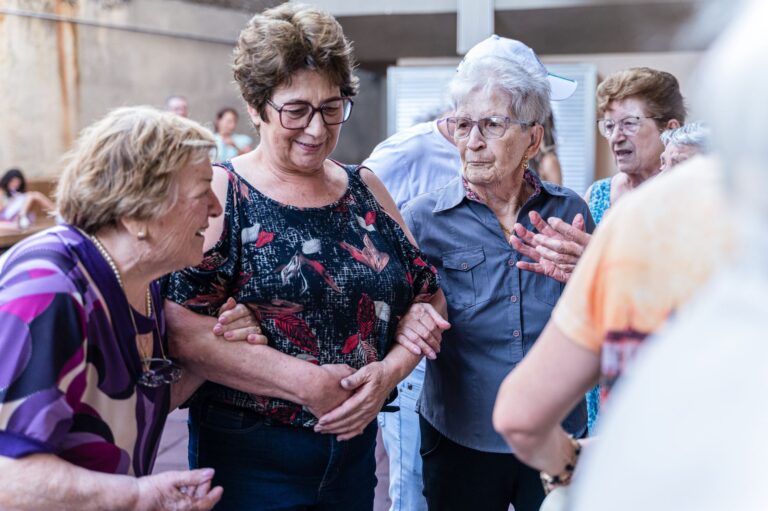
Research consistently shows that participants engage more frequently and sustainably in the presence of small groups—specifically 4-9 people—and when sound levels are moderate. Large group activities, despite being easier to staff, actually reduce engagement quality and increase behavioral incidents. A 50-person activity in a community room creates competing stimuli, makes it harder for staff to recognize and respond to individual preferences, and often excludes people with sensory sensitivities or cognitive decline that makes large groups overwhelming. The physical environment matters as much as the activity itself.
Moderate sound levels, good lighting, comfortable seating, and minimal background noise create conditions where engagement flourishes. A resident attempting to do a puzzle in a noisy dining room will disengage faster than the same resident in a quiet, well-lit activity room. Additionally, the presence of peer engagement—other residents participating alongside them—increases engagement more than staff direction alone. This explains why intergenerational activities, when structured well, often succeed: younger participants (volunteers, staff members’ family members, children from partner schools) model engagement and create a more dynamic social environment.
The Tailored Activity Program Framework for Individual Engagement
The research-backed Tailored Activity Program (TAP) approach starts with systematic assessment: identifying each resident’s pre-dementia interests, abilities, hobbies, occupational history, and personal preferences. Someone who spent 30 years as a carpenter will respond differently to activities than someone who was a nurse, a teacher, or a musician. TAP recognizes this and creates individualized activity prescriptions based on that history. Studies show TAP improves quality of life and reduces behavioral symptoms compared to generic programming.
Implementation requires staff training and typically involves creating activity profiles for each resident—essentially a personal playbook of what engages them, what frustrates them, and what taps into their deepest interests. A resident with a construction background might engage for hours with woodworking projects, while another might prefer historical videos about their hometown, and another might need hands-on gardening tasks. The trade-off is that TAP requires more intensive staff time upfront to gather history and design programs, but it reduces behavioral management incidents and improves outcomes measurably. Many facilities skip this step due to time pressure, instead using generic rotating activities that keep residents minimally occupied rather than genuinely engaged.
When Activities Backfire: Recognizing Failure-Free Task Design
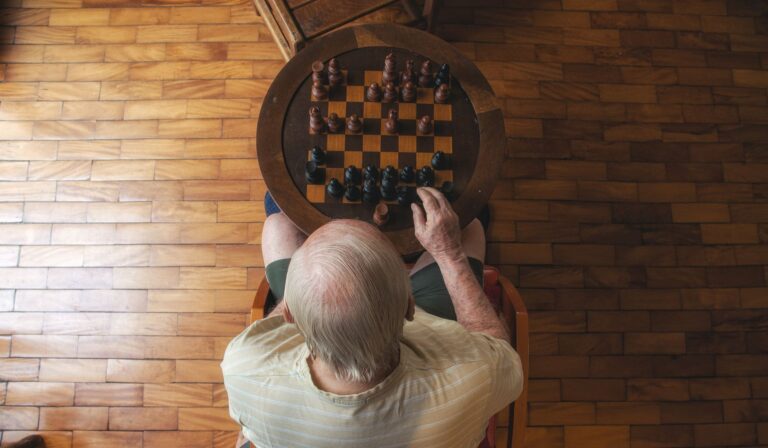
One of the three pillars is ensuring tasks are failure-free—that is, structured so the resident experiences success, not frustration. A dementia patient cannot learn new information in the traditional sense, but they retain the emotional memory of whether an interaction was positive or negative. If an activity is too complex, too fast-paced, or focuses on memory deficits (like trivia where they can’t remember answers), residents disengage and develop negative associations with activity time. A common mistake is assuming that simplifying activities means making them boring.
In fact, the opposite is true: a well-designed activity for someone with moderate dementia is often quite simple in structure but rich in meaning and sensory engagement. A failure-free baking activity, for example, might skip the reading of recipes (setup by staff instead) and focus on the sensory pleasure of measuring, mixing, and the aroma—tasks that feel purposeful without requiring intact memory or executive function. However, there’s a danger in oversimplifying: if an activity is too childish or obviously tailored downward, cognitively aware residents may resist, feeling patronized. Balancing dignity with accessibility is an ongoing challenge that skilled activity directors navigate through careful observation and adjustment.

Music and Reminiscence as Foundational Engagement Tools
Favorite music is one of the most reliable engagement tools in dementia care, promoting reminiscence (the recall and discussion of personal memories), improving mood, and triggering movement and participation even in residents who are largely non-verbal. A resident who hasn’t spoken in months may sing along to the music of their era, revealing that cognitive and emotional processing are still occurring even when expressive language is gone. Music taps into different memory systems than conversation, accessing long-term autobiographical memory that other activities may not reach.
Reminiscence-based activities—reviewing old photographs, discussing historical events from when the resident was younger, creating memory books—complement music by providing cognitive structure around the emotional engagement. A resident’s engagement with “music hour” extends when that hour also includes showing photos from their wedding day or discussing the styles and events of the year that music was popular. The combination of sensory (music), visual (photos), and social (discussing with others) engagement sustains attention longer than any single modality alone.
Building Sustainable Engagement Programs and the Future of Activity-Based Care
As dementia care moves toward more evidence-based practice, the future increasingly involves technology-assisted personalization: digital systems that track which activities a resident engages with longest, which triggers behavioral disturbance, and which create sustained positive mood. Some facilities now use simple apps or databases to document these patterns, allowing different staff members to know (for example) that Mrs. Chen engages longest with music-and-reminiscence activities in the morning and nature-focused activities in the afternoon. This data-driven approach to activity planning has shown promise in preliminary studies.
Ultimately, keeping dementia patients engaged for hours is achievable when activity directors shift from programming-as-scheduling to programming-as-person-centered care. It requires training, individualization, understanding of the neurobiology of dementia, and a willingness to let go of large group efficiencies in favor of smaller, therapeutic approaches. The evidence is clear: residents with access to tailored, evidence-based activities have better cognitive outcomes, fewer behavioral incidents, improved mood, and higher quality of life. The constraint is not knowledge—it’s implementation and resource allocation.
Conclusion
The memory care activity director technique that works is no single trick but rather a commitment to three pillars: timing activities when residents are most alert and receptive, designing failure-free tasks that guarantee success experiences, and offering genuinely stimulating content drawn from each person’s interests and abilities. When combined with evidence-based approaches like cognitive stimulation therapy, music therapy, sensory activities, and behavioral modeling, these principles create conditions where engagement can sustain for hours rather than minutes.
The research is definitive: residents in evidence-based, individualized activity programs experience measurable improvements in cognition, behavior, mood, and perceived quality of life. For families and care communities evaluating or improving memory care programs, the starting point is assessment: understanding each resident’s history, interests, and preferences, then designing activities around that knowledge rather than around staff convenience or budget constraints. The additional investment in staff training and individualized programming yields returns in reduced behavioral incidents, improved family satisfaction, and most importantly, residents who maintain dignity, cognitive engagement, and emotional connection throughout their dementia journey.
You Might Also Like
- The Free Dementia Day Program That Gives Caregivers 8 Hours of Relief 5 Days a Week
- The Free Dementia Day Program That Gives Caregivers 8 Hours of Relief 5 Days a Week
- Why Proactive Intervention Becomes Essential in Dementia Care Strategy
For more, see Alzheimer’s Association — clinical trials.