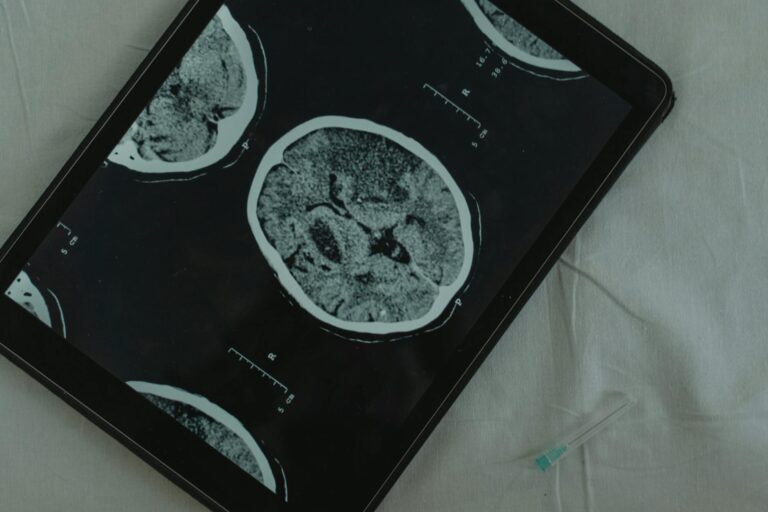
One of the most effective knee-strengthening moves that can also help protect the aging brain is a controlled, balanced exercise involving coordinated movement of opposite limbs, often referred to as the “Arm and Leg Opposite Reach” or a supported version of the bird-dog exercise. This move not only strengthens key muscles around the knee but also engages core stability and challenges brain coordination, which is crucial for maintaining cognitive health as we age.
Here’s how it works: You start on your hands and knees in a tabletop position with your back flat and core engaged. Then you slowly extend your right arm forward while simultaneously extending your left leg straight back, keeping both parallel to the floor. Hold this position briefly before returning to start and then switch sides. If balance is an issue, you can perform this standing near a wall for support by lifting one arm and the opposite leg carefully[1].
This seemingly simple move does several important things for aging bodies:
– **Strengthens muscles around the knee:** The extended leg requires activation of quadriceps, hamstrings, glutes, and stabilizing muscles that support proper knee alignment during movement.
– **Enhances core stability:** Keeping your torso stable while moving limbs independently builds deep abdominal and lower back strength essential for upright posture.
– **Improves balance:** Balancing on one leg at a time trains proprioception—the body’s ability to sense its position in space—which reduces fall risk.
– **Boosts cross-body coordination:** Moving opposite limbs together challenges neural pathways between brain hemispheres, improving motor control.
Why does this matter for protecting an aging brain? As we grow older, our brains naturally slow down in processing speed and coordination ability. Exercises like this force multiple parts of the nervous system to work together—visual input from seeing where limbs are placed; motor planning from deciding how to move; balance control from inner ear signals—all simultaneously. This kind of neuro-muscular training helps maintain sharpness in these systems by continually stimulating neural connections[1].
Moreover, strengthening knees through such exercises supports overall mobility which encourages continued physical activity—a known factor in slowing cognitive decline. Stronger knees mean less pain or instability when walking or exercising regularly; thus people stay active longer[2][3]. Physical activity itself promotes cardiovascular health that feeds oxygen-rich blood to brain tissues helping memory retention and mental clarity over time[2].
To perform this exercise safely:
– Keep movements slow and controlled rather than rushed.
– Engage your abdominal muscles throughout so your spine stays neutral.
– Avoid letting hips tilt or rotate; keep them level.
– If full extension feels too challenging initially, modify by lifting just an arm or just a leg until strength improves.
In addition to this move specifically targeting knee strength with neurological benefits, other complementary exercises include seated knee extensions (straightening legs while seated), sit-to-stand squats focusing on pushing through heels without letting knees cave inward,[3] all contributing toward joint stability without excessive strain.[4][5]
The key takeaway here is that strengthening knees isn’t just about muscle power—it’s about integrating body awareness with movement precision underpinned by healthy brain function. When done consistently over time as part of regular physical activity routines tailored for older adults’ needs—this type of neuro-muscular training becomes a powerful tool not only against joint degeneration but also against cognitive decline associated with aging.
So next time you think about protecting both joints *and* mind as years advance—consider incorporating balanced limb reaches into daily practice: it’s simple yet profoundly beneficial across multiple dimensions essential for graceful aging.