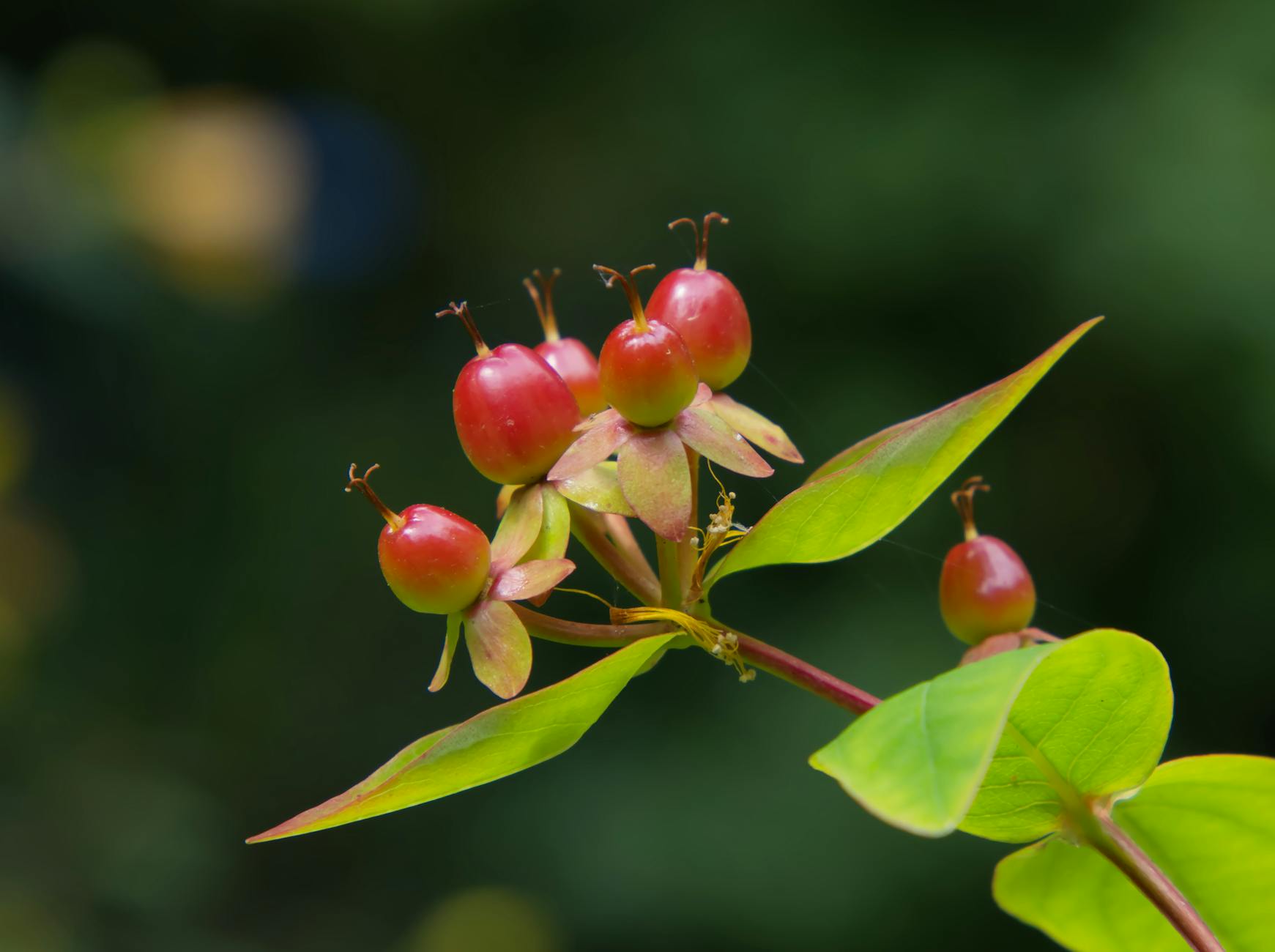
St. John’s Wort is the herbal supplement that dangerously interacts with common medications, and it is not even a close contest. This widely available plant extract, sold without a prescription in virtually every pharmacy and health food store in America, has 657 known drug interactions — 300 of them classified as major. For families managing dementia care, where loved ones often take multiple prescription medications for memory, mood, sleep, and cardiovascular health, the presence of St. John’s Wort in a medicine cabinet is a genuine safety threat. Consider a scenario that plays out more often than most physicians would like: an older adult with early cognitive decline begins taking St. John’s Wort for low mood, not realizing it could slash the effectiveness of their blood thinner, cholesterol medication, or even a drug keeping their transplanted organ from being rejected. The danger is not theoretical. Between 1998 and 2000 alone, 22 spontaneous case reports of interactions between St.
John’s Wort and the blood thinner warfarin were filed with European Union regulatory authorities, resulting in dangerously unstable blood clotting values. And warfarin is just one medication on a long list. St. John’s Wort interferes with antidepressants, heart drugs, cancer treatments, HIV medications, immunosuppressants, and even birth control pills. The mechanism behind this is well understood — the supplement hijacks the same liver enzyme pathways responsible for metabolizing roughly half of all prescription drugs on the market. This article breaks down exactly how St. John’s Wort causes these interactions, which specific medications are most at risk, what the FDA does and does not do to protect consumers, and what practical steps families and caregivers should take. We will also look at other herbal supplements that carry significant interaction risks, because St. John’s Wort is the worst offender but certainly not the only one.
Table of Contents
- Why Does St. John’s Wort Interact So Dangerously With Common Medications?
- The Specific Medications Most Threatened by St. John’s Wort
- Why the FDA Cannot Protect You From Supplement Interactions
- How Caregivers Can Identify and Prevent Dangerous Supplement Interactions
- The Broader Problem of Herbal Supplement Safety in Dementia Care
- When a Loved One Insists on Taking St. John’s Wort
- What the Future Holds for Supplement-Drug Interaction Monitoring
- Conclusion
- Frequently Asked Questions
Why Does St. John’s Wort Interact So Dangerously With Common Medications?
The short answer involves liver enzymes. St. John’s Wort activates something called the pregnane-X-receptor, or PXR, which in turn ramps up the production of CYP3A4 and CYP2C9 liver enzymes and a transporter protein called P-glycoprotein. These are the same biological pathways that metabolize approximately 50 percent of all prescription drugs. When St. John’s Wort forces these enzymes into overdrive, medications pass through the body far more quickly than they should, often before they have had a chance to do their job. The result is that drug levels in the blood drop below therapeutic thresholds — meaning the medication essentially stops working, even though the person is still taking it on schedule. Think of it this way: your liver is a processing plant. Normally, it breaks down drugs at a predictable rate, which is how doctors determine proper dosages. St.
John’s Wort throws open extra processing lines in that plant, so drugs get chewed up and cleared out before they can take effect. This is fundamentally different from an allergic reaction or a side effect. The supplement is not causing a new symptom — it is silently erasing the benefit of medications a person depends on. For someone on a blood thinner to prevent stroke, or on an immunosuppressant to keep a transplanted organ alive, this is not a minor inconvenience. It is a medical emergency waiting to happen. What makes this especially insidious is that the person taking St. John’s Wort typically feels fine. There is no immediate warning sign. The blood thinner quietly becomes less effective, the antidepressant stops holding, the anti-rejection drug falls below the level needed to protect a new kidney. By the time anyone notices the problem — a blood clot, a depressive episode, organ rejection — real damage has already occurred.
The Specific Medications Most Threatened by St. John’s Wort
The list of drugs that interact dangerously with St. John’s Wort reads like a catalog of the most commonly prescribed medications in geriatric and dementia care. Antidepressants top the list because of a condition called serotonin syndrome. When St. John’s Wort — which has its own mild serotonergic activity — is combined with SSRIs like sertraline, fluoxetine, or citalopram, serotonin levels can spike to life-threatening heights. Symptoms include agitation, confusion, rapid heart rate, high blood pressure, dilated pupils, and muscle twitching. For someone already living with cognitive impairment, these symptoms can be mistaken for worsening dementia or delirium, delaying the recognition that a drug interaction is the real culprit. Warfarin deserves special attention because it is prescribed to millions of older adults for atrial fibrillation and stroke prevention. St.
John’s Wort accelerates warfarin metabolism, causing INR values — the measure of how effectively the blood is being thinned — to become unstable. This can lead to blood clots, stroke, or pulmonary embolism. The 22 cases reported to EU authorities between 1998 and 2000 were likely a fraction of the actual occurrences, given how underreported supplement interactions are. Other commonly affected medications include digoxin for heart failure, alprazolam for anxiety, simvastatin for cholesterol, cyclosporine and tacrolimus for organ transplant recipients, and cancer drugs like irinotecan and imatinib. However, if someone has been taking St. John’s Wort for a long time alongside a medication and their doctor has adjusted the drug dosage accordingly, abruptly stopping the supplement can be just as dangerous. Suddenly removing the enzyme-inducing effect means drug levels will spike — potentially to toxic levels. This is particularly risky with drugs that have a narrow therapeutic window, like warfarin or digoxin. Any changes to St. John’s Wort use should be made gradually and under medical supervision, with drug levels monitored throughout the transition.
Why the FDA Cannot Protect You From Supplement Interactions
One of the most common and dangerous assumptions people make is that if a product is sold legally on a store shelf, the government has vetted it for safety. With dietary supplements, including St. John’s Wort, this is flatly untrue. The FDA does not review dietary supplements for effectiveness or safety before they enter the market. Under the 1994 Dietary Supplement Health and Education Act, the burden falls entirely on manufacturers to ensure their products are safe — and enforcement only happens after harm has been reported. This means a supplement with 657 known drug interactions sits on the same shelf as multivitamins, with no warning label that comes close to conveying the scope of the risk. The FDA has issued warnings about specific supplement interactions. They note, for example, that combining warfarin with ginkgo biloba, aspirin, and vitamin E can each thin the blood independently, and taking any combination together significantly increases the risk of internal bleeding or stroke.
But these warnings are buried on government websites. They do not appear prominently on product packaging. Walk into any drugstore and you will find St. John’s Wort bottles that say “supports emotional well-being” without mentioning that the product can render dozens of prescription medications ineffective. For caregivers managing a loved one’s complex medication regimen — as is common in dementia care — this regulatory gap demands extra vigilance. You cannot rely on the label. You cannot assume the pharmacist will catch it, especially if supplements are purchased separately from prescriptions. The responsibility falls on families to disclose every supplement to every prescribing physician and pharmacist, every time.
How Caregivers Can Identify and Prevent Dangerous Supplement Interactions
The first and most important step is a complete medication and supplement inventory. Gather every pill bottle, every herbal product, every vitamin, and every over-the-counter remedy your loved one takes — including anything they buy on their own or receive as gifts from well-meaning friends. Bring the entire collection to the next medical appointment or pharmacy consultation. Nearly 25 percent of U.S. adults report concurrently taking a prescription medication with a dietary supplement, and among older adults with cognitive decline, the rate may be higher because supplements are often viewed as harmless natural alternatives. The tradeoff many families face is that St. John’s Wort does have some evidence of mild benefit for depression — roughly comparable to a placebo advantage in some studies. For someone not taking other medications, the risks are lower. But for anyone on a multi-drug regimen, and particularly for someone taking warfarin, an SSRI, a statin, or any of the hundreds of other affected medications, the risk-benefit calculation tips sharply against St.
John’s Wort. Prescription antidepressants, despite their own side effects, are at least dosed and monitored within a medical framework that accounts for interactions. St. John’s Wort operates entirely outside that framework. Ask the prescribing physician or pharmacist to run a formal interaction check that includes all supplements. Many pharmacy software systems can flag these interactions if the supplements are entered into the system — but they can only flag what they know about. If a caregiver does not mention the St. John’s Wort, it will not appear in the check. Silence about supplement use is one of the most common and preventable causes of drug interactions in older adults.
The Broader Problem of Herbal Supplement Safety in Dementia Care
St. John’s Wort is the most dangerous interactor, but it is far from the only herbal supplement that poses risks. Ginkgo biloba, frequently marketed for memory and cognitive support — making it particularly attractive to dementia patients and their families — increases bleeding risk when taken alongside blood thinners. Goldenseal, another popular herbal remedy, should be avoided by most patients on pharmacologic therapy due to its inhibition of the same liver enzymes St. John’s Wort induces. Ginseng, cat’s claw, chamomile, cranberry extract, and even green tea have documented drug interactions that can be clinically significant. The scale of the problem is staggering. There are nearly 1,500 documented interactions between drugs, herbal medicines, and dietary supplements.
Thirty-nine percent of Americans use botanical or herbal supplements, and the U.S. herbal supplement market was valued at $11.71 billion in 2024, projected to reach $12.74 billion in 2025. This is not a fringe market — it is a mainstream industry that intersects with prescription medicine use every day, often without any medical oversight. A particularly alarming trend is the rise in liver damage. Data from the U.S. Drug-Induced Liver Injury Network showed that liver injury caused by herbal and dietary supplements increased from 7 percent to 20 percent of cases between 2004 and 2013, leading to hospitalizations, liver transplantation, and deaths. An Icelandic study corroborated this, finding that 16 percent of drug-induced liver injury in their population was attributed to herbal and dietary supplements. For older adults whose liver function may already be declining, this added insult can be the difference between independent living and a medical crisis.

When a Loved One Insists on Taking St. John’s Wort
This is a common and frustrating scenario for caregivers. A parent or spouse with early cognitive decline insists on taking St. John’s Wort because it is “natural” and a friend recommended it. They may resist the idea that something sold in a health food store could be dangerous. In these situations, framing matters. Rather than saying the supplement is bad, explain that it changes how their other medications work — medications they have agreed are important.
Show them the interaction count: 657 known interactions, including 300 classified as major. If they are taking warfarin, explain plainly that the supplement could cause a blood clot or stroke by making their blood thinner stop working. Concrete, personal consequences tend to be more persuasive than abstract warnings. If your loved one has dementia and lacks the capacity to make informed decisions about supplements, this becomes a matter of caregiver management. Remove the St. John’s Wort from the home and inform all healthcare providers. If the person is still purchasing supplements independently, discuss this with their physician — it may be a sign that a broader conversation about decision-making capacity and safety is needed.
What the Future Holds for Supplement-Drug Interaction Monitoring
The gap between the widespread use of herbal supplements and the medical community’s ability to monitor their interactions is slowly narrowing, but it remains large. Electronic health records are beginning to incorporate supplement fields, and some pharmacy chains now prompt patients to report supplement use at pickup. Pharmacogenomic testing — which identifies how an individual’s liver enzymes metabolize drugs — may eventually help predict who is most vulnerable to interactions with enzyme-inducing supplements like St.
John’s Wort. Until those systems are standard, the responsibility remains with patients, families, and caregivers. The most effective safeguard is still the simplest one: tell every doctor and pharmacist about every supplement, every time. For families navigating the complexity of dementia care, where medication management is already a daily challenge, this one habit can prevent a crisis that no one saw coming.
Conclusion
St. John’s Wort stands alone as the herbal supplement most likely to cause serious, even life-threatening interactions with prescription medications. Its 657 known drug interactions — driven by its ability to supercharge the liver enzymes responsible for metabolizing half of all prescription drugs — make it a hidden danger in any home where multiple medications are in use. For dementia caregivers managing complex medication regimens that often include blood thinners, antidepressants, heart medications, and cholesterol drugs, awareness of this risk is not optional. It is essential.
The broader lesson extends beyond any single supplement. Nearly 1,500 documented interactions exist between drugs, herbs, and dietary supplements, and the FDA does not vet these products before they reach store shelves. The only reliable safeguard is full transparency with healthcare providers about everything a person is taking — prescription, over-the-counter, and herbal. Conduct a complete supplement audit, ask for a formal interaction check, and do not assume that “natural” means safe. In dementia care, where the margin for medication error is already thin, this kind of vigilance can be the difference between stability and a preventable emergency.
Frequently Asked Questions
Is St. John’s Wort safe to take if I am not on any prescription medications?
For most healthy adults not taking prescription drugs, St. John’s Wort has a relatively low risk profile. However, “not on any medications” must be interpreted strictly — this includes birth control pills, over-the-counter drugs like ibuprofen, and other supplements. If there is any chance you will be prescribed medication in the near future, such as before surgery, you must inform your doctor about your St. John’s Wort use.
How quickly does St. John’s Wort start affecting other medications?
The enzyme-inducing effects typically build over one to two weeks of regular use and can persist for a similar period after stopping. This is why both starting and stopping St. John’s Wort can be dangerous — drug levels shift gradually, and the change may not be immediately obvious.
Can I just take St. John’s Wort at a different time of day than my medications?
No. Timing does not solve this problem. St. John’s Wort changes how your liver processes drugs on an ongoing, systemic basis. It is not a matter of the two substances physically mixing in your stomach — the interaction occurs at the level of liver enzyme activity, which persists around the clock.
Is ginkgo biloba safe for someone with dementia who takes blood thinners?
Ginkgo biloba increases bleeding risk and should be used with great caution — or not at all — by anyone taking warfarin, aspirin, or other blood-thinning medications. The FDA specifically warns that combining these can increase the risk of internal bleeding or stroke. Despite its marketing for cognitive support, discuss it with a physician before use.
Does my pharmacist automatically check for supplement interactions?
Only if the supplement is entered into your pharmacy profile. Most pharmacy software can flag these interactions, but pharmacists cannot check for what they do not know about. You must proactively report all supplements at every visit. Do not assume it is already in the system.
Are there safer natural alternatives for mild depression in older adults?
Exercise, structured social engagement, light therapy, and cognitive behavioral therapy all have evidence for mild depression and carry no drug interaction risk. If a supplement is desired, discuss specific options with a physician who knows the full medication list. There is no herbal supplement that is completely free of interaction potential.