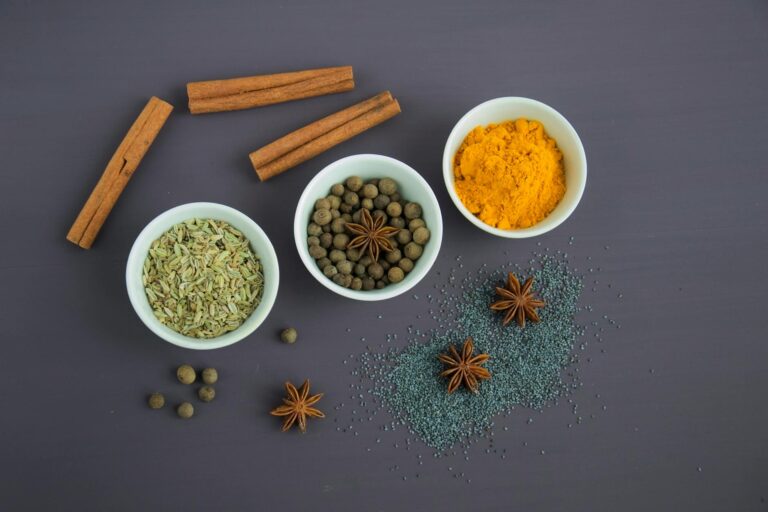
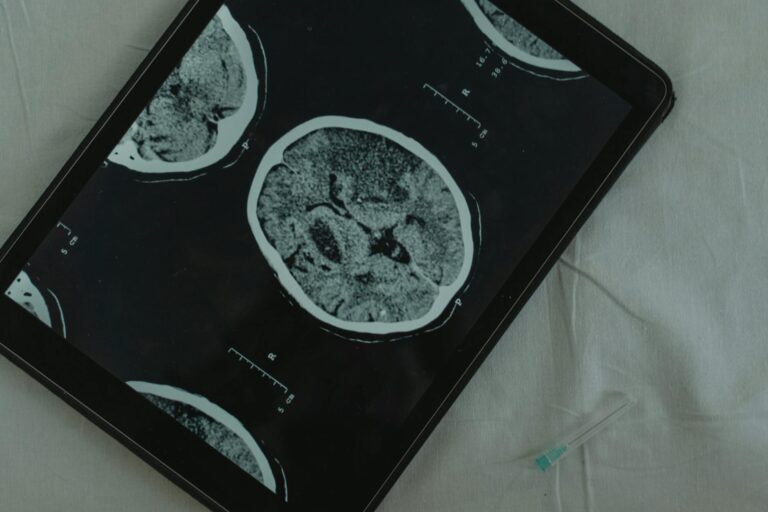
Among the many natural substances being explored for Alzheimer’s disease prevention, one plant extract that has recently regained attention is **fenugreek leaf extract**. This “forgotten” botanical, long used in traditional medicine but overlooked in modern research until now, shows promising neuroprotective properties that could help slow or prevent the progression of Alzheimer’s.
Fenugreek (Trigonella foenum-graecum) is a herbaceous plant whose leaves and seeds have been used for centuries in cooking and folk remedies. What makes fenugreek leaf extract particularly interesting to scientists studying Alzheimer’s is its multifaceted ability to combat key pathological features of the disease through natural compounds with antioxidant, anti-inflammatory, and enzyme-inhibiting effects.
Alzheimer’s disease involves complex brain changes including accumulation of amyloid-beta plaques (especially Aβ-42 fibrils), oxidative stress damaging neurons, inflammation within brain tissue, and disruptions in neurotransmitter systems like acetylcholine. Fenugreek leaf extract appears to target several of these mechanisms simultaneously:
– **Antioxidant activity:** The extract reduces oxidative stress by neutralizing harmful free radicals that damage brain cells over time. This helps protect neurons from degeneration.
– **Inhibition of acetylcholinesterase:** By blocking this enzyme which breaks down acetylcholine—a neurotransmitter critical for memory and cognition—fenugreek helps maintain higher levels of acetylcholine in the brain. This supports better communication between nerve cells.
– **Reduction of amyloid-beta aggregation:** Studies show fenugreek compounds can interfere with formation and deposition of toxic Aβ-42 fibrils that are hallmark features driving neuronal death in Alzheimer’s.
– **Anti-inflammatory effects:** Chronic inflammation worsens neurodegeneration; fenugreek’s bioactive molecules help dampen inflammatory responses within neural tissues.
Experimental models using fruit flies genetically modified to express human Alzheimer-like symptoms demonstrated that feeding them fenugreek leaf extract delayed cognitive decline and improved motor functions such as climbing ability. These flies also lived longer compared to controls not given the extract. Biochemical tests confirmed reduced markers linked to oxidative damage, enzyme activities associated with Alzheimer’s progression (acetylcholinesterase and monoamine oxidase), as well as lower caspase activity which relates to cell death pathways.
Molecular docking studies further revealed how certain components within fenugreek energetically favor binding interactions that inhibit both acetylcholinesterase function and amyloid-beta aggregation — providing a mechanistic basis for its protective effects at a molecular level.
Beyond fenugreek, other plant extracts are also under investigation due to their potential roles against Alzheimer’s-related processes:
– Extracts from *Solanum trilobatum* have shown strong anti-glycation properties—preventing harmful sugar-protein crosslinks implicated in aging brains.
– *Angelica sinensis* extracts inhibit self-clumping of amyloid fragments significantly.
– *Clerodendrum indica* exhibits potent anti-inflammatory actions by reducing pro-inflammatory cytokines relevant to neurodegeneration.
These findings highlight an emerging paradigm where multiple natural products rich in polyphenols or other bioactive phytochemicals may collectively target different aspects driving Alzheimer’s pathology: oxidative stress reduction, inhibition of toxic protein aggregates formation, modulation of enzymes affecting neurotransmitters, plus calming chronic inflammation inside the nervous system.
One well-known compound often discussed alongside these newer candidates is resveratrol—a polyphenol found mainly in grapes—which activates protective cellular pathways like sirtuins involved in longevity while also reducing amyloid burden experimentally. However promising resveratrol is mechanistically; challenges remain regarding its delivery into the brain due to poor bioavailability.
Fenugreek leaf extract offers an intriguing alternative or complementary approach because it combines multiple beneficial activities naturally present together rather than relying on a single isolated molecule alone. Its traditional use combined with modern scientific validation opens doors toward developing accessible preventive strategies based on dietary supplements or functional foods enriche