The estrogen cream you are looking for is low-dose vaginal estrogen — a topical treatment that delivers estradiol or conjugated estrogens directly to vaginal tissue at doses 75 to 90 percent lower than oral hormone therapy, resulting in negligible systemic absorption. Unlike pills or patches that flood the entire body with hormones, vaginal estrogen creams like Estrace (0.01% estradiol) and Premarin Vaginal Cream (0.625 mg conjugated estrogens per gram) stay where they are applied, relieving dryness, burning, and painful intercourse without meaningfully raising estrogen levels in the bloodstream. For the millions of postmenopausal women dealing with these symptoms — and for families navigating dementia care, where communication about discomfort is already difficult — this distinction matters enormously.
The condition these creams treat, genitourinary syndrome of menopause or GSM, affects an estimated 25 to 84 percent of postmenopausal women in the United States. That is a staggering range, and the wide spread reflects how often GSM goes unreported, misdiagnosed, or simply endured in silence. Women living with cognitive decline are particularly vulnerable, as they may not be able to articulate the irritation and urinary problems that GSM causes, leaving caregivers to interpret behavioral changes that could easily be attributed to dementia progression rather than a treatable physical condition. This article covers how vaginal estrogen works locally without significant systemic effects, the FDA-approved products currently available, a major February 2026 FDA decision that removed boxed warnings from certain hormone therapy products, what the safety data actually shows, and what all of this means for women with dementia or at elevated dementia risk.
Table of Contents
- How Does Vaginal Estrogen Cream Work Without Affecting the Rest of Your Body?
- The February 2026 FDA Decision and What It Means for Vaginal Estrogen
- Why This Matters for Women With Dementia or at Dementia Risk
- Comparing the FDA-Approved Vaginal Estrogen Options
- When Vaginal Estrogen May Not Be Appropriate
- What Caregivers Should Know About Applying Vaginal Estrogen
- Where Vaginal Estrogen Research Is Heading
- Conclusion
- Frequently Asked Questions
How Does Vaginal Estrogen Cream Work Without Affecting the Rest of Your Body?
When estrogen is taken orally, it passes through the digestive system and liver before entering the bloodstream, exposing the heart, brain, breasts, and uterus to elevated hormone levels. Vaginal estrogen takes a completely different route. Applied directly to vaginal tissue, it is absorbed locally by estrogen receptors in the vaginal walls, urethra, and surrounding pelvic structures. The dose is so low — products have been shown effective at doses as small as 4 micrograms — that only trace amounts reach the bloodstream, not enough to produce the systemic effects that made hormone therapy controversial in the first place. Think of it like applying a medicated ointment to a cut on your hand versus swallowing a pill that sends medication to every organ in your body.
The vaginal tissue gets exactly what it needs to rebuild thickness, moisture, and elasticity, while the rest of the body remains largely unaffected. A review of 2,983 women exposed to vaginal estrogen products for up to one year found only one case of endometrial cancer (0.03 percent) and twelve cases of hyperplasia (0.4 percent) — rates that are essentially background noise, not a signal of systemic estrogen exposure. This local-only mechanism is why vaginal estrogen has always occupied an awkward regulatory space. It was grouped with systemic hormone therapies for labeling purposes, carrying the same stern warnings about heart attacks, strokes, and cancer, even though the pharmacology is fundamentally different. For years, those warnings scared women and their doctors away from a treatment that could have meaningfully improved quality of life. That regulatory mismatch finally began to change in early 2026.
The February 2026 FDA Decision and What It Means for Vaginal Estrogen
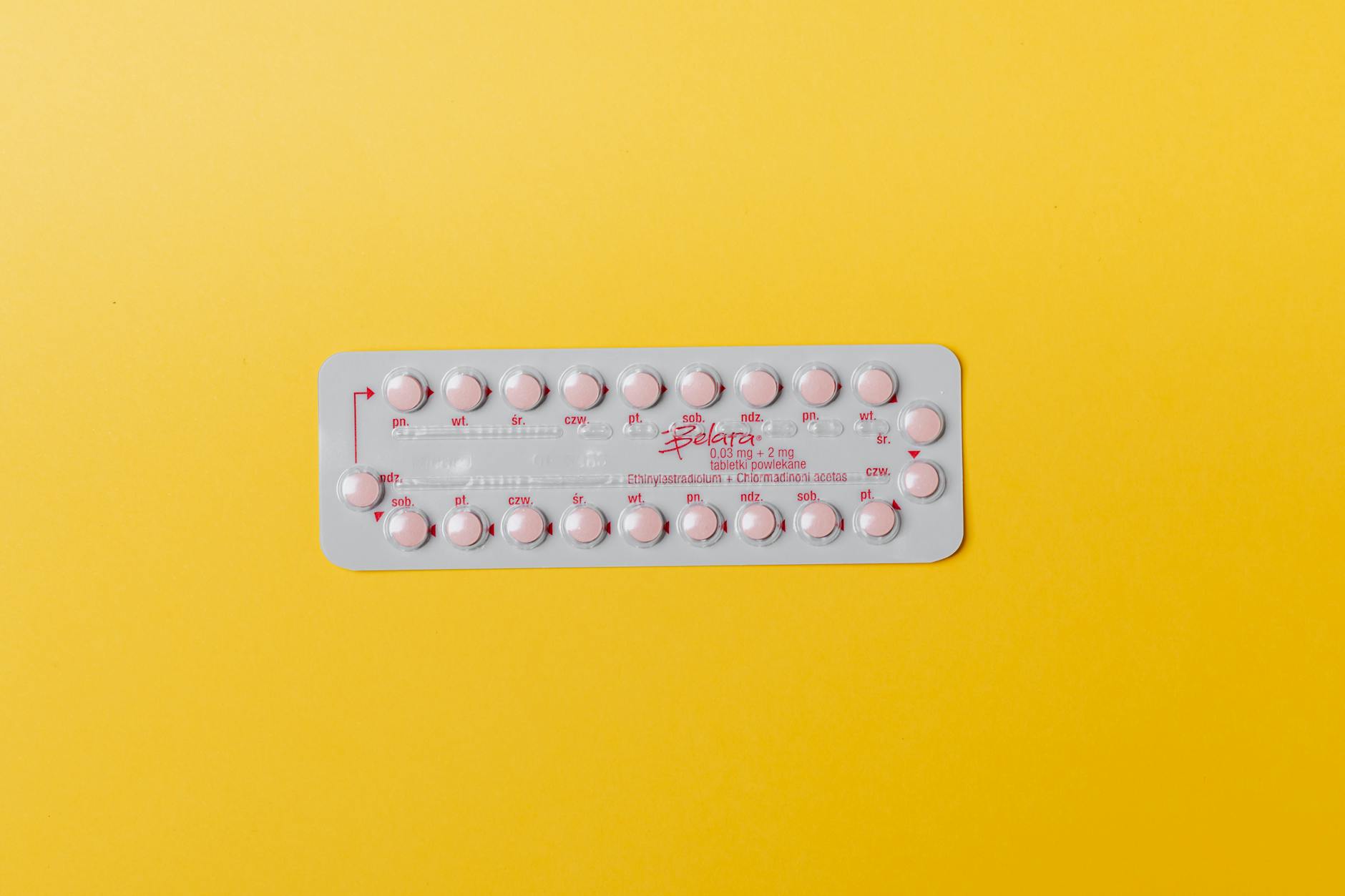
On February 12, 2026, the FDA approved label changes for six menopausal hormone therapy products, removing the boxed warnings — the most serious type of drug warning, often called “black box” warnings — related to cardiovascular disease, breast cancer, and probable dementia. Estring, a vaginal estrogen ring, was among the six products that had its boxed warning removed. The other five were Prometrium, Divigel, Cenestin, Enjuvia, and Bijuva. The FDA’s reasoning was straightforward: vaginal estrogen does not carry the same risks of stroke, blood clots, or cancer as systemic hormone therapy because only minimal amounts are absorbed into the bloodstream. The Menopause Society commented favorably on the announcement, and the American Urological Association also noted the significance of removing the black box warning from low-dose vaginal estrogen products. For clinicians who had been prescribing vaginal estrogen despite the warnings, this was validation.
For the many doctors who had hesitated to prescribe it because of those warnings, this was permission. However, this decision does not mean all estrogen products are now considered equally safe. The endometrial cancer warning for systemic estrogen-alone products in women with a uterus remains firmly in place. And the label change applied to specific products — not to the entire category of vaginal estrogen. Women should not interpret this news as a green light to use any hormone therapy without medical guidance. The change is narrower and more specific than headlines may suggest, and individual risk factors, including personal and family history of hormone-sensitive cancers, still need to be evaluated by a physician.
Why This Matters for Women With Dementia or at Dementia Risk
The intersection of vaginal estrogen and brain health is worth examining carefully. The old boxed warnings on vaginal estrogen products included a warning about “probable dementia,” based on data from the Women’s Health Initiative Memory Study. That study looked at oral conjugated estrogens, not vaginal estrogen, in women aged 65 and older. Applying those findings to a low-dose topical cream that barely enters the bloodstream was always scientifically questionable, and the FDA’s 2026 label change effectively acknowledged that. For women already living with dementia, GSM symptoms can create a cascade of problems. Vaginal irritation and recurrent urinary tract infections — both hallmarks of GSM — cause discomfort that a person with moderate to advanced dementia may not be able to describe.
Instead, the discomfort may manifest as agitation, resistance to care, sleep disruption, or increased confusion. Caregivers and clinicians sometimes respond with behavioral interventions or medications for agitation when the actual problem is untreated vaginal atrophy. A simple vaginal estrogen cream, applied two to three times per week after an initial loading period, can resolve the underlying issue. Recurrent UTIs deserve special attention here. Urinary tract infections are a well-documented trigger for sudden worsening of confusion in older adults, sometimes called delirium superimposed on dementia. Vaginal estrogen has been shown to reduce the frequency of recurrent UTIs by restoring the vaginal microbiome and lowering vaginal pH, which helps beneficial lactobacilli outcompete pathogenic bacteria. For a woman with Alzheimer’s disease who keeps ending up in the emergency room with UTIs and acute confusion, vaginal estrogen may be one of the most impactful and least invasive interventions available.

Comparing the FDA-Approved Vaginal Estrogen Options
Not all vaginal estrogen products are creams, and the differences between formulations matter for adherence, especially in dementia care settings. Estrace Vaginal Cream delivers 0.1 mg of estradiol per gram of cream and requires a measured applicator dose. Premarin Vaginal Cream uses conjugated equine estrogens at 0.625 mg per gram. Both are effective but require the user or a caregiver to handle an applicator, which can be messy and may present challenges for women with limited dexterity or cognitive impairment. Vagifem is a vaginal tablet inserted with a slim applicator — less messy than creams but still requiring some manual coordination. Imvexxy is a vaginal softgel insert, small and relatively easy to place.
Estring is a flexible ring inserted into the vagina every 90 days, which has the significant advantage of being a set-it-and-forget-it option. For a woman in a memory care facility, where staff must administer treatments, Estring’s three-month dosing interval reduces the burden on caregivers compared to a cream that may need to be applied several times a week. The tradeoff is that rings can occasionally be dislodged or removed by a confused patient, and reinsertion requires either the patient or a healthcare provider. Cost is another consideration. Generic estradiol cream is widely available and relatively affordable with insurance. Imvexxy and Estring, as branded products, may carry higher copays. For families already managing the enormous financial burden of dementia care, a generic cream applied by a caregiver may be the most practical choice, even if a ring would theoretically be more convenient.
When Vaginal Estrogen May Not Be Appropriate
Despite the favorable safety profile, vaginal estrogen is not universally recommended without caveats. Women with a history of estrogen receptor-positive breast cancer face the most complicated decision. Many oncologists have historically advised against any form of estrogen, including vaginal, in breast cancer survivors. The 2026 FDA label changes do not specifically address this population, and the data on vaginal estrogen in breast cancer survivors remains limited and somewhat conflicting. Some studies suggest the systemic absorption is too low to be clinically meaningful, but others urge caution, particularly in women taking aromatase inhibitors, which work by suppressing estrogen to near-zero levels.
Women experiencing unexplained vaginal bleeding should not begin vaginal estrogen until the cause has been evaluated, as bleeding can be a sign of endometrial pathology that estrogen could worsen. Similarly, vaginal estrogen should not be used as a substitute for systemic hormone therapy in women who need relief from hot flashes, night sweats, or other vasomotor symptoms — it simply does not deliver enough estrogen to the bloodstream to address those issues. For women with advanced dementia who cannot participate in the decision, the choice to initiate vaginal estrogen typically falls to a healthcare proxy or family caregiver in consultation with a physician. This is a conversation worth having proactively rather than waiting for recurrent UTIs or visible signs of vaginal discomfort to force the issue. Comfort-focused care in dementia should include attention to genitourinary health, even though it rarely makes the standard care plan checklist.
What Caregivers Should Know About Applying Vaginal Estrogen
If you are a caregiver helping a loved one use vaginal estrogen cream, a few practical points matter. The typical regimen involves daily application for one to two weeks, then tapering to two or three times per week for maintenance. The cream is applied intravaginally using a measured-dose applicator, usually at bedtime to minimize leakage.
Wearing a thin pad overnight can help with any residual cream. For caregivers in assisted living or memory care facilities, it is worth confirming that vaginal estrogen is included in the medication administration record and that staff are trained and willing to apply it. Topical vaginal treatments can sometimes fall through the cracks in institutional settings because they are not oral medications and may not be part of the standard medication pass. Advocating for its inclusion in the care plan — and periodically verifying it is actually being administered — can make a real difference in a resident’s comfort and UTI frequency.
Where Vaginal Estrogen Research Is Heading
The February 2026 FDA announcement may be the beginning of a broader reassessment of how low-dose vaginal estrogen is regulated and prescribed. Researchers continue to study ultra-low-dose formulations, and the success of products effective at doses as low as 4 micrograms suggests there may be room to go even lower while still providing symptom relief.
There is also growing interest in whether vaginal estrogen, by reducing recurrent UTIs and the delirium episodes they trigger, could play a small but meaningful role in slowing functional decline in older women with dementia — not by protecting the brain directly, but by preventing the repeated metabolic insults that infections cause. The removal of the black box warning from Estring is likely to increase prescribing rates and may prompt further studies with larger sample sizes, giving researchers better data on long-term safety in populations that were previously underrepresented in clinical trials, including women over 80 and women with cognitive impairment. For now, the evidence supports what many clinicians have long believed: vaginal estrogen is one of the most effective and least risky treatments available for a condition that affects the majority of postmenopausal women, and the regulatory framework is finally catching up to the science.
Conclusion
Low-dose vaginal estrogen cream is the menopausal treatment that works where it is needed without meaningfully affecting the rest of the body. With doses 75 to 90 percent lower than oral hormone therapy, negligible systemic absorption confirmed in studies of nearly 3,000 women, and a major 2026 FDA decision removing black box warnings from products like Estring, the evidence is clear that this category of treatment has been overcautioned for years. For women with dementia or at dementia risk, vaginal estrogen addresses real quality-of-life issues — chronic discomfort, recurrent UTIs, and the behavioral disruptions they cause — without the systemic risks that made hormone therapy a source of fear. If you are a caregiver or family member of a postmenopausal woman with cognitive decline, raise this topic with her physician.
Ask whether vaginal estrogen could reduce UTI frequency, improve comfort, and prevent the acute confusion episodes that infections trigger. It is a conversation that costs nothing and could spare your loved one significant suffering. The science supports it. The FDA now supports it. The only remaining barrier is making sure the women who need it most are not overlooked.
Frequently Asked Questions
Does vaginal estrogen cream increase the risk of breast cancer?
Current evidence indicates that low-dose vaginal estrogen results in negligible systemic absorption and does not significantly raise blood estrogen levels. However, women with a history of estrogen receptor-positive breast cancer should discuss the risks and benefits with their oncologist, as guidance for this specific population remains nuanced and individualized.
Can vaginal estrogen help prevent urinary tract infections in older women?
Yes. Vaginal estrogen restores vaginal tissue health and helps reestablish a healthy vaginal microbiome, which reduces the colonization of bacteria that cause UTIs. This is particularly relevant for women with dementia, in whom recurrent UTIs can trigger episodes of acute confusion or delirium.
Is a prescription required for vaginal estrogen?
Yes. All FDA-approved vaginal estrogen products — including Estrace cream, Premarin cream, Estring, Vagifem, and Imvexxy — require a prescription from a healthcare provider.
Did the FDA say vaginal estrogen is completely safe?
Not exactly. The February 2026 FDA action removed boxed warnings from specific products, including the vaginal estrogen ring Estring, based on evidence that these products do not carry the same cardiovascular and cancer risks as systemic hormone therapy. This is not a blanket safety endorsement. Individual medical history still matters, and the endometrial cancer warning for systemic estrogen-alone products in women with a uterus remains in place.
How often does vaginal estrogen cream need to be applied?
Typically, it is applied daily for one to two weeks as a loading dose, then reduced to two or three times per week for ongoing maintenance. The exact schedule depends on the product and the prescribing physician’s recommendation.
What is the best vaginal estrogen option for a woman in a memory care facility?
Estring, the vaginal ring replaced every 90 days, offers the least frequent dosing and does not require repeated applicator use. However, it can occasionally be dislodged by a confused patient. For many care settings, a cream or tablet applied by trained staff two to three times per week is a practical and effective alternative.