When your doctor hands you a prescription for nothing stronger than advice to “try some Tylenol,” your pharmacist becomes the most important person in your pain management team. The drug pharmacists most commonly recommend when physicians are restrictive with pain prescriptions is naproxen sodium, sold over the counter as Aleve. Its twelve-hour duration of relief per dose makes it the standout choice for sustained pain control without a prescription, and both the American Academy of Orthopaedic Surgeons and the American College of Rheumatology endorse it for osteoarthritis pain. For older adults managing dementia alongside chronic pain, this distinction matters enormously — undertreated pain accelerates cognitive decline, worsens behavioral symptoms, and erodes quality of life in ways that often get misattributed to the dementia itself. But the landscape is shifting in ways that deserve attention.
A first-in-class non-opioid prescription painkiller called Journavx (suzetrigine) received FDA approval on January 30, 2025 — the first new category of oral pain medication in over twenty years. It works through an entirely different mechanism than opioids and carries no addiction risk. Meanwhile, opioid prescriptions have plummeted 52% since 2012, dropping from 260.5 million to 125.7 million in 2024, according to the AMA’s 2025 report on substance use. That decline has left roughly 50 million American adults living with chronic pain caught between the opioid crisis response and the reality of their daily suffering. This article covers what pharmacists actually recommend when prescriptions fall short, how each option compares for brain health, and what the arrival of Journavx means for people navigating pain alongside cognitive concerns.
Table of Contents
- Why Are Pharmacists Filling the Gap When Doctors Underprescribe Pain Medication?
- Naproxen Sodium vs. Acetaminophen — What Pharmacists Recommend and Why It Matters for Brain Health
- Journavx — The First Non-Opioid Prescription Painkiller in Two Decades
- How to Talk to Your Pharmacist About Pain Management for Someone With Dementia
- The Hidden Danger of Undertreated Pain in Dementia Patients
- The Projected Impact of Replacing Opioids With Safer Alternatives
- What Comes Next for Pain Management in Dementia Care
- Conclusion
- Frequently Asked Questions
Why Are Pharmacists Filling the Gap When Doctors Underprescribe Pain Medication?
Pharmacists have become what drug Topics calls “the most accessible players on any healthcare team” for pain management, and it is not hard to see why. You can walk into any pharmacy without an appointment, without a copay, and without waiting six weeks for availability. Over 80% of community pharmacists express strong confidence in advising patients on over-the-counter analgesics, according to a 2024 study published through the National Institutes of Health. They routinely counsel on non-pharmacological alternatives alongside medication options and know when to triage a patient back to a physician. For dementia caregivers especially, this accessibility is critical — a person with moderate Alzheimer’s disease cannot always articulate what hurts or wait weeks for a specialist appointment. The underprescribing problem is real and documented. Research published in Frontiers in Pain Research in 2025 found that undertreated acute pain increases the risk of it becoming chronic, which in turn raises the risk of illicit opioid misuse and overdose.
As of January 1, 2025, Medicare Part D automatically triggers a care-coordination alert when a patient’s opioid dosage reaches 90 morphine milligram equivalents per day, requiring pharmacist-prescriber confirmation before continuing. These safeguards are important, but they have created a population of patients — many of them elderly — whose legitimate pain goes unaddressed. The AMA Journal of Ethics has highlighted the importance of pharmacist-physician collaboration in managing this gap, particularly during care transitions like hospital discharges or moves into assisted living. What makes pharmacists particularly valuable here is their willingness to have the conversation in the first place. Only about one-third of pharmacist-patient encounters result in a specific OTC medication recommendation. The rest involve discussing non-drug approaches — heat therapy, gentle exercise, positioning techniques — or referring the patient back to their doctor with specific language to advocate for better treatment. That kind of nuanced guidance is not something you get from reading the back of a box.
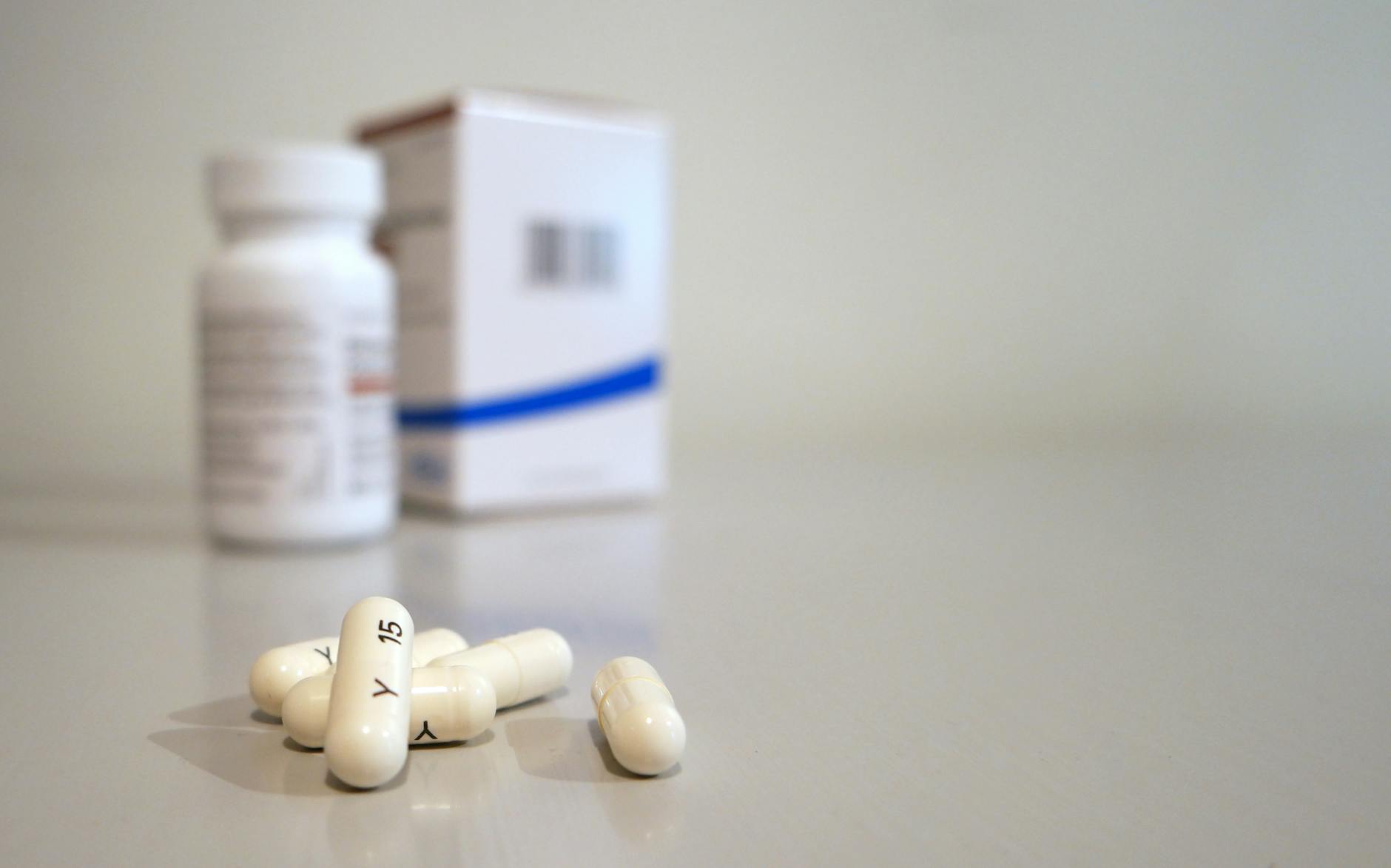
Naproxen Sodium vs. Acetaminophen — What Pharmacists Recommend and Why It Matters for Brain Health
Pharmacists do not recommend naproxen sodium arbitrarily. The choice comes down to pharmacology. A single dose of naproxen lasts up to twelve hours, compared to four to six hours for ibuprofen. For someone with dementia who cannot reliably tell a caregiver when the pain returns, or who resists taking pills, fewer doses per day means more consistent relief with less struggle. The Pharmacy Times has published multiple clinical reviews supporting OTC naproxen sodium as a strong nonopioid pain relief option, noting its favorable duration-of-action profile. Acetaminophen remains the first-line OTC analgesic pharmacists recommend for many patients because it causes less stomach irritation than NSAIDs like naproxen or ibuprofen. This matters for elderly patients who may already be on blood thinners, corticosteroids, or other medications that increase gastrointestinal risk.
According to MedlinePlus and US Pharmacist, acetaminophen is generally safe when taken at appropriate doses, making it the default starting point. However, if a patient’s pain involves inflammation — arthritis, post-surgical swelling, injury — acetaminophen does not address that mechanism at all. It reduces pain perception but does nothing for the underlying inflammatory process. That is where naproxen earns its edge. The limitation that rarely gets discussed: NSAIDs like naproxen carry cardiovascular and renal risks that increase with age. For a 78-year-old with vascular dementia who already has compromised kidney function and elevated blood pressure, long-term daily naproxen use may create problems that outweigh the pain relief. This is precisely the situation where a pharmacist’s recommendation should come with the caveat to discuss ongoing use with a physician. Eighty-three percent of Americans used an OTC pain reliever in the past year, and 15% reported daily use, according to a National Consumers League survey — but daily use without medical oversight is where things go sideways, especially in the elderly.
Journavx — The First Non-Opioid Prescription Painkiller in Two Decades
On January 30, 2025, the fda approved Journavx (suzetrigine), developed by Vertex Pharmaceuticals, marking the first genuinely new class of oral pain medication in over twenty years. Unlike opioids, which dampen pain signals by flooding the brain’s reward system, suzetrigine works by selectively blocking NaV1.8 sodium channels in the peripheral nerves that transmit pain signals. The result is pain relief that does not produce euphoria, does not cause respiratory depression, and carries no addiction risk. For families already watching a loved one lose cognitive ground to dementia, eliminating the risk of opioid-induced confusion and sedation is not a minor convenience — it is a fundamental shift in what safe pain management can look like. Consider a real-world scenario: an 82-year-old woman with moderate Alzheimer’s falls and fractures her wrist. In the past, her options were essentially acetaminophen (often insufficient for fracture pain) or an opioid (which would accelerate her confusion, increase fall risk, and potentially trigger delirium).
Journavx offers a middle path — prescription-strength pain relief without the cognitive penalty. UCHealth has described it as a “long-awaited” treatment precisely because this gap has existed for decades without a viable solution. However, Journavx has meaningful limitations right now. Its list price is $15.50 per tablet, with a cash price of approximately $477 to $657 for thirty tablets without insurance. A commercial insurance copay card can bring out-of-pocket costs down to as low as $30, but that does not help the Medicare population, which makes up the majority of dementia patients. Availability has also been a challenge — according to Medfinder’s 2026 update, many chain pharmacies have not yet built consistent ordering patterns for the drug, and no generic version exists. Asking a dementia caregiver to call around to multiple pharmacies to track down a new medication is not a trivial burden.

How to Talk to Your Pharmacist About Pain Management for Someone With Dementia
The conversation with your pharmacist should be specific, not general. Do not say “my mother is in pain.” Say “my mother has moderate Alzheimer’s, she’s on donepezil and a low-dose aspirin, she has osteoarthritis in both knees, and she’s been grimacing and guarding her left side for three days.” The more context you provide, the more targeted the pharmacist’s recommendation will be. Pharmacists factor in drug interactions, existing conditions, and practical considerations like whether the patient can swallow large tablets or needs a liquid formulation. The tradeoff between naproxen and acetaminophen becomes particularly sharp in dementia care. Acetaminophen at 650 milligrams every six hours is the conservative, lower-risk path — no stomach bleeding risk, no kidney strain, no blood pressure elevation.
But it may simply not be enough for moderate to severe pain, and a person with dementia who remains in pain often becomes agitated, combative, or withdrawn in ways that get treated with antipsychotics rather than better analgesia. Naproxen’s longer duration means more consistent pain control with twice-daily dosing, but it requires monitoring kidney function and blood pressure. Ibuprofen sits in between — the most frequently used OTC pain reliever at 57% usage in survey data — but its shorter duration means more frequent dosing and more opportunities for missed or double doses in a confused patient. If your pharmacist suggests asking the prescribing physician about Journavx, take that recommendation seriously. Pharmacists increasingly serve as the bridge between over-the-counter options that are not sufficient and prescription options that physicians may not have considered. The AMA Journal of Ethics has emphasized that this kind of pharmacist-physician collaboration is exactly what good pain management should look like, especially during transitions of care.
The Hidden Danger of Undertreated Pain in Dementia Patients
Undertreated pain in people with dementia is one of the most common and least recognized problems in elder care. A person who cannot clearly say “my back hurts” may instead refuse to eat, start hitting caregivers during transfers, stop sleeping, or withdraw into apparent depression. Research from Frontiers in Pain Research confirms that undertreated acute pain increases the risk of it becoming chronic — and chronic pain in a dementia patient compounds every behavioral and cognitive symptom already present. The tragedy is circular: pain makes dementia symptoms worse, worsened symptoms make pain harder to identify, and the patient deteriorates in ways that everyone attributes to disease progression rather than fixable suffering. The opioid prescribing decline, while important for public health, has hit this population especially hard.
Nearly 20 million Americans live with pain that interferes with daily life, and elderly patients with cognitive impairment are disproportionately likely to be in that group while simultaneously being the least able to advocate for themselves. A caregiver who notices pain behaviors should not wait for a scheduled doctor’s visit. Walking into the pharmacy with a clear description of what is happening is a legitimate and often faster first step. The warning here is straightforward: do not assume that behavioral changes in dementia are always “just the disease.” Pain is treatable. Agitation caused by an aching hip is treatable. The cost of missed pain — in suffering, in unnecessary sedating medications, in caregiver burnout — is enormous and largely preventable.

The Projected Impact of Replacing Opioids With Safer Alternatives
The numbers behind non-opioid alternatives are striking. A 2025 study published through Taylor and Francis modeled what would happen if just 10% of new opioid prescriptions from 2025 through 2039 were replaced with non-opioid alternatives. The result: 323,000 fewer cases of opioid use disorder and 11,000 fewer overdose deaths.
Scaling that replacement to 25% would prevent 808,000 cases of opioid use disorder and 27,000 overdose deaths over the same period. For dementia families, these are not abstract public health statistics. Every one of those prevented opioid use disorder cases is a patient who did not develop the cognitive fog, the constipation, the fall risk, and the dependency that opioids bring — problems that are devastating for anyone but catastrophic for someone already losing cognitive function. The arrival of Journavx and the growing confidence of pharmacists in guiding pain management represent a shift that is genuinely relevant to how dementia care will look in the next decade.
What Comes Next for Pain Management in Dementia Care
The pharmacist’s role in pain management is only going to expand. As medications like Journavx become more widely available and potentially more affordable through future generic competition or Medicare coverage adjustments, pharmacists will increasingly serve as the frontline decision-makers helping families navigate options. Community pharmacists already routinely counsel patients on non-pharmacological alternatives alongside OTC options — techniques like topical menthol patches, warm compresses, and guided movement that can supplement or sometimes replace oral medications.
The broader shift matters too. The medical system is slowly moving away from a binary model where pain is treated with either nothing or opioids. The space between those extremes — where naproxen, acetaminophen, topical NSAIDs, and now suzetrigine all live — is exactly where most dementia patients’ pain should be managed. Pharmacists understand that space better than almost anyone in the healthcare system, and they are available without an appointment, a referral, or a three-week wait.
Conclusion
When doctors underprescribe for pain, your pharmacist is not just a backup plan — they are often the most practical and informed resource available. Naproxen sodium remains the go-to OTC recommendation for its twelve-hour duration and anti-inflammatory properties, while acetaminophen serves as the safer starting point for patients with cardiovascular or renal concerns. For moderate to severe acute pain, Journavx represents a genuine breakthrough as the first non-opioid prescription analgesic approved in over two decades, though its cost and limited pharmacy availability remain real barriers in 2026.
For dementia caregivers, the stakes of getting pain management right are higher than for almost any other population. Untreated pain drives behavioral symptoms that erode quality of life for everyone involved, and it does so in ways that mimic disease progression. Talk to your pharmacist with specifics — the medications your loved one takes, the behaviors you are seeing, the limitations you are working around. That conversation may be the most productive ten minutes you spend on your loved one’s care this month.
Frequently Asked Questions
Is naproxen sodium safe for elderly patients with dementia?
Naproxen can be effective for many elderly patients, but it carries risks of gastrointestinal bleeding, kidney strain, and elevated blood pressure that increase with age. Short-term use under pharmacist or physician guidance is generally safer than long-term daily use. Always disclose all current medications, especially blood thinners and corticosteroids, before starting naproxen.
Can a pharmacist prescribe Journavx?
No. Journavx (suzetrigine) is a prescription medication that must be prescribed by a physician, nurse practitioner, or physician assistant. However, your pharmacist can help you understand the drug, check for interactions, and provide guidance on talking to your prescriber about whether it is appropriate.
How do I know if a dementia patient is in pain if they cannot tell me?
Look for behavioral cues: grimacing, guarding a body part, resisting movement or care, changes in appetite, increased agitation or aggression, disrupted sleep, and withdrawal. These signs are often mistaken for worsening dementia when pain is the actual driver. Several validated tools exist for assessing pain in non-verbal patients, including the PAINAD scale.
Is acetaminophen or naproxen better for arthritis pain?
For osteoarthritis with active inflammation — swelling, warmth, stiffness — naproxen is generally more effective because it addresses both pain and inflammation. Acetaminophen only addresses pain perception. However, acetaminophen is safer for patients with kidney disease, heart failure, or those taking blood thinners. Your pharmacist can help you weigh these tradeoffs based on the full medication list.
How much does Journavx cost without insurance?
The cash price for Journavx runs approximately $477 to $657 for thirty tablets at $15.50 per tablet. With a commercial insurance copay card from Vertex Pharmaceuticals, the out-of-pocket cost can drop to as low as $30 per fill, with a maximum benefit of $1,000 per fill covering up to 61 tablets. Medicare patients do not currently benefit from the manufacturer copay card.
Should I stop giving OTC pain relievers if my loved one starts Journavx?
Do not make that decision independently. Your pharmacist and prescribing physician should coordinate on whether OTC analgesics should continue alongside Journavx. In some cases, combining a low dose of acetaminophen with Journavx may be appropriate; in others, the prescription medication alone may be sufficient. Never layer medications without professional guidance.