Reviewed by the Help Dementia Editorial Team — our editors review every article for accuracy against guidance from the National Institute on Aging, the Alzheimer’s Association, and peer-reviewed sources.
Dementia prevention sits at the center of this dementia and brain health question.
Neurologists have a consistent message for their patients: dementia prevention isn’t about a single miracle treatment or pill. It’s about a checklist of fourteen modifiable lifestyle factors that, when addressed together, could potentially prevent up to 45% of dementia cases globally. This isn’t theoretical speculation—it comes from the Lancet Commission 2024 report, which synthesized decades of research into a practical framework that medical professionals wish more people would follow. A 58-year-old woman who worked with her neurologist to address hypertension, hearing loss, and physical inactivity saw measurable improvements in cognitive function within months, not years.
The stakes are real: approximately 50 million people currently live with dementia worldwide, and a new case is diagnosed every three seconds. What makes this checklist different from other health advice is that it’s organized by life stage—early life, midlife, and late life—recognizing that different risk factors matter at different points in your life. The fourteen factors range from the obvious (exercise, not smoking) to the ones patients often overlook (vision loss, social isolation, hearing loss). This article walks you through the complete checklist that neurologists recommend, explains why each factor matters, and provides concrete steps for addressing them. You don’t need to be perfect in all fourteen areas to see benefit; even addressing several of the major ones can meaningfully reduce your dementia risk.
Table of Contents
- What Are the Fourteen Modifiable Risk Factors That Neurologists Focus On?
- Managing Cardiovascular Health as Your Primary Defense Against Dementia
- Physical Activity as Cognitive Insurance That Works Even After Memory Problems Begin
- Hearing Loss, Vision Loss, and Sensory Care as Often-Overlooked Prevention Steps
- Depression, Traumatic Brain Injury, and Smoking—Three High-Risk Factors Requiring Professional Help
- Social Connection and Cognitive Engagement as Late-Life Armor Against Decline
- New Developments in Early Detection and the Future of Dementia Prevention
- Conclusion
- Frequently Asked Questions
What Are the Fourteen Modifiable Risk Factors That Neurologists Focus On?
The Lancet Commission identified fourteen factors under three life stages that influence dementia risk. Early life focuses on one factor: achieving adequate education. Midlife is where most of the action happens—eight factors cluster here: hearing loss, hypertension, obesity, physical inactivity, depression, traumatic brain injury, smoking, diabetes, excessive alcohol consumption, and high LDL cholesterol. Late life adds three more: social isolation, air pollution exposure, and vision loss. Together, these factors account for approximately 45% of dementia risk that can theoretically be prevented, making them far more actionable than genetic factors you cannot change.
What’s striking about this framework is how interconnected the factors are. A person with untreated hearing loss often withdraws socially, which then increases late-life isolation—one risk factor creating another. Someone with hypertension (high blood pressure) who doesn’t exercise has compounding risks. A patient who quits smoking but develops depression may still be at increased risk. The checklist works because addressing one factor often creates momentum for addressing others. For example, starting a regular walking routine addresses physical inactivity, can improve blood pressure, helps manage weight, and provides social contact if done with others.

Managing Cardiovascular Health as Your Primary Defense Against Dementia
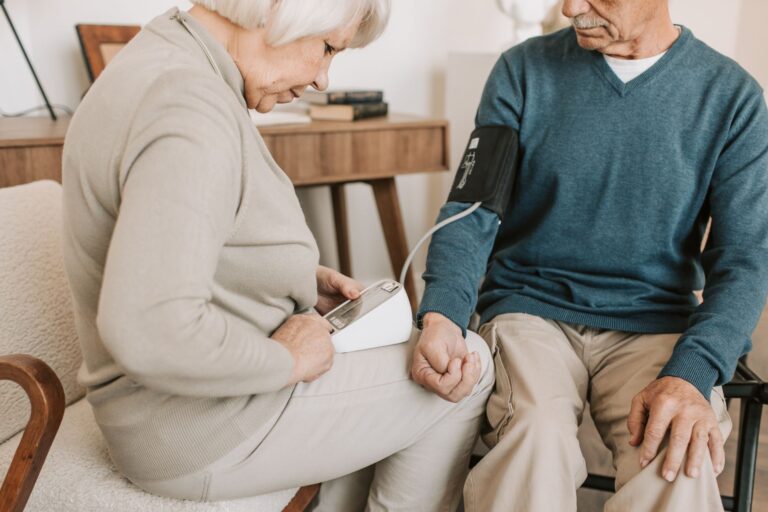
Blood pressure control is the single most powerful cardiovascular intervention neurologists emphasize. The target is a systolic blood pressure of 130 mm Hg or lower during midlife. Why is this specific number so important? Because high blood pressure alone is associated with a 42% higher dementia risk, making it one of the most significant modifiable factors. A 55-year-old accountant discovered his blood pressure was consistently running at 145 mm Hg; after working with his primary care doctor to adjust medications and reduce sodium intake, his pressure came down to 125 mm Hg, and his memory complaints—which he’d attributed to aging—significantly improved within six months.
However, achieving this target isn’t as simple as taking medication and forgetting about it. The most effective approach combines three strategies: medication management (if needed), dietary changes (reducing sodium, increasing potassium-rich foods), and stress reduction. The limitation here is that some patients develop side effects from blood pressure medications that affect cognition or energy—if this happens to you, discuss with your doctor rather than stopping medication; different medications within the same class often have different side effect profiles. Additionally, if you have very low blood pressure naturally, the 130 mm Hg target may not apply to you; this is why individual consultation with your neurologist or cardiologist matters more than following a population-wide target blindly.
Physical Activity as Cognitive Insurance That Works Even After Memory Problems Begin
The evidence for exercise in dementia prevention is among the strongest for any single intervention. Neurologists recommend 150 to 300 minutes of moderate aerobic activity weekly—roughly 30 to 60 minutes most days of the week. This isn’t about becoming an athlete; it’s about sustained, moderate-intensity movement: brisk walking, cycling, swimming, or dancing where you can talk but not sing. Research from Yale Medicine shows that exercise improves and maintains memory even after cognitive problems have begun, meaning it’s never too late to start seeing benefits. A 72-year-old retired teacher who had noticed early memory struggles started walking 45 minutes daily with a friend.
Within three months, her family noticed she was sharper, her mood had lifted, and her sleep quality improved. The mechanism appears to involve multiple pathways: increased blood flow to the brain, reduction of inflammation, improved cardiovascular health, and better sleep quality. The practical limitation is that many older adults have joint pain, balance issues, or other conditions that limit their exercise capacity. If this applies to you, water aerobics, tai chi, and chair-based exercises provide proven cognitive benefits with lower injury risk. The key is consistency and finding something sustainable rather than forcing yourself into an exercise program you’ll abandon after four weeks.

Hearing Loss, Vision Loss, and Sensory Care as Often-Overlooked Prevention Steps
Hearing loss ranks among the most consequential yet most neglected dementia risk factors. The evidence is compelling enough that hearing aids appear to reduce the excess dementia risk from untreated hearing loss, according to the Lancet Commission research. Many patients delay getting hearing aids for years—some due to cost, others due to stigma or denial.
A 68-year-old businesswoman resisted hearing aids for nearly a decade despite her audiologist’s recommendations; once she finally got them, she noticed not only did conversations with her spouse become enjoyable again, but her focus at bridge club improved, and her family commented that she seemed “more present.” Vision loss in late life presents a similar pattern: it’s preventable through regular eye exams and treatment of conditions like glaucoma and macular degeneration, yet many older adults skip eye appointments. The connection between sensory loss and dementia likely works through multiple mechanisms—reduced environmental engagement, social withdrawal, and possibly direct effects on brain aging. A comparison worth noting: hearing aids and vision correction are often considered optional quality-of-life improvements, but the dementia prevention research repositions them as medical interventions with cognitive consequences. If cost is a barrier, many communities offer hearing aid subsidies or free screenings through aging services; don’t let financial concerns alone prevent you from addressing hearing loss.
Depression, Traumatic Brain Injury, and Smoking—Three High-Risk Factors Requiring Professional Help
Depression in midlife is an independent dementia risk factor that many people treat as separate from brain health. Yet depression management is part of the neurologist’s dementia prevention checklist. A 60-year-old woman with a lifelong pattern of depression began cognitive decline earlier than expected; her neurologist attributed this partly to the cumulative burden of untreated depression on the brain. Once she began working with a psychiatrist on medication and therapy, her cognitive function stabilized. The warning here is that self-diagnosis and self-treatment of depression are insufficient—you need professional evaluation to ensure you’re getting appropriate treatment.
Traumatic brain injury (TBI) is another factor with a protective intervention: preventing head injuries through helmet use during biking, contact sports, and activities with fall risk. A 52-year-old cyclist who didn’t initially see the relevance of dementia prevention to his hobby realized after reading the research that his daily bike commute without a helmet was introducing unnecessary dementia risk. Smoking carries dual dementia risk: the direct neurotoxic effects and the vascular damage that reduces blood flow to the brain. Smoking cessation is never too late—your dementia risk begins improving as soon as you quit, even if you’ve smoked for decades. However, if you struggle with smoking, medication support (bupropion, varenicline) and counseling have evidence for success; willpower alone often fails, so use evidence-based treatment.

Social Connection and Cognitive Engagement as Late-Life Armor Against Decline
Social isolation in late life is a critical risk factor that neurologists increasingly view as a major threat to brain health. The mechanism involves both direct effects on brain aging and indirect effects through depression and reduced cognitive stimulation. A 75-year-old widower who had become increasingly isolated found that volunteering at a local food bank twice weekly—which combined physical activity, social interaction, cognitive engagement (organizing, problem-solving), and sense of purpose—showed marked cognitive improvement within months. This single intervention addressed multiple risk factors simultaneously.
Cognitive engagement through reading, learning new skills, puzzles, or mentally demanding hobbies appears protective. The distinction worth noting is between passive activities (watching television) and interactive engagement (learning a language, playing bridge, attending classes). Research from Yale Medicine emphasizes that engaging hobbies maintained throughout life predict better cognitive outcomes than passive entertainment. If you’re limited by mobility or health issues, virtual community groups, online learning platforms, and video calls with family members provide similar cognitive and social benefits to in-person activities.
New Developments in Early Detection and the Future of Dementia Prevention
The landscape of dementia prevention is shifting rapidly with advances in early detection. Blood-based biomarkers are being refined to detect Alzheimer’s disease and dementia years before symptoms appear, allowing for earlier intervention. The World Dementia Council Summit 2026 is emphasizing prevention, long-term monitoring, and continuity of care as critical priorities.
What this means for patients is that in the coming years, you may be able to get a blood test that identifies Alzheimer’s pathology in your brain before you notice any memory problems, allowing you to intensify prevention efforts at the optimal window. The shingles vaccine offers an unexpected bonus in dementia prevention—a 2024 study found it reduces dementia risk by 20% over a seven-year period. This finding, while specific to one vaccine, illustrates how infection prevention may play a role in brain health, opening new research directions. The combination of better early detection, expanding vaccination strategies, and the well-established checklist of lifestyle factors means dementia prevention is transitioning from hope to actionable medicine.
Conclusion
The neurologist’s dementia prevention checklist is neither complicated nor expensive—it involves standard health management practices that benefit your overall health whether or not dementia is your specific concern. The fourteen modifiable factors, organized by life stage, provide a framework for understanding where your prevention efforts should focus. Key priorities across all ages include managing blood pressure to 130 mm Hg or lower, accumulating 150 to 300 minutes of weekly physical activity, addressing hearing and vision loss, managing depression, avoiding smoking and excessive alcohol, and in late life, prioritizing social connection and cognitive engagement. The most important step is to start where you are and with what’s most actionable for you.
You don’t need to overhaul your entire life or achieve perfection in all fourteen areas. Addressing your three to four biggest risk factors—whether that’s blood pressure and hearing loss, or exercise and social engagement—can meaningfully reduce dementia risk. Schedule a conversation with your primary care doctor or neurologist about which factors are most relevant for you, and create a plan that feels sustainable. Dementia prevention isn’t about living perfectly; it’s about living intentionally in ways that protect your brain across decades.
Frequently Asked Questions
Is it too late to start dementia prevention if I’m already 70 or 80?
No. Research shows that addressing risk factors like physical activity, blood pressure, hearing loss, and social isolation benefits cognition at any age. Some interventions (like exercise) can improve memory even after cognitive decline has begun. The best time to start was years ago; the second-best time is today.
Do I need to do all fourteen factors to see dementia risk reduction?
No. The research suggests that 45% of dementia cases could be prevented if all fourteen factors were addressed across populations. Addressing even three to four major factors—particularly cardiovascular health, physical activity, and sensory care—provides measurable risk reduction. Consistency matters more than perfection.
Should I get tested for Alzheimer’s biomarkers even if I have no memory problems?
This is an emerging area where guidelines are still developing. If you have a strong family history of Alzheimer’s or early-onset dementia, discussing biomarker testing with your neurologist may be warranted. For most people without symptoms, the focus should remain on addressing the fourteen modifiable factors. As these blood tests become more refined and widely available, recommendations may shift.
If I have a family history of dementia, does that mean prevention won’t help?
Family history increases risk, but it doesn’t determine your destiny. Family members often share lifestyle factors as well as genes. Addressing the modifiable factors is especially important if you have genetic risk because it helps offset that inherited predisposition. Some neurologists recommend more aggressive targeting of these factors if you have significant family history.
Which single factor should I prioritize if I can’t address everything at once?
Blood pressure management and regular physical activity are the two factors with the broadest evidence for dementia risk reduction and the most profound benefits for overall health. If you have hearing loss, that’s equally important to address. Start with whichever factor is most actionable for your situation—consistency beats perfect planning.
Does the shingles vaccine prevent dementia?
The vaccine appears to reduce dementia risk by 20% over a seven-year period based on recent research. It doesn’t directly prevent dementia, but it appears to reduce the dementia risk associated with shingles infection. If you’re over 50, discussing shingles vaccination with your doctor makes sense for multiple health reasons, including this emerging cognitive benefit.
You Might Also Like
- The Dementia Prevention Checklist That Neurologists Wish Every Patient Would Follow
- How Vascular Dementia Can Be Prevented With the Same Steps That Prevent Heart Disease
- How Vascular Dementia Can Be Prevented With the Same Steps That Prevent Heart Disease
For more, see CDC — Alzheimer’s and Dementia.