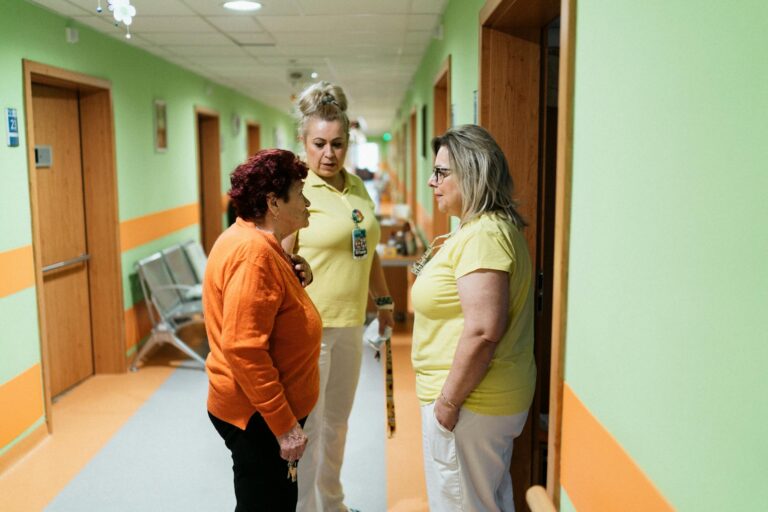
More than six million Americans are currently living with Alzheimer’s disease, and that number is projected to nearly double by 2050, according to the Alzheimer’s Association. Behind each diagnosis stands a network of family members, friends, and professional caregivers who provide an estimated 18 billion hours of unpaid care every year. The economic value of that informal caregiving exceeds $339 billion annually, yet the personal cost — measured in physical exhaustion, emotional strain, financial hardship, and social isolation — is often invisible to the wider world. If you are reading this guide, there is a strong chance you are already part of that caregiving network, or you are preparing to become one. This guide exists to serve as the single most comprehensive caregiving resource on this site. It covers every critical dimension of Alzheimer’s and dementia caregiving, from understanding what the role actually demands day to day, to managing medications, navigating behavioral changes, protecting the safety of your loved one at home, and knowing when the time has come to explore professional facility care.
Each section is grounded in current clinical evidence and practical wisdom drawn from decades of caregiving research. Where a topic warrants deeper exploration, you will find links to specialized articles across this site that address those subjects in greater detail. Dementia caregiving is not a single task. It is an evolving relationship with a disease that changes the person you love and, inevitably, changes you. The early stages may involve gentle reminders and calendar management. The middle stages often bring communication breakdowns, safety hazards, and behavioral symptoms that test the limits of patience.
The later stages require hands-on physical care that rivals what trained nurses provide in clinical settings. No one is fully prepared for this progression, but education and planning make a measurable difference. Research published in the Journal of the American Geriatrics Society has shown that caregivers who receive structured training and ongoing support report lower levels of depression, delayed institutionalization of their loved ones, and better overall quality of life for everyone involved. Whether you are newly stepping into a caregiving role, managing the middle stages of the disease, or facing difficult decisions about long-term placement, this guide is designed to meet you where you are. Read it in full or navigate to the sections most relevant to your current situation. The goal is not to make caregiving easy — it rarely is — but to make it more informed, more sustainable, and more compassionate.
What This Guide Covers
- Understanding the Caregiver Role in Dementia
- Daily Care Routines for Alzheimer’s Patients
- Communication Strategies That Actually Work
- Managing Behavioral Changes and Difficult Moments
- Medication Management and Medical Appointments
- Safety Considerations for Home-Based Dementia Care
- Caregiver Stress, Burnout, and Self-Care
- When to Transition to Professional or Facility Care
- Financial and Legal Planning for Caregivers
- Building a Support Network
- Conclusion
- Frequently Asked Questions
Understanding the Caregiver Role in Dementia
The role of a dementia caregiver is unlike almost any other responsibility a person will take on in a lifetime. It combines elements of nursing, social work, financial management, crisis intervention, and emotional support — often without formal training in any of these areas. According to the Alzheimer’s Association’s 2024 Facts and Figures report, approximately 60 percent of dementia caregivers rate the emotional stress of caregiving as high or very high, and roughly one-third report symptoms of depression. Understanding the scope of this role from the outset is not a luxury; it is a necessity for survival. At its most basic level, dementia caregiving means ensuring that a person whose cognitive abilities are declining can continue to live with safety, dignity, and the highest possible quality of life. In the early stages, this may look like helping with finances, driving to medical appointments, and monitoring medication adherence. As the disease progresses, caregiving expands to include assistance with activities of daily living such as bathing, dressing, eating, and toileting.
In the later stages, caregivers often provide total physical care, including turning and repositioning to prevent pressure sores, managing feeding tubes or thickened liquids, and monitoring for signs of pain in a person who can no longer verbally report it. What distinguishes dementia caregiving from caring for someone with a purely physical illness is the relentless cognitive and behavioral dimension. A person with dementia may not recognize their caregiver. They may resist care because they do not understand what is happening. They may become agitated, suspicious, or combative — not out of malice, but because the disease has damaged the brain regions responsible for reasoning, impulse control, and emotional regulation. Caregivers must learn to interpret behaviors as communication, to remain calm in the face of confusion and hostility, and to grieve the incremental losses that accumulate over months and years. It is also important to recognize that the caregiver role is not static.
It changes as the disease progresses, and it changes as the caregiver’s own health, resources, and support systems shift. A plan that works in the early stages may become untenable within a year. Flexibility, self-awareness, and a willingness to ask for help are not signs of weakness — they are the hallmarks of effective caregiving. For a broad overview of the care settings and support options available at every stage, see Assisted Living, Nursing Homes, Memory Care and Home Attendants for Dementia. Finally, caregivers should understand that they are not alone, even when it feels that way. An estimated 11.5 million Americans currently serve as unpaid dementia caregivers. Local Area Agencies on Aging, the Alzheimer’s Association 24/7 Helpline (1-800-272-3900), and disease-specific organizations offer resources, respite referrals, and peer support groups.
Accepting help early and often is one of the single most protective factors against caregiver burnout.
Daily Care Routines for Alzheimer’s Patients
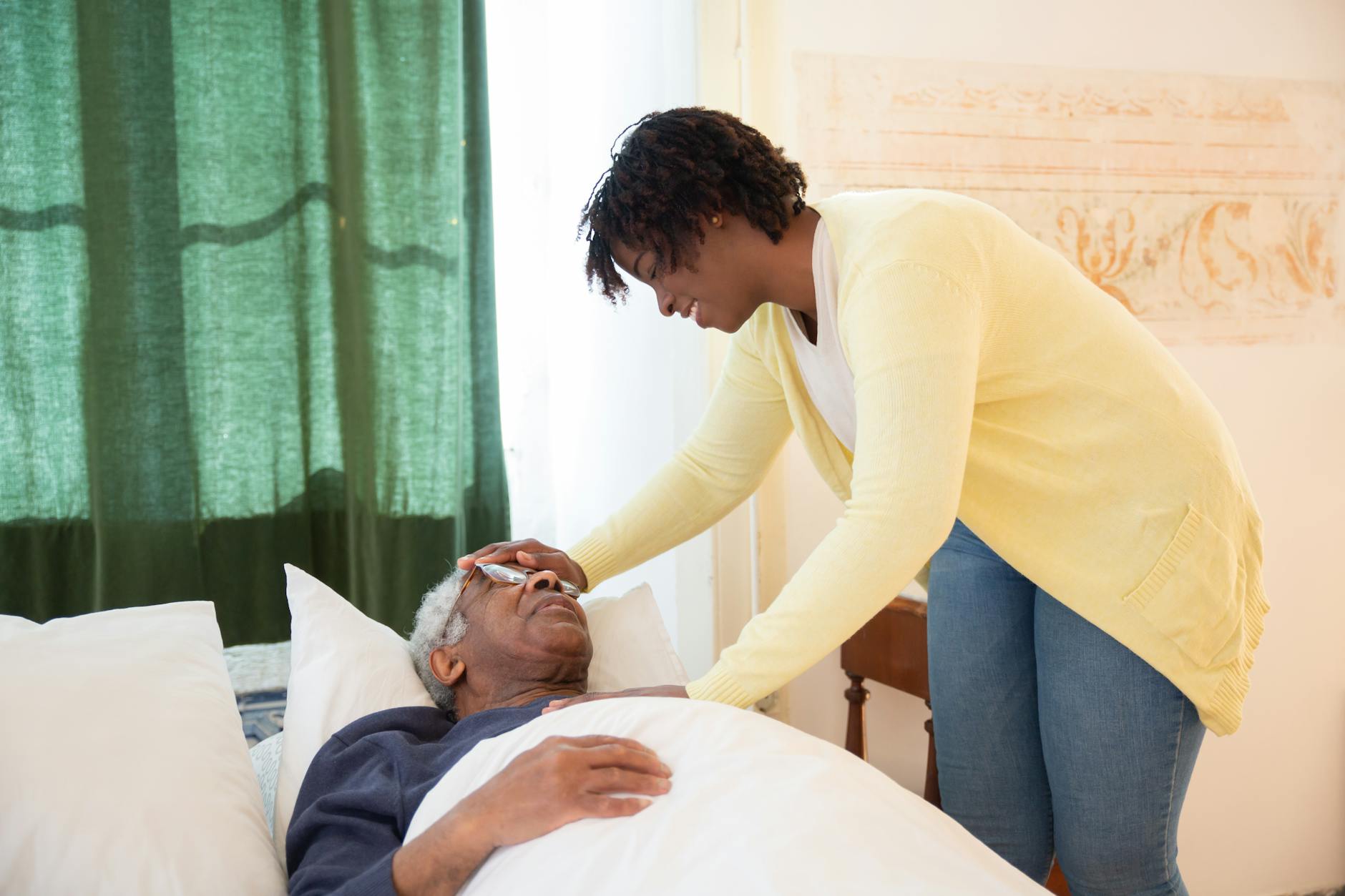
Structure is one of the most powerful tools in dementia care. A consistent daily routine reduces confusion, minimizes behavioral disturbances, and provides a sense of security for a person whose internal sense of time and sequence is deteriorating. Research from the Cleveland Clinic and other major academic centers consistently shows that predictable routines lower cortisol levels and agitation in people with dementia, making each day more manageable for both the person receiving care and the caregiver providing it. A well-designed daily routine for someone with Alzheimer’s disease typically follows the same general sequence: morning hygiene and dressing, breakfast, a structured morning activity, lunch, a rest period, an afternoon activity, dinner, a calming evening routine, and bedtime. The specific content of each block matters less than the consistency. If your loved one always had coffee before getting dressed, keep that sequence. If they were a lifelong early riser, do not try to shift their schedule to accommodate yours.
Working with the person’s existing habits and preferences, rather than against them, reduces resistance and preserves a sense of autonomy. Morning care often presents the first challenge of the day. Bathing can be frightening for someone with dementia who may not understand why a stranger — or even a family member they do not recognize — is removing their clothes. Practical strategies include warming the bathroom beforehand, using a handheld showerhead to give the person more control, offering simple two-choice options (“Do you want the blue towel or the white towel?”), and narrating each step calmly. If a full bath provokes extreme distress, a sponge bath on alternate days is a medically acceptable compromise that preserves dignity and hygiene. Mealtimes require their own set of adaptations. As dementia progresses, a person may forget how to use utensils, lose the ability to recognize hunger, or develop swallowing difficulties that increase the risk of aspiration.
Serving meals at the same time each day, using high-contrast plates to help food stand out visually, offering finger foods when utensil use becomes difficult, and sitting with the person during meals to model eating behavior are all evidence-supported approaches. A speech-language pathologist can evaluate swallowing safety and recommend appropriate food textures when dysphagia becomes a concern. Meaningful activities throughout the day are essential for reducing restlessness and preserving remaining cognitive abilities. These do not need to be elaborate. Folding towels, sorting buttons by color, looking through photo albums, listening to music from the person’s younger years, or taking a supervised walk around the yard all qualify. The key is to match the activity to the person’s current ability level so they experience success rather than frustration. Programs such as structured book discussion groups have also shown promise in keeping residents engaged and socially connected, as discussed in The Assisted Living “Book Night” That’s Sparking Conversations.
Communication Strategies That Actually Work
Communication breakdown is one of the most distressing aspects of dementia for both the person with the disease and their caregiver. Alzheimer’s disease progressively damages the brain’s language centers, leading to word-finding difficulties, loss of the ability to follow complex sentences, repetition, and eventually an inability to produce or comprehend speech altogether. By the moderate stage of the disease, most people with Alzheimer’s have noticeable difficulty expressing their needs, understanding instructions, and participating in conversations. Yet the need to communicate — to feel heard, to connect, to express discomfort or desire — never disappears. Effective communication with someone who has dementia requires the caregiver to slow down, simplify, and shift from content-focused exchange to connection-focused exchange. Speak in short, clear sentences. Use the person’s name at the beginning of each statement to orient their attention. Ask yes-or-no questions instead of open-ended ones.
Avoid arguing, correcting, or saying “Don’t you remember?” — these responses trigger shame and frustration without improving recall. Instead, validate the person’s emotional state. If your mother insists she needs to pick up her children from school — children who are now in their fifties — the most helpful response is not a factual correction but an empathetic one: “You’ve always been such a devoted mother. Tell me about your children.” Nonverbal communication becomes increasingly important as verbal abilities decline. Facial expressions, tone of voice, body posture, and touch often convey more than words. A calm, warm tone and relaxed posture can de-escalate agitation more effectively than any verbal explanation. For detailed guidance on adapting to this stage, see How caregivers can support nonverbal communication. Learning to read your loved one’s nonverbal cues — a grimace that might signal pain, restlessness that might mean they need the bathroom, pulling at clothing that might indicate discomfort — becomes a critical caregiving skill.
Caregiver stress has a direct and measurable impact on communication quality. When you are exhausted, frustrated, or emotionally depleted, your tone sharpens, your patience shortens, and your ability to engage empathetically declines. The person with dementia often picks up on this tension even when they cannot understand the words, and their own agitation increases in response. This creates a feedback loop where stress breeds poor communication, and poor communication breeds more stress. For a deeper look at this cycle and how to break it, see What caregiver stress does to communication. Environmental modifications can also support better communication. Reduce background noise by turning off the television or radio before speaking. Make sure the room is well-lit so the person can see your face clearly.
Position yourself at eye level rather than standing over them. These simple adjustments reduce the cognitive load on a brain that is already struggling to process information, making it easier for your loved one to understand and respond.

Managing Behavioral Changes and Difficult Moments
Behavioral and psychological symptoms of dementia — including agitation, aggression, wandering, sundowning, paranoia, hallucinations, and sleep disturbances — affect up to 90 percent of people with dementia at some point during the course of the disease, according to research published in the Lancet Neurology. These symptoms are among the primary reasons caregivers seek institutional placement, and they are consistently ranked as more burdensome than the physical demands of caregiving. Understanding what drives these behaviors and having a toolkit of responses is essential. The foundational principle for managing behavioral symptoms is that all behavior is communication. A person with dementia who becomes aggressive during bathing may be cold, frightened, or in pain. Someone who wanders toward the door at 4 p.m.
every day may be responding to a decades-old habit of leaving work at that time. Sundowning — the increase in confusion and agitation that often occurs in the late afternoon and evening — may be linked to fatigue, low lighting, disruption of circadian rhythms, or unmet needs. Before reaching for a behavioral intervention, the first step is always to look for an unmet physical or emotional need: pain, hunger, need for the bathroom, overstimulation, boredom, or fear. Non-pharmacological strategies should always be the first line of response. Redirecting attention to a different activity, offering a comforting object or snack, changing the environment by adjusting lighting or noise levels, using music therapy, or simply stepping back to give the person space can resolve many episodes without escalation. Validation therapy — acknowledging and empathizing with the person’s emotional reality rather than trying to correct their factual errors — has been shown to reduce agitation and improve caregiver-patient relationships.
If your father believes intruders are in the house, checking the locks together and reassuring him that the house is safe addresses his fear without dismissing his experience. When non-pharmacological approaches are insufficient and the person’s safety or the safety of others is at risk, medication may become necessary. This is a decision that should always involve the prescribing physician and should be approached with caution, as many psychotropic medications carry significant risks for older adults with dementia, including increased fall risk, sedation, and in some cases, increased mortality. For a thorough discussion of when and how medications are used, see How to Use Medication to Manage Dementia-Related Aggression and Agitation. Caregivers should also be aware that their own response to difficult behaviors shapes the outcome. Remaining calm, lowering your voice, and avoiding physical confrontation are critical.
If you feel your own anger or frustration rising to a dangerous level, and the person is safe, it is acceptable — and sometimes necessary — to leave the room for a few minutes to collect yourself. No one benefits from a caregiver who is pushed past their breaking point.
Medication Management and Medical Appointments
Medication management is one of the most complex and high-stakes responsibilities in dementia caregiving. A person with moderate to advanced Alzheimer’s disease typically cannot manage their own medications, yet they may be taking multiple prescriptions for the dementia itself, along with treatments for coexisting conditions such as hypertension, diabetes, depression, or chronic pain. The risk of missed doses, double doses, dangerous drug interactions, and adverse side effects is substantial. According to the Centers for Disease Control and Prevention, adverse drug events cause approximately 1.3 million emergency department visits per year among older Americans, and people with cognitive impairment are disproportionately affected. Establishing a reliable medication management system is non-negotiable. This begins with maintaining a complete, current medication list that includes the name, dose, frequency, prescribing physician, and purpose of every medication — including over-the-counter drugs and supplements. Bring this list to every medical appointment.
Use a pill organizer or, for more advanced needs, an automated medication dispenser that provides audible reminders and locks to prevent access to the wrong dose at the wrong time. These devices have been shown to reduce medication errors and ease caregiver burden. For a closer look at how technology is helping, see How Automated Medication Dispensers Are Reducing Caregiver Stress. Drug interactions deserve special attention in dementia care. Cholinesterase inhibitors such as donepezil and rivastigmine can interact with common medications including certain heart drugs, bladder medications, and over-the-counter antihistamines. Some interactions can worsen confusion, increase fall risk, or cause dangerous cardiac effects. Caregivers should ensure that all prescribers are aware of every medication the person is taking and should not hesitate to ask the pharmacist to run an interaction check.
For more on this critical topic, see What caregivers should know about the risks of mixing Alzheimer’s drugs with other prescriptions. Medical appointments themselves require preparation and advocacy. Write down your questions and observations before each visit. Bring a brief written summary of any new symptoms, behavioral changes, falls, or medication issues that have occurred since the last appointment. Do not assume the physician will ask about everything relevant — many office visits are brief, and important concerns can be overlooked. If the person with dementia becomes anxious or uncooperative in medical settings, scheduling appointments for the time of day when they are typically calmest and bringing a familiar comfort item can help. Periodically, it is also worth asking the physician to conduct a thorough medication review to determine whether any prescriptions can be reduced or discontinued.
Deprescribing — the deliberate, supervised reduction of unnecessary medications — is an evidence-based practice that can reduce side effects, lower fall risk, and improve quality of life. As explored in Why is it important to review medications for fall prevention?, this review process plays a direct role in keeping your loved one safer.

Safety Considerations for Home-Based Dementia Care
The majority of people with dementia live at home for most or all of the disease course, and the home environment presents a unique set of safety challenges that evolve as cognitive and physical abilities decline. Falls are the leading cause of injury-related death among adults over 65, and dementia approximately doubles the risk. Wandering — leaving the home without supervision or purpose, often with no ability to find the way back — affects up to 60 percent of people with Alzheimer’s disease at some point and can result in exposure, dehydration, traffic accidents, or death. A comprehensive home safety assessment should be conducted at diagnosis and repeated as the disease progresses. Start with fall prevention: remove loose rugs and electrical cords from walkways, install grab bars in the bathroom and along hallways, ensure adequate lighting throughout the home (especially at night), and consider motion-activated night lights for the path between the bedroom and bathroom. Secure stairways with gates if the person has balance or judgment impairments.
For a detailed room-by-room guide, see Top home safety tips for caring for someone with dementia. Kitchen safety requires particular attention. A person with dementia may forget that they turned on the stove, attempt to eat non-food items, or be unable to judge the temperature of food or water. Stove knob covers or automatic shut-off devices, locked cabinets for cleaning supplies and sharp objects, and a water heater set to no higher than 120 degrees Fahrenheit are basic precautions. Medications, including over-the-counter products, should be stored in a locked location to prevent accidental overdose. Wandering prevention combines physical barriers with technology.
Deadbolts that require a key on both sides, door alarms, camouflaged door coverings (such as a curtain or mural over the door that makes it less recognizable as an exit), and GPS tracking devices worn as a watch or clipped to clothing are all options. The local police department may offer a wandering registry or a Project Lifesaver program that can expedite search-and-rescue if the person does leave the home. Facilities that specialize in dementia care have developed extensive fall prevention protocols, many of which can be adapted for home use. For insights into how professional settings approach this, see Fall Prevention Strategies for Memory Care Residents, and for a broader look at institutional fall prevention, see The fall prevention secrets assisted living facilities don’t tell you. Firearm safety is a topic many families avoid but cannot afford to ignore. A person with impaired judgment and potential paranoia should not have access to firearms.
The safest approach is to remove guns from the home entirely. If that is not possible, they must be locked in a gun safe with ammunition stored separately, and the person with dementia should have no knowledge of or access to the combination or key.
Caregiver Stress, Burnout, and Self-Care
Dementia caregiving exacts a toll that is well-documented in the medical literature. Compared to non-caregivers of the same age, dementia caregivers have higher rates of depression, anxiety, cardiovascular disease, and impaired immune function. A landmark study published in the Journal of the American Medical Association found that elderly spousal caregivers who experienced chronic stress had a 63 percent higher mortality rate than non-caregiving peers over a four-year period. Caregiver burnout is not a character flaw or a sign of insufficient love. It is a predictable physiological and psychological response to chronic, unrelenting stress.
The symptoms of burnout include persistent exhaustion that is not relieved by sleep, emotional numbness or detachment from the person you are caring for, irritability and anger that seem disproportionate to their triggers, withdrawal from friends and activities you once enjoyed, neglect of your own health, and a sense of hopelessness about the future. If you recognize yourself in this description, you are not failing. You are experiencing the natural consequences of a role that was never designed to be performed by one person around the clock without support. Self-care for dementia caregivers must go beyond the superficial advice to “take a bubble bath” or “find time for yourself.” Meaningful self-care includes maintaining your own medical appointments and not canceling them because you cannot leave your loved one, eating regular meals even when you are too tired to cook, getting physical activity even if it is a 15-minute walk while a neighbor sits with your loved one, and having at least one relationship in which you can speak honestly about how hard this is without being judged. Respite care — temporary relief from caregiving responsibilities — is one of the most important and underused resources available.
Respite can take the form of in-home aide services, adult day programs, or short-term stays in assisted living or memory care facilities. Many Area Agencies on Aging offer subsidized respite, and some states have Medicaid waiver programs that cover respite hours. Using respite care is not abandonment. It is a strategy for sustaining a caregiving relationship that might otherwise collapse under the weight of exhaustion. Professional support — including therapy, caregiver support groups, and in some cases, medication for depression or anxiety — should not be treated as a last resort.
Cognitive-behavioral therapy has been shown in randomized trials to reduce depression and improve coping in dementia caregivers. Support groups, whether in person or online, provide validation, practical advice, and the simple but powerful experience of being understood by people who are living the same reality.
When to Transition to Professional or Facility Care
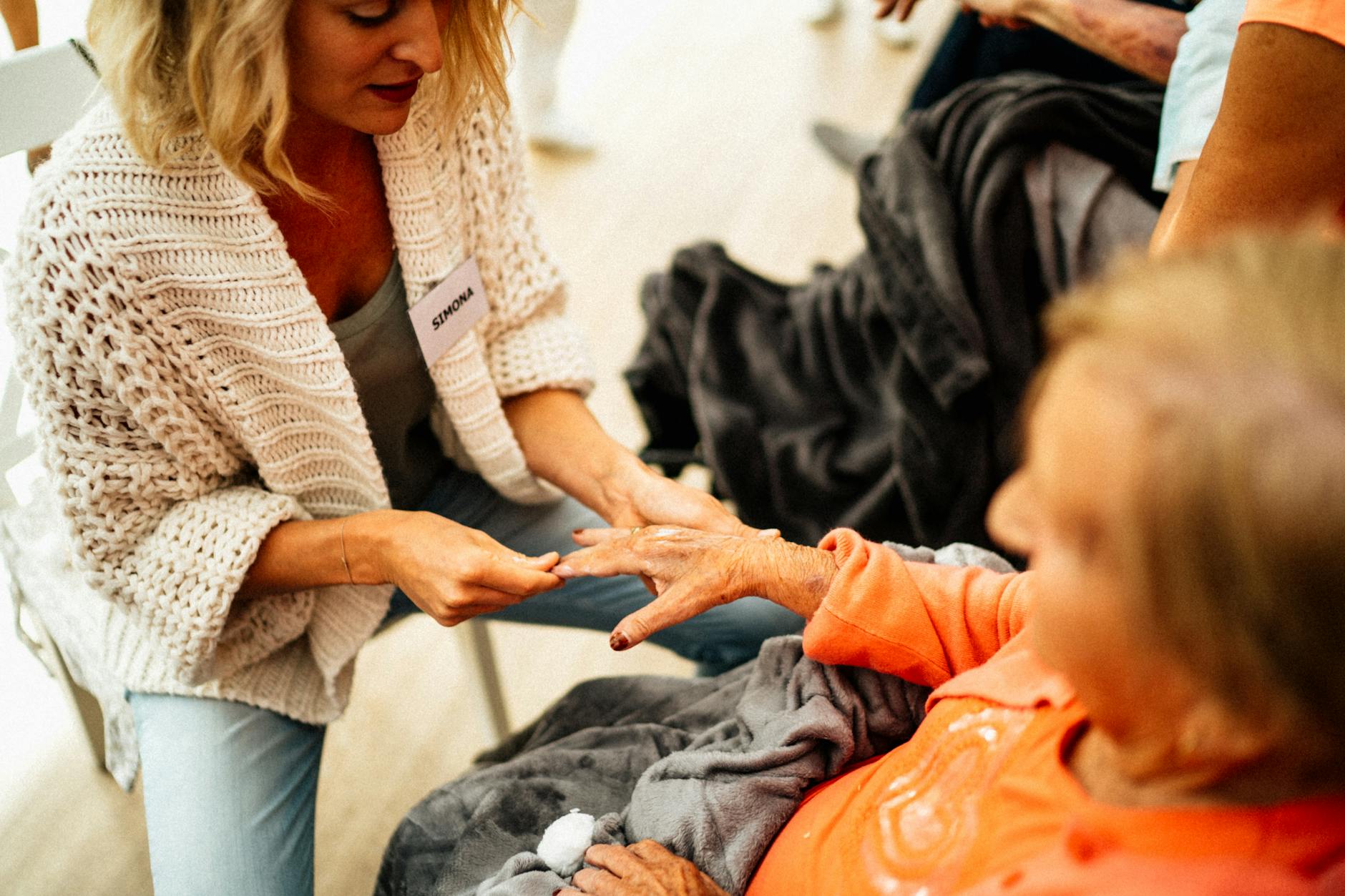
One of the most agonizing decisions a dementia caregiver faces is determining when home-based care is no longer safe, sustainable, or in the best interest of the person with dementia. There is no universal threshold, but there are clear indicators that the time has come to explore professional care options: the person with dementia requires round-the-clock supervision and the caregiver cannot provide it, the person has become physically aggressive and the caregiver is at risk of injury, wandering has become frequent and cannot be safely managed at home, the caregiver’s own health is deteriorating to a dangerous degree, or the level of physical care required (e.g., two-person transfers, complex wound care) exceeds what one person can safely perform. The landscape of professional care options includes several distinct models. Assisted living communities offer help with daily activities in a residential setting that preserves some independence. Memory care units are specialized environments designed specifically for people with dementia, with secured perimeters, higher staff-to-resident ratios, and programming tailored to cognitive impairment. Nursing homes provide the highest level of medical care and are appropriate for people with complex medical needs in addition to dementia.
Home health aides and home attendants bring professional caregiving into the home, which can delay or prevent institutional placement. For a comprehensive comparison, see Assisted Living, Nursing Homes, Memory Care and Home Attendants for Dementia. Understanding the distinction between memory care and standard assisted living is essential when evaluating placement options. Memory care units offer specialized programming, secured environments to prevent wandering, and staff trained specifically in dementia care techniques. Standard assisted living, while providing help with daily activities, may not offer the level of supervision and specialized programming that a person with moderate to advanced dementia requires. For a detailed breakdown, see What is the difference between memory care and assisted living? and Differences between memory care and traditional assisted living.
The trend in recent years has been toward earlier consideration of assisted living and memory care, reflecting both the growing sophistication of these programs and a broader recognition that professional care is not a failure of family obligation. Many families are finding that the structured environment, social engagement, and expert care available in well-run facilities actually improves their loved one’s quality of life compared to what one exhausted caregiver can provide at home. To understand this trend, see Why Families Are Choosing Assisted Living Over Nursing Homes More Than Ever. Recognizing the right moment for this transition is also critical; for guidance on the specific signs to watch for, see When to Move from Assisted Living to Memory Care. Facility innovation is also changing what memory care looks like. Many communities now offer evidence-based programming, person-centered care models, and environmental designs informed by dementia research.
To learn more about these evolving approaches, see How Assisted Living Communities Are Enhancing Memory Care Programs.
Financial and Legal Planning for Caregivers
The financial cost of dementia care is staggering. The Alzheimer’s Association estimates that the total cost of care for people with Alzheimer’s and other dementias in the United States exceeds $360 billion per year, with families bearing a significant portion of that burden through out-of-pocket costs and the economic value of unpaid caregiving. The average annual cost of a private room in a nursing home exceeds $100,000. Memory care in assisted living averages $60,000 to $80,000 per year depending on the region. Even home-based care, when professional aides are involved, can cost $25 to $35 per hour, quickly accumulating into five- or six-figure annual expenses.
Legal planning should begin as soon as possible after a diagnosis, ideally while the person with dementia still has the cognitive capacity to participate in decisions. Essential legal documents include a durable power of attorney for financial matters, a healthcare proxy or durable power of attorney for healthcare, a living will or advance directive specifying the person’s wishes regarding end-of-life care, and an updated will or trust. If these documents are not in place before the person loses legal capacity, the family may need to pursue court-appointed guardianship or conservatorship — a process that is expensive, time-consuming, and emotionally difficult. Understanding payment sources is critical for families facing the long-term costs of dementia care. Medicare covers limited skilled nursing care and does not pay for custodial or long-term care.
Medicaid does cover long-term care, including nursing home care and, in many states, memory care in assisted living through waiver programs, but eligibility is based on both income and assets, and the application process can be complex. For state-by-state guidance on using Medicaid for memory care, see How to Use Medicaid for Memory Care in Assisted Living (State-Specific). Additionally, understanding how Medicaid interacts with prescription drug coverage is important for managing ongoing medication costs; see Medicaid and Prescription Drug Coverage for Dementia Medications. Long-term care insurance, if purchased before the onset of cognitive symptoms, can offset a significant portion of care costs. Veterans and their surviving spouses may be eligible for the VA Aid and Attendance benefit, which provides monthly payments to help cover the cost of in-home or facility-based care.
A certified elder law attorney and a financial planner who specializes in long-term care planning can help families navigate these complex and often overlapping systems. Time is a critical factor: the earlier these conversations happen, the more options are available.

Building a Support Network
No caregiver can do this alone, and no caregiver should try. The research is clear: social isolation is one of the strongest predictors of caregiver burnout, depression, and poor outcomes for both the caregiver and the person with dementia. Building a support network is not a luxury — it is a core caregiving strategy with direct implications for the quality and sustainability of the care you provide. A caregiving support network typically includes three layers. The inner circle consists of immediate family members and close friends who can provide regular, hands-on help — sitting with the person while you attend a medical appointment, helping with meal preparation, or providing overnight coverage so you can sleep. The middle circle includes neighbors, faith community members, and acquaintances who can contribute in smaller but still valuable ways: picking up groceries, mowing the lawn, or simply calling to check in.
The outer circle includes professional resources — physicians, social workers, elder law attorneys, home health agencies, and community organizations that provide expertise and services. Many caregivers report that they receive frequent offers of help but do not know how to accept them. One practical strategy is to maintain a running list of specific tasks that others can do: “Pick up the prescription at the pharmacy on Main Street,” “Stay with Dad from 2 to 4 on Thursday,” “Bring a meal that can be frozen.” When someone says “Let me know if I can do anything,” you can respond with a specific, actionable request. Online caregiving coordination platforms can also help distribute tasks among willing helpers without requiring the primary caregiver to manage every detail. Support groups — both in-person and online — provide a unique form of support that family and friends often cannot. Other dementia caregivers understand the specific grief, frustration, and dark humor that come with this role in a way that outsiders rarely do.
The Alzheimer’s Association, local hospitals, and community centers often sponsor support groups. Many caregivers who initially resist the idea of joining a group later describe it as one of the most valuable resources in their caregiving journey. Finally, if your support network is thin or nonexistent, take deliberate steps to build one. Contact your local Area Agency on Aging for referrals to caregiver support services. Ask the person’s physician for a social work referral. Explore adult day programs, which provide structured activities and supervision for the person with dementia while giving the caregiver several hours of respite.
Research has shown that adult day program participation delays nursing home placement and improves outcomes for both the person with dementia and their caregiver. For additional context on how nursing home residents specifically benefit from structured fall prevention programs and community support, see Can fall prevention programs increase life expectancy in nursing homes?.
Conclusion
Caregiving for a person with Alzheimer’s disease or another form of dementia is one of the most demanding experiences a human being can endure, and it is also one of the most meaningful. This guide has covered the critical domains of the caregiving journey: understanding the role, establishing daily routines, communicating effectively, managing behavioral symptoms, handling medications, ensuring safety, protecting your own health, evaluating care transitions, navigating finances and legal planning, and building a network that sustains you. No single article can fully prepare you for every situation you will encounter, but knowledge is a powerful buffer against the helplessness that so many caregivers feel. The most important takeaway from this guide is that effective dementia caregiving is not about doing everything perfectly. It is about doing the next right thing, moment by moment, with the best information and support available to you.
The disease will progress. Plans will need to change. What was working last month may not work next month. This is not failure — it is the nature of a progressive neurological disease. Your job is not to stop the progression.
It is to ensure that your loved one is as safe, comfortable, and connected as possible at each stage, and to ensure that you survive the journey with your own health and relationships intact. If you remember nothing else, remember this: ask for help before you think you need it, educate yourself continuously, plan for the future while caring for the present, and treat your own well-being as non-negotiable. The person you are caring for needs you to be healthy, rested, and supported. That is not selfishness. It is the foundation on which all good caregiving is built.
Frequently Asked Questions
What is the difference between Alzheimer’s disease and dementia?
Dementia is an umbrella term for a group of symptoms that affect memory, thinking, and social abilities severely enough to interfere with daily life. Alzheimer’s disease is the most common cause of dementia, accounting for 60 to 80 percent of cases. Other causes include vascular dementia, Lewy body dementia, and frontotemporal dementia. The distinction matters because different types of dementia may have different symptoms, progression patterns, and treatment approaches.
How long can a person live after being diagnosed with Alzheimer’s?
On average, a person with Alzheimer’s disease lives four to eight years after diagnosis, though some people live as long as 20 years. Lifespan depends on the person’s age at diagnosis, overall health, and the rate of disease progression. Earlier diagnosis and comprehensive care planning can help maximize quality of life throughout the disease course.
When should I consider placing my loved one in memory care?
Consider memory care when the person requires 24-hour supervision, when wandering or safety issues cannot be managed at home, when behavioral symptoms exceed what a home caregiver can safely handle, or when the caregiver’s own health is at serious risk. For more guidance, see When to Move from Assisted Living to Memory Care and Understanding Memory Care Units in Assisted Living Facilities.
How do I pay for dementia care?
Payment sources include personal savings and assets, long-term care insurance, Medicare (for limited skilled care), Medicaid (for long-term custodial care, subject to income and asset requirements), and Veterans Administration benefits. Consulting an elder law attorney and a financial planner who specializes in long-term care is strongly recommended. For state-specific Medicaid guidance, see How to Use Medicaid for Memory Care in Assisted Living (State-Specific).
What medications are used to treat Alzheimer’s disease?
The most commonly prescribed medications include cholinesterase inhibitors (donepezil, rivastigmine, galantamine) for mild to moderate stages, and memantine for moderate to severe stages. Newer treatments targeting amyloid plaques, such as lecanemab, have received FDA approval for early-stage Alzheimer’s. None of these medications cure the disease, but they may slow symptom progression for a period of time. Medication management requires careful attention to drug interactions, as discussed in What caregivers should know about the risks of mixing Alzheimer’s drugs with other prescriptions.
How do I communicate with someone who can no longer speak?
When verbal communication is no longer possible, focus on nonverbal channels: facial expressions, tone of voice, gentle touch, and body language. Maintain eye contact, speak in a calm and warm tone even if the person cannot understand the words, and observe their nonverbal cues carefully for signs of pain, discomfort, or emotional need. For practical strategies, see How caregivers can support nonverbal communication.
Is aggressive behavior normal in dementia?
Aggressive behavior occurs in a significant proportion of people with dementia at some point during the disease. It is typically driven by fear, pain, confusion, overstimulation, or an inability to communicate needs — not by intentional hostility. Non-pharmacological approaches should be tried first. When aggression poses a safety risk, medication may be warranted under close medical supervision. See How to Use Medication to Manage Dementia-Related Aggression and Agitation for a detailed discussion.
How do I prevent falls at home for someone with dementia?
Key fall prevention strategies include removing tripping hazards such as loose rugs and clutter, installing grab bars in bathrooms and hallways, ensuring adequate lighting throughout the home, reviewing medications for side effects that impair balance, encouraging appropriate footwear, and considering physical therapy to improve strength and balance. For a comprehensive checklist, see Top home safety tips for caring for someone with dementia. In institutional settings, dedicated fall prevention programs have been shown to meaningfully reduce injury rates, as discussed in Why is fall prevention especially important for nursing home residents?.
What is sundowning and how do I manage it?
Sundowning refers to a pattern of increased confusion, agitation, anxiety, or restlessness that typically occurs in the late afternoon or evening. It affects an estimated 20 to 45 percent of people with Alzheimer’s disease. Management strategies include maintaining a consistent daily routine, increasing lighting in the late afternoon, limiting caffeine and sugar, providing calming activities in the evening, and ensuring the person gets adequate physical activity earlier in the day. In some cases, a physician may recommend a low-dose medication to help manage severe sundowning episodes.
How do I take care of myself while caring for someone with dementia?
Prioritize your own medical care, nutrition, sleep, and physical activity. Use respite care services regularly — not just in emergencies. Join a caregiver support group. Seek professional counseling if you are experiencing persistent sadness, anxiety, or anger. Set boundaries and delegate tasks to other family members and friends. Remember that maintaining your own health is not selfish; it is a prerequisite for providing safe, compassionate care over the long term.
Explore More on This Topic
- Assisted Living, Nursing Homes, Memory Care and Home Attendants for Dementia
- The fall prevention secrets assisted living facilities don’t tell you
- How to Use Medication to Manage Dementia-Related Aggression and Agitation
- What caregiver stress does to communication
- How caregivers can support nonverbal communication
- Why is fall prevention especially important for nursing home residents?
- Why Families Are Choosing Assisted Living Over Nursing Homes More Than Ever
- Top home safety tips for caring for someone with dementia
- The Assisted Living “Book Night” That’s Sparking Conversations
- Can fall prevention programs increase life expectancy in nursing homes?
- When to Move from Assisted Living to Memory Care
- What is the difference between memory care and assisted living?
- Understanding Memory Care Units in Assisted Living Facilities
- The Difference Between Memory Care and Assisted Living
- Tell me about memory care assisted living
- Medicaid and Prescription Drug Coverage for Dementia Medications
- How to Use Medicaid for Memory Care in Assisted Living (State-Specific)
- How Assisted Living Facilities Are Innovating in Memory Care
- How Assisted Living Facilities Are Innovating in Memory Care
- How Assisted Living Communities Are Enhancing Memory Care Programs
- Fall Prevention Strategies for Memory Care Residents
- Differences between memory care and traditional assisted living
- Why is it important to review medications for fall prevention?
- What caregivers should know about the risks of mixing Alzheimer’s drugs with other prescriptions
- How Automated Medication Dispensers Are Reducing Caregiver Stress