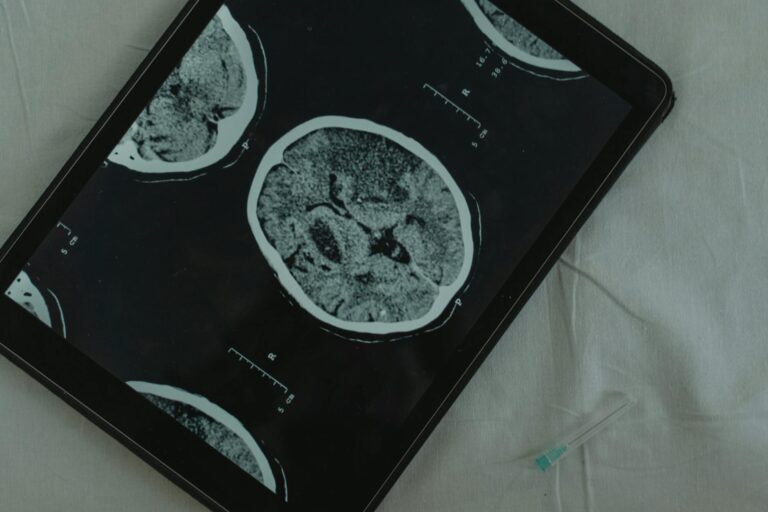
The balance exercise that may lower dementia risk involves a form of **dual-task training**, where you engage both your body and brain simultaneously. This means performing a physical activity that requires balance while also challenging your mind, such as walking while talking, counting backwards, or solving simple puzzles. This combination stimulates multiple brain networks at once, strengthening neural connections and promoting neuroplasticity—the brain’s ability to adapt and form new pathways.
This type of exercise is not just about physical balance but also about cognitive engagement. When you walk and talk or perform a mental task while balancing, your brain must process information, coordinate movement, and maintain focus all at the same time. This mental-physical synergy has been shown to improve memory, attention, problem-solving skills, and walking speed, while also reducing levels of beta-amyloid, a protein linked to Alzheimer’s disease.
Doing these dual-task balance exercises regularly—about 2 to 5 times a week for 30 to 120 minutes per session—can help preserve cognitive skills and physical independence as you age. The key is consistency and gradually increasing the challenge as your skills improve, such as by adding head movements while walking or reducing support from your hands.
Balance exercises alone are powerful, but they work best when combined with other healthy lifestyle choices like a balanced diet, social engagement, and managing chronic conditions such as hypertension and diabetes. Incorporating activities like yoga or tai chi can also enhance balance and provide additional cognitive and physical benefits.
The science behind this is rooted in how physical activity improves brain health: exercise increases blood flow to the brain, delivering oxygen and nutrients that nourish brain cells and clear metabolic waste. It also triggers the release of neurotransmitters like endorphins, serotonin, and dopamine, which support mood, motivation, and cognitive function. Most importantly, exercise stimulates brain-derived neurotrophic factor (BDNF), a protein that encourages the growth and strengthening of neurons, building what is called cognitive reserve—a protective buffer against age-related cognitive decline.
Practicing balance exercises safely is crucial, especially for older adults. Start with simple movements, use assistive devices if needed, and modify exercises to your ability level. Over time, as your balance and confidence improve, you can increase the difficulty by adding mental tasks or reducing physical support.
In essence, the balance exercise that may lower dementia risk is a simple yet powerful habit that trains your body and brain together. It helps keep your memory sharper, your thinking clearer, and your movements steadier, supporting a longer, healthier, and more independent life.