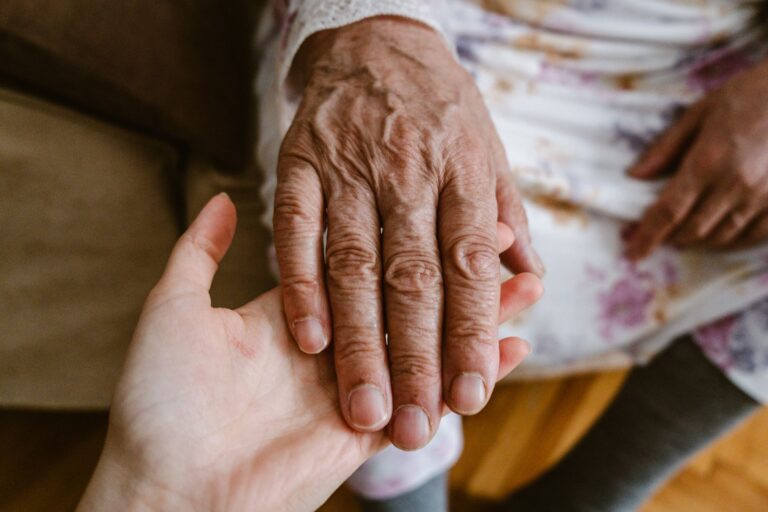
Apple watch sits at the center of this dementia and brain health question.
Apple Watch doesn’t have a single dedicated feature called “dementia tracking,” but it offers a combination of built-in tools and integration with third-party apps that together can effectively monitor older adults with dementia and alert caregivers to potential problems. The Apple Watch’s Health Sharing feature connects seniors with up to five caregivers in real time, sending alerts whenever heart rate irregularities, falls, or activity changes occur through SMS, email, or the Companion app.
When paired with specialized apps like BoundaryCare—designed specifically for Alzheimer’s and dementia care with GPS boundaries and automatic caregiver notifications—the Apple Watch becomes a practical solution for families trying to keep loved ones safe while preserving independence. This article breaks down which Apple Watch features actually work for dementia monitoring, how Health Sharing alerts caregivers to health changes, what third-party apps add beyond Apple’s standard tools, and what the latest research shows about wearables detecting early cognitive decline. We’ll also walk through practical setup steps and important limitations you need to know before relying on an Apple Watch as part of your caregiving plan.
Table of Contents
- Which Apple Watch Features Can Monitor Dementia Patients and Alert Caregivers?
- How Health Sharing Alerts Caregivers to Health Changes in Real Time
- Third-Party Apps That Add Dementia-Specific Monitoring Beyond Apple’s Built-In Tools
- How to Set Up Apple Watch Monitoring for a Family Member with Dementia
- Important Limitations and When an Apple Watch Monitoring Solution Isn’t Enough
- What Recent Research Shows About Smartwatches Detecting Cognitive Decline
- The Future of Apple Watch and Dementia Care Monitoring
- Conclusion
Which Apple Watch Features Can Monitor Dementia Patients and Alert Caregivers?
The most relevant built-in Apple Watch features for dementia monitoring are Fall Detection, Health Sharing, Geofencing (location monitoring), and Blood Pressure Monitoring. Fall Detection works automatically on all recent Apple Watch models—it recognizes hard falls and calls emergency services after 60 seconds of no movement from the wearer, which is critical because older adults with dementia are at higher risk of falling. Health Sharing, introduced in recent watchOS versions, lets you designate up to five family members or caregivers as “health sharers” who receive real-time notifications whenever your loved one’s heart rate becomes irregular, drops below or rises above certain thresholds, or shows significant changes in activity levels.
Blood Pressure Monitoring was added in 2025 to the Apple Watch Series 11, Series 10, Series 9, Ultra 2, and Ultra 3, giving caregivers another vital sign to track for early warning signs of health changes. Geofencing isn’t a native Apple Watch feature by itself, but when paired with Family Setup (which allows caregiver control) and location sharing through the Companion app, caregivers can see where their loved one is and receive alerts if they leave designated safe zones. However, it’s important to note that these features require the person with dementia to wear the watch consistently and have the watch paired with an iPhone—if your loved one is tech-resistant or tends to remove wearables, these tools will have gaps.

How Health Sharing Alerts Caregivers to Health Changes in Real Time
Health Sharing is perhaps the most practical Apple Watch feature for dementia caregiving because it eliminates the need for your loved one to remember to check their health data or contact someone if something’s wrong. Once enabled, the system monitors heart rate, irregular rhythms, activity levels, and workout data, automatically sending alerts to registered caregivers if it detects problems. For example, if your mother with early-stage dementia has atrial fibrillation that you’re monitoring, the Apple Watch can notify you (via the Companion app, email, or SMS) the moment an irregular rhythm is detected, allowing you to take action before a medical emergency occurs.
The limitation here is that Health Sharing only works if the person with dementia has an Apple iPhone and the Apple Watch is set up on their device. If you’re the caregiver, you can view their health data and receive alerts, but you can’t control the watch remotely—your loved one still has the option to ignore alerts or disable notifications. Additionally, Health Sharing relies on the watch being worn consistently and synced to a cellular or Wi-Fi connection; if the battery dies, connectivity drops, or they simply leave the watch at home, you’ll have no visibility into their health or location until it reconnects.
Third-Party Apps That Add Dementia-Specific Monitoring Beyond Apple’s Built-In Tools
While Apple’s native features offer some utility, apps designed specifically for dementia care address gaps in Apple’s standard offering. BoundaryCare is built explicitly for Alzheimer’s and dementia GPS tracking, with features like polygon boundary support (not just simple radius geofencing) and automatic alerts to multiple caregivers when a person with dementia leaves a defined area. Unlike Apple’s basic location sharing, BoundaryCare’s boundaries can map actual safe zones—your loved one’s home, a familiar park, a day care center—and the app sends an immediate notification to all registered family members if they stray beyond those zones, which is invaluable for preventing dangerous wandering situations.
Another option is FallCall™ Lite, a free medical alert app that pairs a senior’s watch with caregiver devices. It requires both the person with dementia and caregivers to install it, but it provides a dedicated emergency button and two-way calling, reducing reliance on the person with dementia remembering to ask for help. The tradeoff is that FallCall Lite adds another app to manage and requires more active setup compared to Apple’s native Health Sharing. For many families, the combination of Apple Watch Health Sharing (for passive health monitoring) and BoundaryCare (for active GPS boundary monitoring) provides more comprehensive coverage than either tool alone.

How to Set Up Apple Watch Monitoring for a Family Member with Dementia
Setting up Health Sharing requires your loved one to own an iPhone and Apple Watch paired to that phone. On the watch, open the Health app, go to Sharing, and select “Share My Data” with specific caregivers—you’ll enter their phone numbers or Apple ID emails, and they’ll receive invitations to accept. Once accepted, they can open the Companion app on their own iPhones and see real-time heart rate, activity, workout, and menstrual cycle data (if applicable) with automatic alerts for irregularities.
If you’re using BoundaryCare for GPS monitoring, install it on the watch and set up boundary zones through the app’s interface, then invite family members to join the shared monitoring account. If your loved one is resistant to or unable to use an iPhone, you have limited options within Apple’s ecosystem—Family Setup allows you to create a watch experience controlled by your iPhone without requiring them to have their own iPhone, but this gives you full control and removes some privacy, which may not be ideal for adults with early-stage dementia who still have decision-making capacity. Many families find a hybrid approach works best: use Health Sharing for continuous passive health monitoring (heart rate, irregularities, activity), activate Location Sharing in their iPhone for basic GPS tracking, and add BoundaryCare on top for specialized boundary alerts.
Important Limitations and When an Apple Watch Monitoring Solution Isn’t Enough
An Apple Watch is not a substitute for proper supervision in moderate to advanced dementia. The watch can alert you to falls, health problems, and boundary breaches, but it cannot prevent a person with dementia from walking into traffic, wandering into a dangerous situation, or being exploited by a stranger. If your loved one has advanced cognitive decline, significant wandering behavior, or a history of dangerous decisions, relying solely on a watch and app alerts creates a false sense of security—you’ll still need in-person supervision, day programs, or residential care to keep them truly safe.
Additionally, Apple Watch features assume the wearer will accept and wear the device consistently. People in early-stage dementia may refuse the watch, “forget” they’re wearing it and remove it, or become agitated by the monitoring (which can feel invasive even when well-intentioned). Battery life is another practical constraint—the Apple Watch requires daily charging, and if your loved one has memory issues, they may not remember to charge it or may resist the habit change. Finally, all of these features require reliable cellular or Wi-Fi connectivity; if you’re in a rural area with poor coverage or your loved one travels to places without cell service, the monitoring will fail at the exact moments you need it most.

What Recent Research Shows About Smartwatches Detecting Cognitive Decline
Recent peer-reviewed research validates that smartwatch data—including Apple Watch data—can detect early cognitive impairment before formal diagnosis. A joint MIT and Harvard study tracked over 23,000 US adults for 18 months using Apple Watch data to monitor cognitive health, demonstrating that wearable sensor data can identify early signs of cognitive decline. The study didn’t promise a cure or perfect accuracy, but it showed that smartwatches can be useful tools for identifying people who should see a neurologist for formal evaluation.
More specifically, researchers at the Massachusetts AI & Technology Center published validation work in 2024 showing that Apple Watch accelerometer data can detect agitation episodes in dementia patients—agitation is often a sign of distress, pain, or medical problems that caregivers miss when the person can’t clearly communicate. A 2024 Nature Medicine study confirmed that smartwatch data correlates with mild cognitive impairment detection, suggesting that tracking behavioral and health changes via wearables could help identify dementia at earlier, more treatable stages. These findings are promising for future dementia monitoring, but the research is still early—smartwatches are a useful *supplement* to clinical assessment, not a replacement for it.
The Future of Apple Watch and Dementia Care Monitoring
As watchOS and Apple’s health capabilities expand, we can expect more sophisticated monitoring features built into Apple Watch itself. Apple has steadily added cognitive health features and is investing in research partnerships to validate wearables for brain health detection. The company’s blood pressure monitoring addition in 2025 shows they’re committed to expanding health metrics on the watch, and it’s likely that future Apple Watches may include dedicated dementia risk detection based on behavioral or biometric patterns.
Third-party app developers are also closing gaps—BoundaryCare, FallCall, and similar apps continue to improve their caregiver alert systems and reporting features, making it easier for non-tech-savvy families to implement comprehensive monitoring. Looking forward, the combination of built-in Apple Watch features and specialized apps will likely become a standard first-line tool for families managing early-stage dementia, similar to how smartphones and apps now manage chronic conditions like diabetes or hypertension. However, Apple Watch monitoring will always work best as one layer in a broader caregiving plan that includes regular medical check-ins, in-person support, family communication, and—when needed—professional day care or residential services.
Conclusion
The Apple Watch doesn’t have a single “dementia tracking feature,” but its Health Sharing system for real-time caregiver alerts, Fall Detection, Geofencing, and Blood Pressure Monitoring, combined with third-party apps like BoundaryCare, create a practical monitoring solution for families managing early to moderate cognitive decline. Health Sharing requires the person with dementia to own an iPhone and watch, sends automatic alerts for health irregularities, and keeps caregivers informed without requiring active check-ins from your loved one. For GPS boundary monitoring and wandering prevention, BoundaryCare adds a specialized layer that goes beyond Apple’s native geofencing capabilities.
Before implementing any smartwatch monitoring plan, be honest about your loved one’s stage of dementia, their willingness to wear and maintain the device, and whether app alerts alone will meet your caregiving needs. Use these tools to catch health changes early and prevent wandering, but combine them with in-person supervision, regular medical care, and professional support if needed. Start by discussing the monitoring plan with your loved one (if they have capacity to consent), set up Health Sharing first, and consider BoundaryCare if wandering is a concern. Talk to your neurologist or geriatrician about whether smartwatch monitoring is appropriate for your family’s situation.
You Might Also Like
- The Smart Lock System That Prevents Dementia Patients From Leaving Home Unsupervised for $75
- The Medication Deprescribing Program That Improved Cognition in 30% of Dementia Patients
- The Emergency Room Checklist for Dementia Patients That Every Family Should Have Ready
For more, see Alzheimer’s Association.