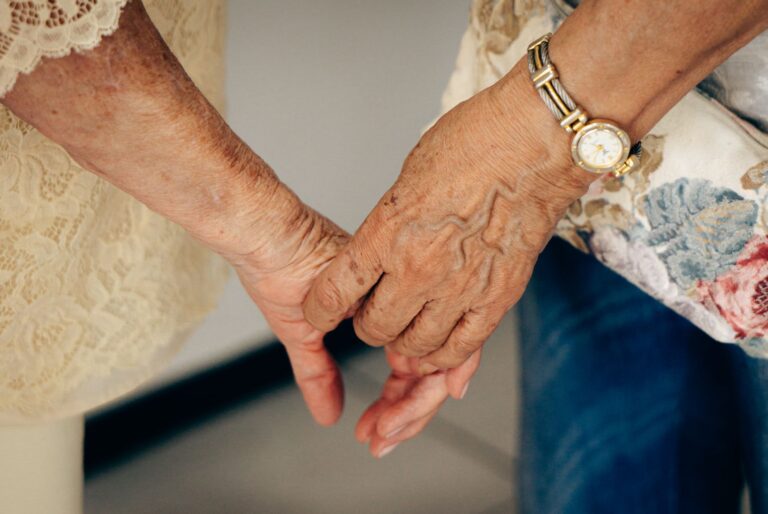
The Alzheimer's Association, the Benjamin Rose Institute on Aging, and Family Caregiver Alliance launched a three-year partnership running from 2026 through 2028 to expand Best Programs for Caregiving (BPC), a national directory of dementia-caregiver support programs. The expansion adds the Alzheimer's Association's research and program resources to a project the Alzheimer's Association describes as a joint effort to grow evidence-based support for the nearly 13 million Americans currently providing unpaid dementia care. For a working caregiver juggling a job and a relative's care, the practical question is simpler than the partnership announcement: does this cost anything, and can it actually help right now? The answer is yes to access, with one cost caveat worth understanding before you search.
Medical information disclaimer: This article is for general educational purposes only and does not provide medical advice, diagnosis, or treatment. Always consult a physician or other qualified health professional about symptoms, medications, tests, or treatment decisions.
Table of Contents
- What Is Best Programs for Caregiving, and What Changed in 2026?
- Does It Cost Anything to Use?
- Why This Matters for Working Caregivers
- How to Use the Directory to Find a Program Near You
- What the Partnership Doesn't Tell You Yet
- Frequently Asked Questions
What Is Best Programs for Caregiving, and What Changed in 2026?
Best Programs for Caregiving is a directory of dementia-caregiving support programs, built by the Benjamin Rose Institute on Aging and Family Caregiver Alliance with the Gerontological Society of America, and funded by the John A. Hartford Foundation, the Archstone Foundation, and the RRF Foundation for Aging. It launched in 2020 under the name Best Practice Caregiving, according to Family Caregiver Alliance. In 2026, the Alzheimer's Association joined as a formal partner for a three-year term.
Under the agreement, the Association joins BPC's working groups, co-authors research on caregiving programs, and may add its own programs into the database, per Family Caregiver Alliance's partnership announcement. That means the directory a caregiver searches today is backed by a larger coalition of aging and dementia organizations than it was at launch, not a new or separate tool. The partnership announcements do not disclose a budget, staffing commitment, or specific list of new states or services tied to the deal. The "expansion" refers to who is collaborating on the project and its research, not a published dollar figure or geographic rollout plan, as Family Caregiver Alliance's announcement makes clear.
Does It Cost Anything to Use?
The consumer-facing directory, at bpc.caregiver.org, is free to use and requires no account or sign-up. Caregivers search by ZIP code to find dementia-caregiving programs delivered in person, by phone, or online, with some programs offered in languages other than English, according to Family Caregiver Alliance. The database holds roughly 40 to 50 vetted programs: 44 at its 2020 launch, growing to nearly 50 by 2024. Each listing shows whether the program is available near a given ZIP code, how it's delivered, what outcomes it has demonstrated, and how to enroll, per the John A.
Hartford Foundation. There's a separate, professional-facing version of the database built for healthcare and community organizations. That version includes program costs and what it takes for an organization to implement a program — details the family-facing listing doesn't always show. So a specific program's fee, where one applies, often isn't on the page a caregiver sees first; it has to be confirmed with the program directly, as Family Caregiver Alliance notes.
Why This Matters for Working Caregivers
The scale behind this partnership is large. The Alzheimer's Association's 2026 Facts and Figures report counts nearly 13 million Americans providing unpaid care for more than 7 million people living with Alzheimer's or other dementias, according to the Alzheimer's Association. That same report puts 2026 dementia health and long-term care costs at $409 billion, projected to approach $1 trillion by 2050.
It also values the more than 19 billion hours of unpaid caregiving logged in 2025 at over $446 billion, per the Alzheimer's Association's 2026 report. That unpaid labor is the hidden cost working caregivers already absorb — missed workdays, reduced hours, and out-of-pocket spending that rarely shows up in a program brochure. A directory of programs with measured outcomes gives a working caregiver a way to find support without guessing which services actually help. Knowing in advance that a program is proven to reduce caregiver stress, improve coping skills, or delay a move to residential care — rather than just advertised as supportive — matters when time off work is limited and every hour spent researching options is an hour not spent on caregiving or paid work.
How to Use the Directory to Find a Program Near You
Finding a program takes a few steps, and none of them require a login or payment upfront: That last step matters because the free directory doesn't itself carry pricing for every program. Family Caregiver Alliance confirms the consumer listing is free to search, but any fee tied to a specific program has to be verified with that program's own staff — the directory is a map to vetted options, not a billing page.
- Go to bpc.caregiver.org and enter your ZIP code to see which programs serve your area.
- Filter by delivery format — in person, phone, or online — to match what fits around a work schedule.
- Check the language options listed for each program if English isn't the caregiver's first language.
- Review the outcomes shown for each program, since this is what separates a BPC-listed program from an unvetted local flyer.
- Contact the program directly, through the enrollment details listed, to confirm any cost, insurance coverage, or eligibility requirement before enrolling.
What the Partnership Doesn't Tell You Yet
Because neither partnership announcement names a budget or a specific access expansion, a caregiver shouldn't expect new states, new languages, or new program categories to appear on a fixed timeline. What's confirmed is collaboration: the Alzheimer's Association sitting on BPC's working groups, co-authoring research, and potentially contributing its own programs over the 2026–2028 term, per Family Caregiver Alliance.
That's still useful information. A caregiver searching the directory today is using the same free tool, with no new fees introduced by the partnership, and a reasonable chance that participating organizations add more vetted programs to the list over the next three years. Checking back periodically, especially if an initial ZIP code search comes up thin, is a reasonable way to benefit from that growth as it happens.
Frequently Asked Questions
Do I need to create an account to search Best Programs for Caregiving?
No. The directory at bpc.caregiver.org requires no sign-up or account, according to Family Caregiver Alliance.
Will the Alzheimer's Association partnership add new programs to the database?
The Alzheimer's Association may contribute its own programs to BPC's database as part of the 2026–2028 partnership, per Family Caregiver Alliance's announcement.
Where do I find out how much a listed program costs?
Contact the program directly using its enrollment details; the free consumer directory doesn't always list pricing, which instead appears in a separate database built for healthcare organizations, according to Family Caregiver Alliance.
You Might Also Like
- The 2026 Best Programs for Caregiving Expansion Partnership: What the Report Means for Working Dementia Caregivers
- Evidence-Based Dementia Caregiver Programs Expanding in 2026: Questions Working Dementia Caregivers Can Ask Local Care Programs
- Evidence-Based Dementia Caregiver Programs Expanding in 2026: Care-Planning Implications for Working Dementia Caregivers