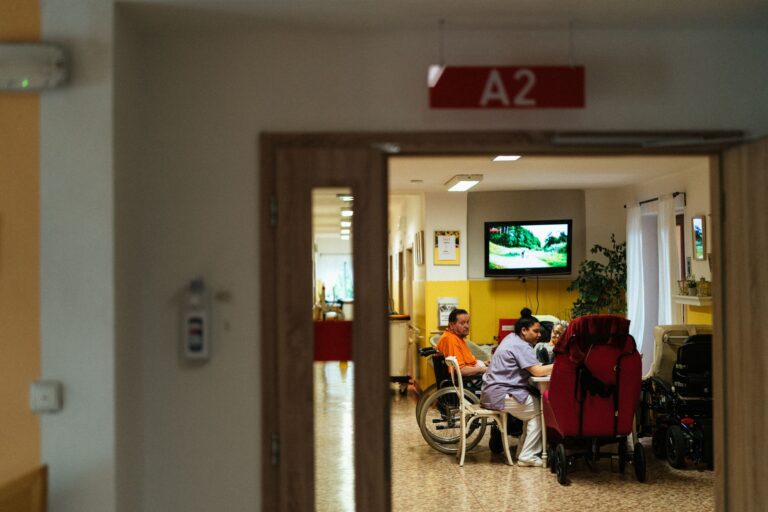
Confirming Dementia: The Latest Diagnostic Tests
Dementia is a condition that affects memory, thinking, and behavior. It can be caused by various factors, including Alzheimer’s disease, which is the most common type. Diagnosing dementia can be challenging, but recent advancements in medical technology have made it easier to confirm cases. Here’s a look at the latest diagnostic tests used to detect dementia.
Blood Tests
One of the most promising new developments is a simple blood test that can detect problems with memory and mental processing at an early stage. This test is currently being trialed in NHS clinics across the UK. The study involves over 3,000 patients and aims to verify a diagnostic test suitable for routine use. Unlike traditional methods that require specialized equipment like PET scans or spinal taps, this blood test is non-invasive and could revolutionize dementia diagnosis. For example, Stephanie Everill, a 67-year-old patient, hopes that this test will lead to a faster diagnosis and better access to treatments for herself and others[1].
Genetic Testing
In some cases, doctors may recommend genetic testing to confirm a diagnosis of Alzheimer’s disease. This is particularly true for individuals with young onset of dementia symptoms or a strong family history of the disease. Genetic tests look for mutations in genes such as APP, PSEN1, and PSEN2. These genes are linked to the production of beta-amyloid peptides, which can build up in the brain to form plaques characteristic of Alzheimer’s disease[2].
Cerebrospinal Fluid (CSF) Tests
Cerebrospinal fluid (CSF) tests involve taking a sample of fluid from around the brain and spinal cord through a procedure called a spinal tap or lumbar puncture. This fluid is then tested for levels of amyloid and tau proteins. Abnormal levels of these proteins can indicate Alzheimer’s disease. For instance, low levels of amyloid (Ab 42) with high levels of tau are typical of Alzheimer’s. These tests are more invasive but provide valuable information for diagnosis[2].
Imaging Tests
Imaging tests like MRI, CT scans, and PET scans are also crucial in diagnosing dementia. MRI scans can detect brain shrinkage associated with Alzheimer’s, while CT scans help rule out other brain disorders. PET scans, particularly those using tracers like florbetapir, can visualize plaques in the brain, a hallmark of Alzheimer’s disease[5].
Amyloid and Tau PET Scans
Amyloid PET scans detect the presence of amyloid plaques in the brain, which are linked to Alzheimer’s disease. Tau PET scans, on the other hand, detect tau tangles in the brain, another hallmark of dementia. These imaging tests are considered gold-standard tools for diagnosing Alzheimer’s and other dementias. The updated Appropriate Use Criteria (AUC) for these tests help clinicians determine when they should be ordered, ensuring that the results will directly impact patient care[4].
Conclusion
Confirming dementia cases has become more precise and less invasive with the advent of new diagnostic tests. From simple blood tests to genetic testing and advanced imaging techniques, each method plays a crucial role in diagnosing and managing dementia. As research continues to evolve, these tests will become even more accurate, helping patients receive timely and effective treatment.
By understanding these diagnostic tools, we can better support those affected by dementia and their families, ensuring they receive the best possible care.
For more, see Alzheimer’s Association.