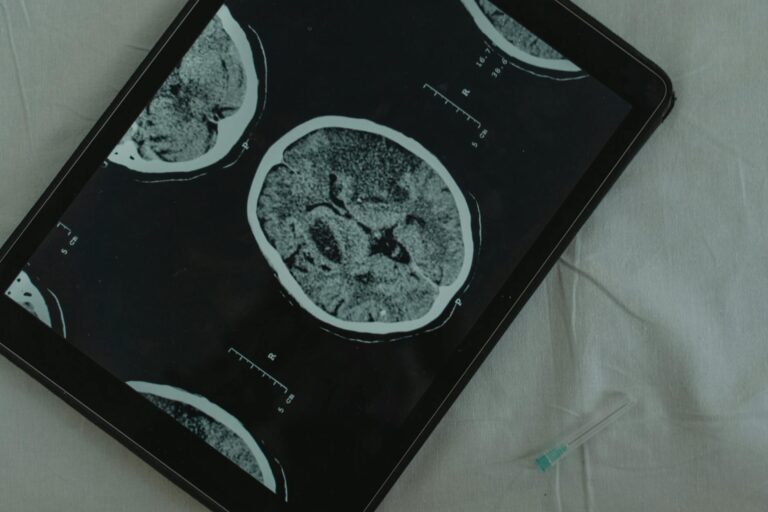
A brain tumor can be one of the scariest words a person can hear from their doctor. However, not all brain tumors are cancerous and life-threatening. In fact, the most common type of brain tumor is benign, which means it is non-cancerous and does not spread to other parts of the body. In this article, we will discuss what a benign brain tumor is, its causes, symptoms, and treatment options.
What is a Benign Brain Tumor?
A brain tumor is a mass of abnormal cells that grow in or around the brain. A tumor can be either benign or malignant. A benign brain tumor is a slow-growing mass, and it does not invade surrounding tissues or spread to other parts of the body. On the other hand, a malignant brain tumor is cancerous and can grow and spread rapidly, causing serious health problems.
There are various types of benign brain tumors, including meningiomas, pituitary adenomas, acoustic neuromas, and gliomas. Meningiomas are the most common type of benign brain tumor, accounting for around 30% of all brain tumors. They develop from the membrane covering the brain and spinal cord. Pituitary adenomas develop in the pituitary gland, which controls hormone production in the body. Acoustic neuromas grow on the nerves that connect the inner ear to the brain. Gliomas develop in the glial cells that support and protect nerve cells in the brain.
Causes of Benign Brain Tumors
The exact cause of benign brain tumors is not known. However, research suggests that certain genetic conditions, exposure to radiation or chemicals, and a weakened immune system may increase the risk of developing a benign brain tumor.
Some genetic syndromes, such as neurofibromatosis and Von Hippel-Lindau disease, have been linked to an increased risk of developing a brain tumor. Exposure to radiation, either from medical treatments or environmental factors, has also been linked to the development of brain tumors. Chemicals, such as vinyl chloride, formaldehyde, and lead, have also been associated with an increased risk of brain tumors.
Symptoms of Benign Brain Tumors
The symptoms of a benign brain tumor depend on its size and location in the brain. Some common symptoms may include headaches, seizures, changes in vision or hearing, dizziness, difficulty with balance and coordination, and changes in behavior or personality. These symptoms may also be caused by other conditions, so it is essential to consult a doctor for proper diagnosis and treatment.
In some cases, a benign brain tumor may not cause any symptoms until it has grown large enough to put pressure on the brain. This can lead to more severe symptoms, such as weakness or numbness in the limbs, difficulty speaking or understanding language, and changes in memory or cognitive function.
Treatment Options for Benign Brain Tumors
The treatment for a benign brain tumor depends on its type, size, and location. In some cases, a small, slow-growing tumor may not require any treatment and only need to be monitored regularly by a doctor. However, if the tumor is causing symptoms or growing rapidly, treatment may be necessary.
Surgery is the most common treatment for a benign brain tumor. During surgery, the tumor is removed either partially or completely. In some cases, the entire tumor cannot be removed due to its location in the brain. In these cases, the remaining tumor may be treated with radiation therapy or chemotherapy.
Radiation therapy uses high-energy beams to target and destroy cancer cells. It is often used after surgery to kill any remaining tumor cells. Chemotherapy uses drugs to kill cancer cells and is typically used for more aggressive tumors that cannot be removed through surgery.
In conclusion, a benign brain tumor is a non-cancerous mass that grows slowly and does not spread to other parts of the body. It can be caused by genetic factors, exposure to radiation or chemicals, and a weakened immune system. Symptoms may include headaches, seizures, changes in vision or hearing, and changes in behavior or personality. Treatment options include surgery, radiation therapy, and chemotherapy. If you experience any symptoms or have concerns about a possible brain tumor, it is essential to consult with a doctor for proper diagnosis and treatment. Remember, not all brain tumors are cancerous, and with early detection and treatment, many benign brain tumors can be successfully managed.