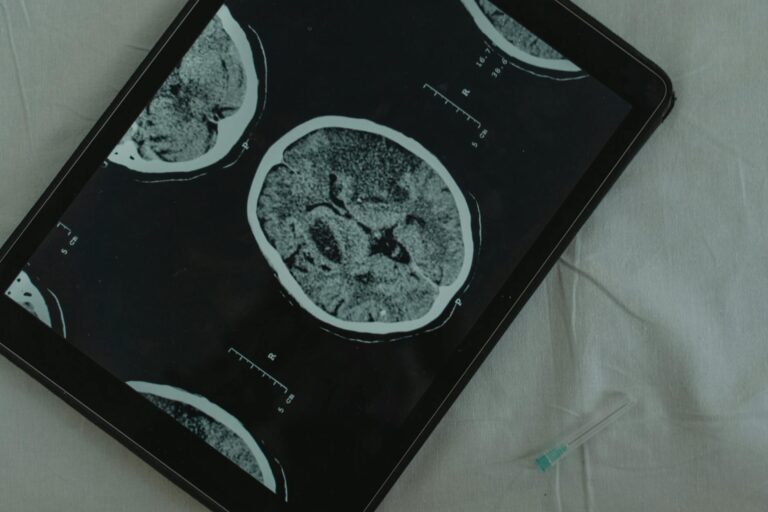
When it comes to cognitive health, many of us are familiar with terms like Alzheimer’s disease and dementia. However, there is another condition that falls under the umbrella of cognitive impairment, but is less widely known – mild cognitive impairment amnestic type (MCI-AT). This condition is often referred to as a “mild stage” of Alzheimer’s disease, and can be a precursor to more serious cognitive decline. In this article, we will explore what MCI-AT is, its symptoms, causes, and available treatment options.
What is Mild Cognitive Impairment Amnestic Type?
Mild Cognitive Impairment Amnestic Type, or MCI-AT for short, is a neurological condition that affects memory and thinking abilities. Specifically, it is a type of mild cognitive impairment (MCI) that primarily affects memory functions. MCI-AT can be considered a transitional stage between normal aging and more severe cognitive decline, such as Alzheimer’s disease. It is estimated that around 10-20% of adults over the age of 65 may have MCI-AT.
Symptoms of MCI-AT
The main symptom of MCI-AT is memory loss that is greater than expected for a person’s age. This memory loss may affect daily life and can include forgetting important appointments, misplacing common items, or having difficulty learning new information. Other symptoms that may accompany MCI-AT include:
– Difficulty with language, such as finding the right words or understanding written or spoken language
– Trouble with decision-making and problem-solving
– Struggles with spatial awareness and orientation
– Changes in mood or behavior
It is important to note that not all memory changes are indicative of MCI-AT. As we age, it is normal to experience some minor forgetfulness. However, if these memory issues start to interfere with daily life and are getting worse over time, it may be a sign of MCI-AT.
Causes of MCI-AT
The exact cause of MCI-AT is still not fully understood. It is believed that a combination of genetic, environmental, and lifestyle factors may play a role in its development. Some potential risk factors include:
– Age: The risk of developing MCI-AT increases with age, with most people being diagnosed in their 70s and 80s.
– Family history: Having a family member with dementia or Alzheimer’s disease may increase the risk of developing MCI-AT.
– Medical conditions: Chronic conditions such as diabetes, high blood pressure, and heart disease have been linked to an increased risk of MCI-AT.
– Lifestyle factors: Lack of physical activity, smoking, and excessive alcohol consumption may also contribute to the development of MCI-AT.
Diagnosis and Treatment of MCI-AT
If you or a loved one are experiencing symptoms of MCI-AT, it is important to consult a doctor for a proper diagnosis. A thorough medical evaluation will be conducted to rule out other potential causes of the symptoms. This may include cognitive tests, blood work, brain imaging, and medical history review.
Unfortunately, there is currently no cure for MCI-AT. However, there are treatment options available that may help slow down its progression and improve quality of life. These may include:
– Medications: Certain medications used to treat Alzheimer’s disease may also be prescribed for MCI-AT to help with memory and thinking abilities.
– Cognitive training: This involves working with a therapist to learn techniques and strategies to improve memory and thinking skills.
– Lifestyle modifications: Making positive lifestyle changes such as engaging in regular exercise, eating a healthy diet, and staying socially active may help slow down the progression of MCI-AT.
It is important to note that not all cases of MCI-AT will progress to Alzheimer’s disease. Some individuals may remain stable or even improve with treatment.
Living with MCI-AT
Receiving a diagnosis of MCI-AT can be difficult for both the individual and their loved ones. However, it is important to remember that MCI-AT is not the same as Alzheimer’s disease, and it is possible to live a fulfilling life with the condition. Some tips for managing MCI-AT include:
– Stay organized: Using calendars, reminders, and lists can help with memory and maintain daily routines.
– Seek support: Joining a support group or talking to loved ones can provide emotional support and helpful tips for managing the condition.
– Stay active: Engaging in regular physical activity and mental stimulation, such as puzzles or brain games, can help maintain cognitive function.
In addition, it is essential to continue regular check-ups with a doctor to monitor any changes in symptoms and adjust treatment accordingly.
In conclusion, mild cognitive impairment amnestic type is a condition that affects memory and thinking abilities, and can be considered a precursor to more severe cognitive decline. While there is currently no cure, treatments are available to help manage symptoms and improve quality of life. With proper care and support, individuals with MCI-AT can continue to lead fulfilling lives. If you or a loved one are experiencing symptoms of MCI-AT, do not hesitate to seek medical attention for a proper diagnosis and treatment plan.