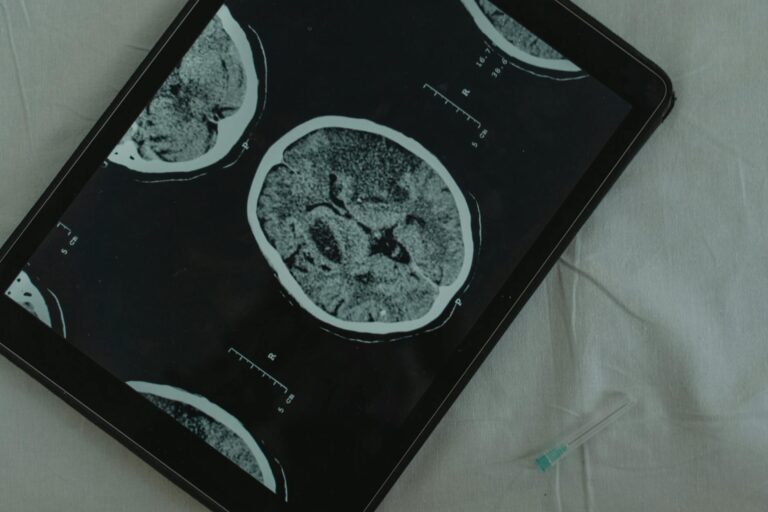
Cerebral and cerebellar atrophy is a condition that affects the brain, specifically the cerebral cortex and the cerebellum. It is a progressive disorder that causes a gradual loss of nerve cells and connections in these areas, leading to a decrease in brain volume.
The cerebral cortex is the outer layer of the brain responsible for functions such as thinking, memory, and voluntary movement. The cerebellum, located at the back of the brain, is responsible for balance, coordination, and fine motor skills. Atrophy in these areas can result in a variety of symptoms and can significantly impact a person’s daily life.
Mild cerebral and cerebellar atrophy often goes unnoticed in its early stages, as the symptoms may be subtle and easily attributed to other causes. However, as the condition progresses, it can have a significant impact on a person’s physical and cognitive abilities.
CAUSES:
There are various causes of cerebral and cerebellar atrophy, including:
1) Aging: As we age, our brain naturally shrinks in size due to a decrease in nerve cells and connections. This can lead to mild cerebral and cerebellar atrophy.
2) Genetics: Some people may inherit genes that make them more susceptible to developing this condition.
3) Traumatic Brain Injury: A severe blow or injury to the head can cause damage to brain cells, leading to atrophy.
4) Chronic alcoholism: Excessive alcohol consumption over a long period can damage brain cells and cause atrophy.
5) Infection: Certain infections, such as HIV, can cause inflammation in the brain and lead to atrophy.
6) Neurological disorders: Diseases like Alzheimer’s, Parkinson’s, and Huntington’s can cause degeneration of brain cells, leading to atrophy.
SYMPTOMS:
The symptoms of mild cerebral and cerebellar atrophy vary depending on which part of the brain is affected. Some common symptoms include:
1) Balance and coordination problems: Since the cerebellum is responsible for motor skills, atrophy in this area can cause difficulty walking, maintaining balance, and coordinating movements.
2) Memory and cognitive difficulties: Atrophy in the cerebral cortex can lead to problems with memory, concentration, and decision-making.
3) Changes in behavior and personality: As the disease progresses, some individuals may experience changes in behavior and personality, such as irritability, mood swings, and depression.
4) Speech and language problems: Damage to the cerebral cortex can cause issues with speech and language, making it challenging to communicate effectively.
5) Muscle weakness and stiffness: Atrophy in the cerebellum can cause muscle weakness and stiffness, making it difficult to perform daily tasks.
DIAGNOSIS AND TREATMENT:
A diagnosis of mild cerebral and cerebellar atrophy is usually made through a combination of physical exams, neurological tests, and brain imaging scans such as MRI or CT scans. These tests can help detect any changes in brain volume and identify the underlying cause.
Unfortunately, there is currently no cure for this condition. However, treatment focuses on managing symptoms and slowing down the progression of the disease. Some common treatment options include:
1) Medications: Certain medications can help manage symptoms such as memory problems, depression, and muscle stiffness.
2) Physical therapy: This can help improve balance, coordination, and muscle strength.
3) Speech therapy: For those experiencing speech and language difficulties, speech therapy can be beneficial.
4) Lifestyle changes: Making healthy lifestyle choices such as reducing alcohol consumption, quitting smoking, and staying physically active can help slow down the progression of the disease.
CONCLUSION:
Mild cerebral and cerebellar atrophy is a progressive disorder that affects the brain and can significantly impact a person’s daily life. It is vital to seek medical attention if you experience any of the symptoms mentioned above, as early detection can help manage the condition and improve overall quality of life. While there is no cure, treatment options are available to help manage symptoms and slow down the progression of the disease. Maintaining a healthy lifestyle and following a treatment plan can greatly help in managing mild cerebral and cerebellar atrophy.