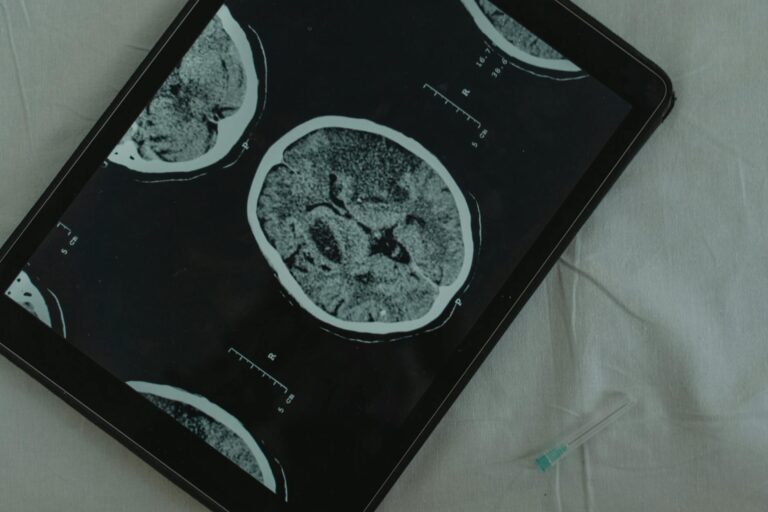
As we age, our bodies go through a natural process of decline, and this includes changes in our cognitive abilities. One area that may be affected is our executive function, which is responsible for higher-level thinking and decision making. The loss of executive function in the elderly is a common phenomenon that can have a significant impact on their daily lives. In this article, we will explore what executive function is, how it changes with age, and the effects of its decline on the elderly.
What is Executive Function?
Executive function is a set of cognitive skills that allow us to plan, organize, and execute tasks. It involves the ability to set goals, make decisions, and solve problems. This higher-level thinking process is controlled by the prefrontal cortex, the front part of the brain responsible for decision making and problem-solving.
There are three main components of executive function: working memory, cognitive flexibility, and inhibitory control. Working memory is responsible for holding information in our minds and using it to complete a task. Cognitive flexibility allows us to switch between different tasks or ideas. Inhibitory control helps us control our impulses and focus on the task at hand.
How Does Executive Function Change with Age?
As we age, our brain undergoes structural and functional changes. These changes can affect executive function in various ways. Firstly, the prefrontal cortex, which is responsible for executive function, starts to shrink in size as we age. This can result in a decline in cognitive abilities such as planning and decision-making.
Secondly, the communication between different brain regions becomes less efficient with age. This can lead to slower processing speed and difficulties in coordinating multiple tasks. As a result, older adults may take longer to complete tasks and may struggle to switch between tasks.
Lastly, as we age, there is also a decrease in the production of neurotransmitters, chemicals that allow us to transmit information between brain cells. This decrease can affect the prefrontal cortex’s ability to function, leading to a decline in executive function.
Effects of Decline in Executive Function on the Elderly
The loss of executive function can have a significant impact on the daily lives of the elderly. It can affect their ability to perform daily tasks such as managing finances, cooking, and driving. This can lead to feelings of frustration, loss of independence, and even depression.
Difficulties in planning and decision-making may also result in poor time management, forgetfulness, and disorganization. This can make it challenging for older adults to keep up with their appointments, medications, and other responsibilities.
In addition to these practical challenges, the decline in executive function can also affect social interactions. Older adults may struggle with inhibitory control, leading to impulsive or inappropriate behavior. They may also have difficulties interpreting social cues and regulating emotions, which can result in strained relationships with loved ones.
Coping Strategies
While the decline in executive function is a natural part of aging, there are ways to mitigate its effects. One of the most effective strategies is to engage in mentally stimulating activities such as puzzles, crosswords, or learning a new skill. These activities can help keep the brain active and improve cognitive functioning.
Regular physical exercise has also been shown to have positive effects on executive function. Exercise increases blood flow and stimulates the production of neurotransmitters, which can help improve brain function.
Furthermore, staying socially engaged and maintaining strong social connections can also help boost executive function. Social interactions provide cognitive stimulation and emotional support, which are essential for overall brain health.
In cases where the decline in executive function is severe and significantly affects daily life, seeking medical help is necessary. A doctor can assess the individual’s cognitive abilities and provide recommendations for further treatment or support.
In conclusion, the loss of executive function is a natural part of aging that can have a significant impact on the elderly. Understanding how it changes with age and its effects can help us better support and care for our loved ones as they age. By implementing coping strategies and seeking medical help when needed, we can help improve their quality of life and provide the necessary support to navigate this stage of their lives with dignity and grace.