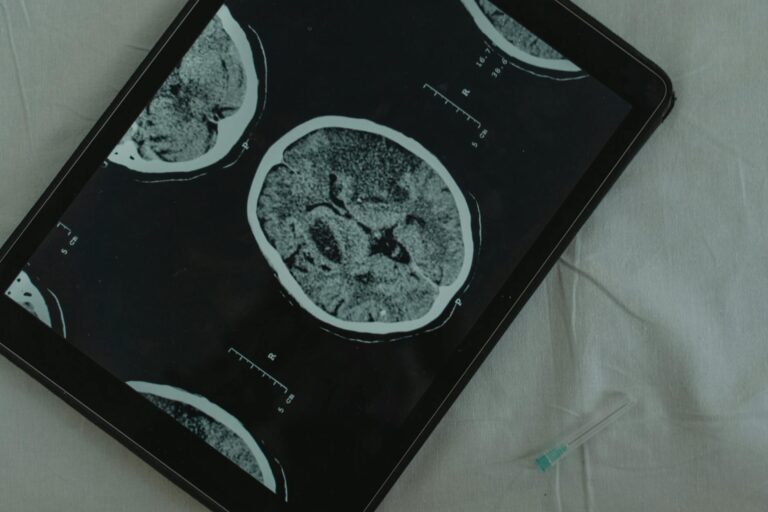
Inflammation of the brain, also known as encephalitis, is a serious condition that can cause significant damage to the brain. Encephalitis occurs when the brain becomes inflamed, or swollen, due to an infection or an autoimmune disorder. It affects people of all ages and can be life-threatening if left untreated.
The brain is a vital organ responsible for controlling our thoughts, movements, and bodily functions. It is protected by a protective layer called the blood-brain barrier, which prevents harmful substances from entering the brain. However, when the brain becomes inflamed, this barrier can weaken, allowing viruses, bacteria, or other pathogens to enter and cause damage.
Encephalitis is commonly caused by viral infections such as herpes simplex virus, enteroviruses, and tick-borne viruses like West Nile virus. It can also be caused by bacterial infections, such as Lyme disease or tuberculosis. In rare cases, it can develop as a result of a reaction to certain medications or as a complication of another infection or illness.
The most common symptom of encephalitis is a sudden onset of fever, headache, and confusion. Other symptoms may include nausea, vomiting, seizures, and changes in behavior or speech. In severe cases, encephalitis can lead to coma, paralysis, and even death.
Diagnosis of encephalitis typically involves a physical examination, blood tests, and imaging tests such as MRI or CT scans. In some cases, a sample of cerebrospinal fluid (CSF) may be taken through a lumbar puncture to check for signs of infection or inflammation.
Treatment for encephalitis depends on its underlying cause. If it is caused by a viral infection, antiviral medications may be prescribed. Antibiotics are used to treat bacterial infections. In some cases, corticosteroids may be given to reduce inflammation in the brain. Supportive care, such as intravenous fluids and medications to control fever and seizures, may also be provided.
In some cases, encephalitis can have long-term effects on the brain, including memory loss, cognitive difficulties, and behavioral changes. These effects can be managed with therapy and rehabilitation to help the individual regain their abilities.
Prevention of encephalitis is mainly focused on avoiding exposure to viruses and bacteria that can cause it. This includes practicing good hygiene, getting vaccinated against preventable diseases, and avoiding contact with infected individuals.
In conclusion, inflammation of the brain, or encephalitis, is a serious condition that requires prompt medical attention. It can be caused by various infections and can lead to severe symptoms and long-term effects if left untreated. Early diagnosis and treatment are crucial for a better outcome. Following proper hygiene practices and staying up-to-date with vaccinations can help in preventing this condition. If you experience any symptoms of encephalitis, it is essential to seek medical attention immediately.