The brain is a complex organ that controls all of our bodily functions and allows us to think, feel, and move. It is made up of different parts that work together to keep our body functioning properly. However, just like any other part of our body, the brain can also be affected by various conditions and diseases.
One such condition is a hypodense lesion in the brain. This term may sound intimidating, but it simply refers to an area in the brain that appears darker or less dense than the surrounding brain tissue on imaging tests such as CT scans or MRI scans. In this article, we will delve deeper into what a hypodense lesion in the brain is, its causes, symptoms, and treatment options.
What is a Hypodense Lesion in the Brain?
To understand what a hypodense lesion is, we first need to know what density means in relation to the brain. In medical terms, density refers to the thickness and quality of tissues. So, a hypodense lesion in the brain is an area where the brain tissue is thinner or of lower quality compared to its surroundings.
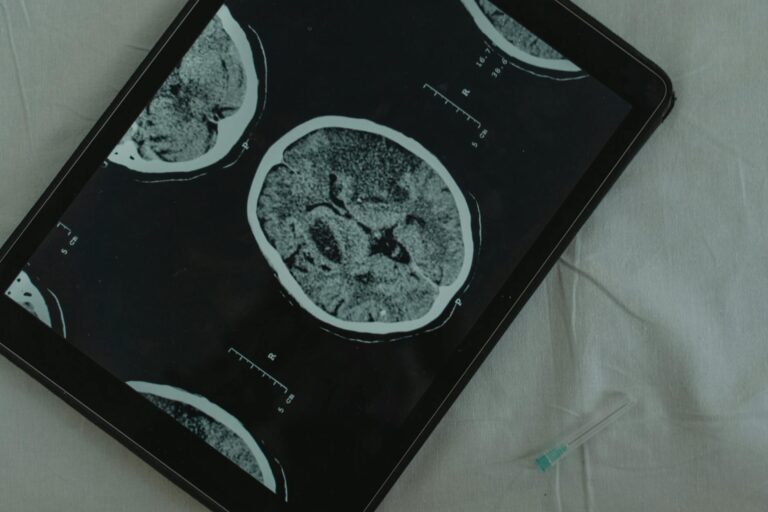
A hypodense lesion can be seen on imaging tests such as CT scans or MRI scans. On these images, it appears as a dark spot or area, which indicates a decrease in brain tissue density. The size, location, and shape of the lesion can vary and can give clues about its underlying cause.
Causes of Hypodense Lesions in the Brain:
There are various causes of hypodense lesions in the brain, and the most common ones include:
1. Stroke: A stroke occurs when there is a disruption in blood flow to the brain. This can cause damage to brain tissue, leading to a hypodense lesion.
2. Traumatic Brain Injury (TBI): A TBI occurs due to a sudden impact or blow to the head, which can result in damage to the brain tissue and cause a hypodense lesion.
3. Brain Tumors: These are abnormal growths in the brain that can be either benign or cancerous. Tumors can take up space in the brain, causing a decrease in density in surrounding areas.
4. Multiple Sclerosis (MS): MS is a condition that affects the central nervous system, including the brain. It causes damage to the protective covering of nerves, leading to lesions in the brain and spinal cord.
5. Infections: Certain infections, such as meningitis or encephalitis, can cause inflammation and damage to brain tissue, resulting in hypodense lesions.
Symptoms of Hypodense Lesions in the Brain:
The symptoms of a hypodense lesion in the brain vary depending on its location and underlying cause. Some common symptoms include headaches, numbness or weakness in certain parts of the body, difficulty with movement or coordination, changes in vision or speech, and seizures. In some cases, there may be no symptoms at all, and the lesion is found incidentally while performing imaging tests for other reasons.
Treatment Options:
The treatment for a hypodense lesion in the brain depends on its underlying cause. For instance, if it is due to an infection, antibiotics or antiviral medications may be prescribed. In cases of a stroke, prompt medical attention is required to restore blood flow to the brain and reduce further damage. Tumors may require surgery, chemotherapy, or radiation therapy for treatment.
In some cases, follow-up imaging tests may be necessary to monitor the lesion and its progression. This can help doctors determine if any changes need to be made to the treatment plan.
Final Thoughts:
A hypodense lesion in the brain may sound scary, but it is important to remember that not all lesions are cancerous or life-threatening. Many underlying causes of these lesions are treatable, and early detection and treatment can improve outcomes. If you experience any symptoms of a hypodense lesion or have concerns about your brain health, do not hesitate to consult a medical professional for proper evaluation and treatment.