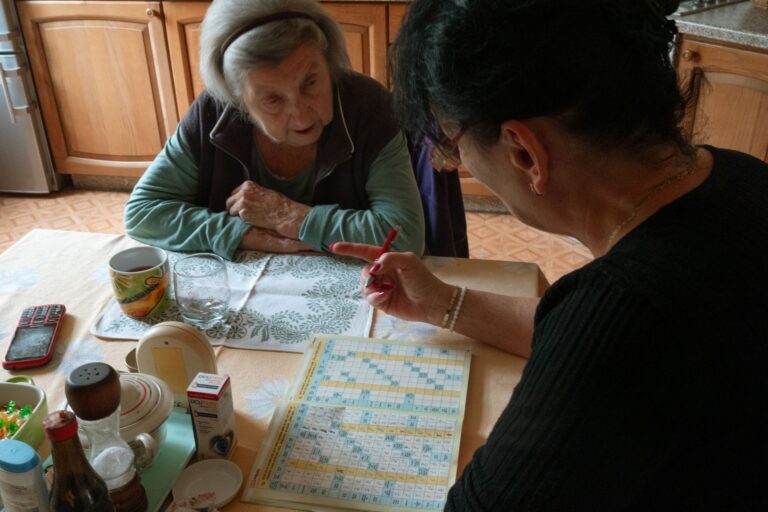
Mid-stage dementia often brings swallowing problems that call for a calmer, upright dining setup and a revised care plan. Dysphagia means difficulty swallowing, and early changes to space, food texture, and support make meals safer. According to the Alzheimer's Association, middle-stage Alzheimer's is typically the longest stage with greater care needs, confusion, and trouble expressing thoughts and doing routine tasks, as described in the Alzheimer's Association stages guidance. That growing need for help sets the context for new swallowing difficulty.
Medical information disclaimer: This article is for general educational purposes only and does not provide medical advice, diagnosis, or treatment. Always consult a physician or other qualified health professional about symptoms, medications, tests, or treatment decisions.
Table of Contents
- What do swallowing problems look like?
- Why does aspiration need fast action?
- How should you change the dining space?
- How should the care plan change after assessment?
What do swallowing problems look like?
The Wirral Community Health and Care NHS Foundation Trust lists common signs of dysphagia in middle-to-late dementia. Watch for them at every meal, not just once.
The University of Wisconsin-Madison Alzheimer's Disease Research Center notes caregivers preparing meals are often first to spot these changes. The Center warns dysphagia can lead to pneumonia and malnutrition, both potentially life-threatening in Alzheimer's and related dementias.
- coughing or choking during meals
- pocketing food in the cheeks
- prolonged chewing or throat clearing
- wet or gurgly voice, or feeling food is stuck
- weight loss and repeated chest infections
Why does aspiration need fast action?
The Doncaster and Bassetlaw Teaching Hospitals NHS dysphagia service explains that food or drink entering the lungs is called aspiration. Aspiration can cause repeated chest infections and aspiration pneumonia.
Act when you hear a cough or wet voice at meals. Act also for weight loss or dehydration. Seek referral to speech and language therapy, the GP, and a dietitian for assessment and next steps.
How should you change the dining space?
Seat the person fully upright at near 90 degrees, well supported in a chair at a table. Avoid meals in bed or in a recliner, give enough personal space, and keep the person upright after the meal, following swallowing advice for dementia from East Lancashire Hospitals NHS Trust.
Make the space calm and legible, as Frimley Health NHS Foundation Trust recommends in its dementia eating guidance. Turn off the TV, reduce noise and foot traffic, and declutter the table. Use good lighting, plain high-contrast plates and cups, offer only needed utensils, and allow extra unhurried time.
How should the care plan change after assessment?
Move after assessment to soft, moist, bite-sized foods or prescribed minced, pureed, or liquidised foods and prescribed fluid thickness, following IDDSI levels guidance from Specialist Pharmacy Service NHS. Avoid hard, small, dry, or mixed-consistency items such as raw carrot, grapes, and chunky soup.
Texture changes help only when matched to a swallow assessment and do not guarantee prevention of pneumonia. ESPEN's 2024 dementia guideline stresses individualized, appealing, enriched foods and careful hand-feeding. Ask the dietitian to enrich meals rather than impose strict low-salt, low-fat, or diabetic limits that can worsen malnutrition.