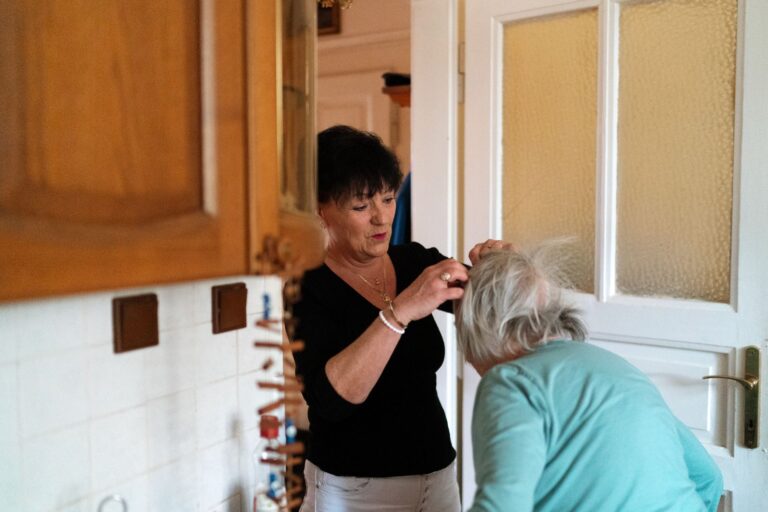
Sundowning is not a separate disease but a pattern of worse confusion, agitation, anxiety, and aggression in people with Alzheimer's or other dementias in late afternoon and evening, according to UNC Health UNC Health explainer on what sundowning is. Episodes commonly start between about 3–8 p.m., and steady routines, light control, and calm responses can help. People in middle-to-late-stage dementia are affected most often. A predictable day plus a quieter, brighter evening lowers distress and supports safer nights.
Medical information disclaimer: This article is for general educational purposes only and does not provide medical advice, diagnosis, or treatment. Always consult a physician or other qualified health professional about symptoms, medications, tests, or treatment decisions.
Table of Contents
- What sundowning looks like
- Why is late afternoon harder
- Which daytime habits reduce episodes
- How should evenings be set up
- What helps during agitation
What sundowning looks like
People affected most often are those in middle-to-late-stage dementia. They may pace, wander, follow caregivers, cry, yell, ignore directions, or believe they should leave to go home.
A calm morning can shift into repeated questions, trailing a caregiver, or testing doors. Short answers may turn into shouting or tears. These shifts signal distress, not defiance.
Why is late afternoon harder
Episodes often peak around dusk and after dinner and can continue into the night. Nursing-home staff report 3–5 p.m. as especially common.
Mayo Clinic staff point to dementia-related disruption of the brain's sleep-wake circadian clock as a leading explanation Mayo Clinic answer on sundowning. Daily strain then adds to that vulnerability. Common triggers include:.
- mental and physical fatigue late in the day
- fading light, shadows, and confusing reflections
- overstimulation from TV, chores, visitors, or commotion
- shift changes and low afternoon activity
- unmet hunger, pain, or toileting needs
Which daytime habits reduce episodes
The National Institute on Aging advises a steady routine with consistent wake, meal, and bedtime times NIA tips for coping with sundowning. Predictability lowers confusion about what comes next.
Morning daylight or an outdoor walk helps set the day. Daily physical activity supports nighttime sleep. Keep afternoon naps short or skip them, and avoid caffeine or alcohol later in the day.
How should evenings be set up
The Alzheimer's Association recommends keeping rooms well lit to reduce shadows and confusion Alzheimer's Association guide to sleep issues and sundowning. Close curtains at dusk to block dark windows and shifting light.
Lower noise and stimulation from TV, loud music, and busy chores. Offer a larger lunch with a lighter evening meal. Keep needed items easy to reach, including glasses, hearing aids, water, and a bathroom path.
What helps during agitation
Stay calm rather than argue or correct. Speak slowly, use short sentences, and keep your posture relaxed.
Distract with a favorite snack, object, soothing music, photos, or simple activity. The National Institute on Aging and Alzheimer's Association advise medical evaluation when behavior changes persist, since UTI, sleep apnea, or restless legs may contribute.