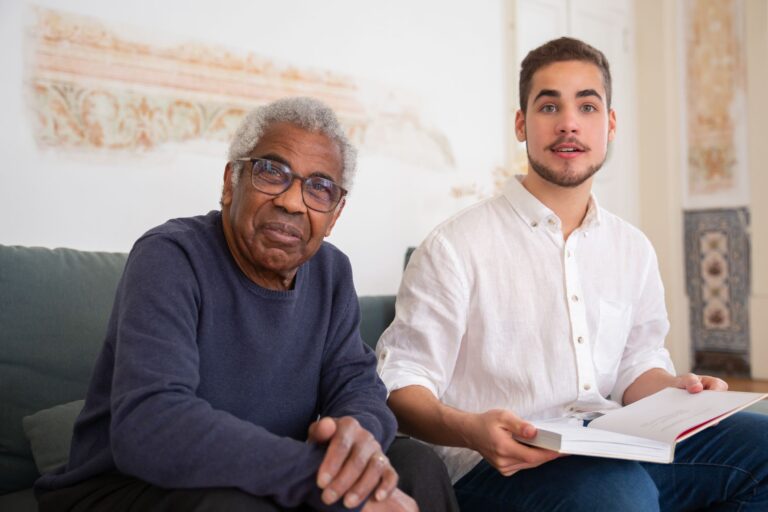
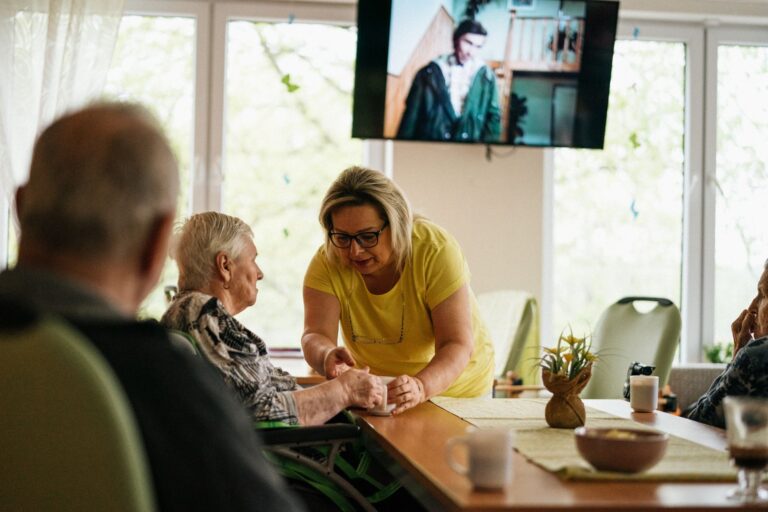
Strengths-based dementia care means services that preserve personhood and relationship quality rather than prescribing one treatment or care model. A Comforcare summary of the 2026 NIA summit lists it as a research priority tied to gaps that strain working caregivers. For employed family members, the issue is practical. Staying at work while protecting health, income and the relationship takes usable relief, skilled paid help and navigation.
Medical information disclaimer: This article is for general educational purposes only and does not provide medical advice, diagnosis, or treatment. Always consult a physician or other qualified health professional about symptoms, medications, tests, or treatment decisions.
Table of Contents
- What strengths-based care protects
- Why work absorbs the shock first
- Where paid help falls short
- How respite and navigation help you stay employed
What strengths-based care protects
Care starts with what the person can still do, enjoy and choose. Staff and family shape routines, tasks and contact around those strengths. The aim is steady identity and connection during decline. That changes hiring and training needs.
Aides need time to learn habits, triggers and calm-down cues. Families need plans that name those details, not only diagnoses and doses. It also changes success measures. Fewer conflicts, kept routines and stable mood matter alongside safety. Work becomes less crisis-driven when those supports hold.
Why work absorbs the shock first
The Alzheimer's Association reports about 60% were employed last year and 57% arrived late, left early or took time off for caregiving Alzheimer's Association caregiver-month report. Lost hours then threaten reviews, promotions and leave balances. The Alzheimer's Association 2026 Facts and Figures counts nearly 13 million unpaid caregivers providing over 19 billion hours valued above $446 billion. It finds 59% reported high or very high emotional stress.
Money pressure compounds time pressure. A USC-led 2026 study summarized by MedicalXpress estimates total U.S. dementia costs at $818 billion in 2026 USC study cost estimate. It finds families bear over three times health-system and government costs, plus $15 billion in stress-related expenses.
Where paid help falls short
An NIA-supported review in Alzheimer's & Dementia finds large gaps in tracking the paid dementia workforce paid-workforce review. Missing details include training content, recruitment and retention, career pathways and effects on care quality. For a working caregiver, those gaps feel concrete. Turnover breaks trust and routines.
Thin training leaves aides unready for agitation, wandering or personal care refusal. Coverage is also uneven across nights, weekends and sick days. When backup fails, the employee fills the shift. Repeated callouts then force reduced hours or exit.
How respite and navigation help you stay employed
NIA defines respite as short-term relief lasting hours to weeks. It can cover in-home help, adult day time or a short residential stay. The point is planned rest, not only emergency cover.
The Family Caregiver Alliance explains CMS's GUIDE Model offers a navigator, 24/7 support line and capped respite Family Caregiver Alliance GUIDE update. The Alliance lists the cap at $2,625 for July 2026-June 2027 for moderate or severe dementia when an unpaid caregiver is involved. Check eligibility before you count on payment, and confirm local supply early.
- Ask the navigator what qualifies and how to request hours
- Schedule relief around your work peaks, not only crises
- Leave a one-page routine: meals, meds, calming steps, contacts
You Might Also Like
- Culturally Responsive Caregiver Support in the 2026 NIA Report: Service Gaps That Matter to Working Dementia Caregivers
- Community-Academic Dementia Partnerships in the 2026 NIA Report: Service Gaps That Matter to Working Dementia Caregivers
- Adult Day Services Research Priorities in the 2026 NIA Report: Service Gaps That Matter to Working Dementia Caregivers