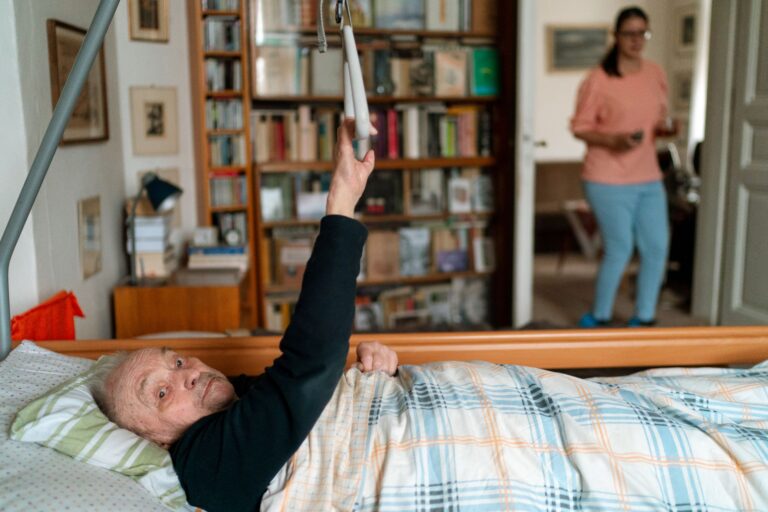
The 2026 NIA dementia care report calls for strengths-based care that builds on personhood, relationships, and shared decisions. For long-distance caregivers, it highlights gaps in navigation, coordination, and home support that make that care harder to deliver. Strengths-based care means starting from what the person can still do and who they are.
The National Institute on Aging convened its virtual summit on March 17-19, 2026 to review progress and name unmet needs, according to the Roybal Coordinating Center. The ARCH National Respite Network newsletter reports NIA released the summary on Aug. 13, 2026, with research gaps and priorities instead of one treatment or model ARCH National Respite Network newsletter summary.
Medical information disclaimer: This article is for general educational purposes only and does not provide medical advice, diagnosis, or treatment. Always consult a physician or other qualified health professional about symptoms, medications, tests, or treatment decisions.
Table of Contents
- What strengths-based care means here
- Why distance raises the stakes
- Where services break down for distant families
- What you can do from an hour away
What strengths-based care means here
Strengths-based priorities in the report center on preserving personhood and relationship quality. They also call for involving people with dementia and care partners in planning and for stronger community partnerships, according to the ComForCare summary of the report.
In practice, that means a care plan records abilities, routines, and valued relationships. It treats the care partner as part of the team, not only as a task worker. It connects the family to local groups that can sustain contact week to week.
Why distance raises the stakes
CareLinkUSA citing NIA defines a long-distance caregiver as anyone living an hour or more from the person needing care. The same source notes distinct coordination and worry burdens for this group.
Those burdens grow when the goal is to remain at home. The ARCH newsletter lists related priorities as economic and quality-of-life effects, scalable interventions, better data and coordination, equitable diagnosis and treatment, and home-based living. Distance makes each harder without a local contact and shared records.
Where services break down for distant families
Navigation is the central gap. Seventy percent of dementia caregivers call coordinating care stressful, 53% find navigating health care difficult, and 66% struggle finding resources, in Alzheimer's Association findings reported by I Advance Senior Care.
That gap matters more from afar because problems surface late. A missed referral, changed medication, or closed adult-day slot may go unseen for weeks. The report answers this with no single model, but with calls for rigorous, scalable supports and better coordination.
What you can do from an hour away
CareLinkUSA lists distant tasks that work well: managing bills and insurance, organizing paperwork and records, arranging in-home help, joining visits by phone or video, and funding or providing respite. Pick one task to own fully rather than sharing every task loosely.
A practical fix is the CMS GUIDE Model, begun July 1, 2024 as an eight-year test. According to the Family Caregiver Alliance description of the GUIDE Model, it offers a care navigator, a 24/7 support line, caregiver training, and about $2,500 yearly respite per patient. Ask the primary care clinic or Area Agency on Aging whether a GUIDE program serves your parent's ZIP code.
You Might Also Like
- Early Dementia Detection Across Care Settings in the 2026 NIA Report: Service Gaps That Matter to Long-Distance Caregivers
- Early Dementia Detection Across Care Settings in the 2026 NIA Report: Service Gaps That Matter to Long-Distance Caregivers
- Culturally Responsive Caregiver Support in the 2026 NIA Report: Service Gaps That Matter to Long-Distance Caregivers