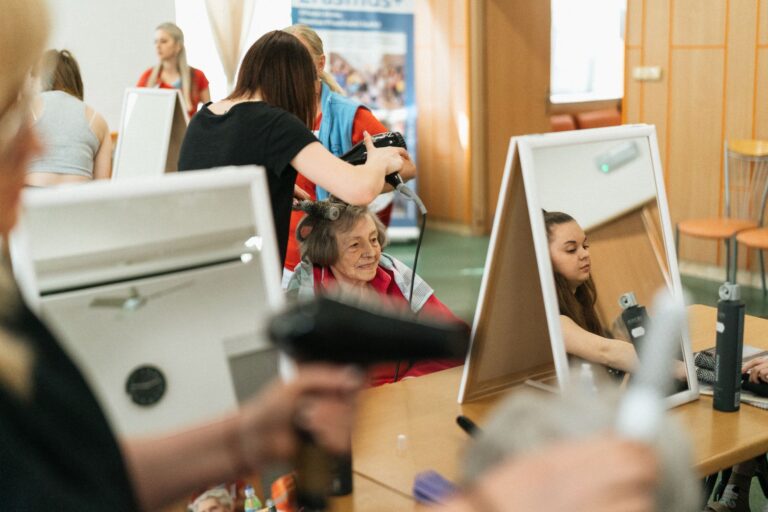
Strengths-based dementia care means building care around what your parent can still do, enjoy, and choose, not only what dementia has taken away. The August 2026 NIA summit report prioritizes this approach to preserve personhood and relationship quality, and adult children can use it now with a short follow-up checklist. The NIA IMPACT Collaboratory lists the 2026 Dementia Care and Caregiving Research Summit as a virtual meeting March 17-19, 2026 to review progress, highlight innovation, and identify unmet needs 2026 events listing. A ComForCare summary of the NIA report describes the shift as seeing the person as a whole rather than only a diagnosis.
Medical information disclaimer: This article is for general educational purposes only and does not provide medical advice, diagnosis, or treatment. Always consult a physician or other qualified health professional about symptoms, medications, tests, or treatment decisions.
Table of Contents
- What does strengths-based care look like day to day?
- Why the report does not name one best model
- Your 2026 follow-up checklist
- How to avoid carrying it all alone
What does strengths-based care look like day to day?
Strengths-based care starts with your parent's history, habits, and preferences. It asks what brings calm, pride, humor, or connection. Then it shapes daily routines around those answers. The Alzheimer's Association 2026 care model urges moving away from focusing on loss of abilities toward each person's unique needs, personal experiences, and strengths 2026 Facts and Figures care model. In practice, that means offering choices, protecting autonomy, and adjusting the environment.
A daughter might keep morning coffee, music, church, or gardening in the week. She might simplify steps rather than take over the task. Person-centered language also varies widely across studies and programs. A September 2026 Alzheimer's Association research supplement calls for a consistent framework centered on relationships, personhood, empowerment, autonomy, and environment. For families, the test is simple: does this plan support identity and connection, or only manage symptoms?.
Why the report does not name one best model
The August 2026 report does not recommend one treatment or single care model. A ComForCare summary of the NIA report says it identifies research gaps and priorities to shape better future dementia care. Families must still individualize current choices. That limit is useful. No program fits every stage, culture, home, budget, and health profile.
Your parent may need more structure, more quiet, more movement, or more social time than another person. Use the report as direction, then match support to your parent's strengths and your family's capacity. Ask the care team what outcome each option targets. Is it sleep, safety, mood, appetite, mobility, or caregiver relief? Pick one change, try it for two weeks, and keep notes. Keep what preserves dignity and daily function.
Your 2026 follow-up checklist
Start with papers, people, and daily strengths. NIA tip sheets advise adult children to complete legal and financial planning soon after early-stage diagnosis, with centralized papers, durable powers of attorney, and advance directives NIA advance-care planning tip sheet. Do this while your parent can still express wishes clearly.
Review the folder and strengths profile every three months. Update contacts, doses, fall risks, driving status, and wandering plans. Bring the one-page profile to every medical visit.
- Gather will, powers of attorney, advance directives, insurance, bank contacts, passwords, and medication list in one folder.
- Ask about a care navigator, caregiver training, and respite through your parent's clinic or Medicare provider.
- Check whether the CMS GUIDE Model fits; enrolled families can receive a care navigator, 24/7 support line, caregiver training, and up to $2,500 yearly respite paid to the provider CMS GUIDE Model page.
- Write a one-page strengths profile: abilities, routines, music, foods, faith, triggers, calming strategies, and best time of day.
- Plan caregiver coverage before exhaustion: friends, support group, backup driver, and scheduled breaks.
How to avoid carrying it all alone
Nearly 13 million unpaid caregivers, often adult children, provided about 19 billion hours in 2025. About 7.4 million Americans age 65 and older live with Alzheimer's dementia in 2026. Those numbers explain why support is a health need, not a luxury. NIA guidance also stresses protecting caregiver health through friends, support groups, and respite breaks. Name two people you can call for practical help.
Join one local or online caregiver group this month. Schedule respite the way you schedule medicine. If your parent has traditional Medicare and is not in Medicare Advantage or hospice, ask the primary care clinic if it participates in GUIDE. The model runs July 1, 2024 through June 2032. Ask what intake, assessment, and caregiver-training steps apply in your county.
You Might Also Like
- Early Dementia Diagnosis Economics in the 2026 NIA Report: A 2026 Follow-Up Checklist for Adult Children
- Community-Academic Dementia Partnerships in the 2026 NIA Report: Questions Spouses and Partners Can Ask Local Care Programs
- The 2026 NIA Workshop on Comprehensive Dementia Care Models: What Adult Children Can Check in Their Community