A step-by-step plan for power-tool safety in dementia respite care locks tools away, makes them unusable, and gives the relief caregiver a clear supervision plan. Respite care is short-term supervised care that gives family caregivers a planned break. The person stays safe and monitored at home, in a day program, or in a facility.
The ARCH National Respite Network and Resource Center describes this model in its Caregiving Package. People living with dementia face higher injury risk in garages, workrooms, basements, and outdoor areas. The Alzheimer's Association says caregivers should monitor or lock spaces holding tools, chemicals, and cleaning supplies. Fix access before the break starts, then keep it fixed.
Medical information disclaimer: This article is for general educational purposes only and does not provide medical advice, diagnosis, or treatment. Always consult a physician or other qualified health professional about symptoms, medications, tests, or treatment decisions.
Table of Contents
- Lock tools and risky spaces first
- Make stored tools unusable
- Clear fall hazards around locked areas
- Give the respite provider a supervision plan
Lock tools and risky spaces first
The National Institute on Aging advises locking away power tools and machinery, as explained in its home safety tips. The same guidance covers knives, scissors, guns, and other weapons: keep them locked or remove them from the home entirely.
Walk the house, garage, and yard with this pass: Check every lock by pulling the door. Do not leave a spare key in the lock or nearby.
- Move portable saws, drills, sanders, and nail guns to one locked cabinet or room.
- Lock workshop, garage, basement, and shed doors and keep keys with you.
- Remove or lock knives, scissors, and any guns or other weapons.
- Lock chemicals and cleaning supplies stored near tools.
Make stored tools unusable
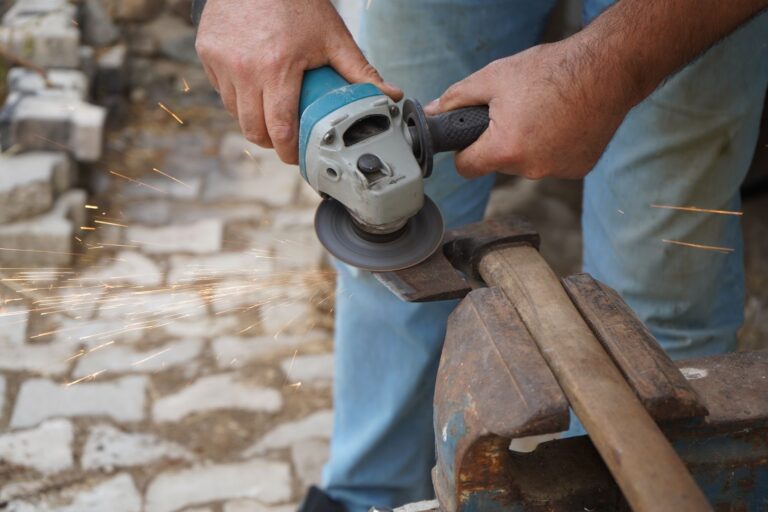
OSHA says power tools must stay in safe condition with guards and safety switches, as detailed in its Hand and Power Tools guidance. Never carry a tool by its cord or hose. Disconnect power when not in use, before service, and when changing blades or bits. A U.S.
Army safety article aligned with OSHA says grinder operators must wear eye or face protection. Keep manufacturer guards in place to block wheel contact and flying fragments if the wheel breaks. Before you leave, unplug each tool, remove starter keys, and take out battery packs. Coil cords out of reach so no one can plug in fast.
Clear fall hazards around locked areas
Fall risk rises around locked doors and busy shops. The CDC STEADI program uses Screen, Assess, Intervene to prevent falls in older adults. The CDC shares its patient and caregiver room-by-room checklist in fall prevention resources.
Use it for halls, stairs, and entries to garages and yards. Clear clutter and cords from paths to locked rooms. Remove or secure throw rugs, brighten lighting, and add handrails where steps turn.
Give the respite provider a supervision plan
Locks and checklists do not replace supervision. The National Institute on Aging notes rummaging, hiding, and wandering persist, so someone must still watch and redirect. Give every respite provider locked storage, unplugged tools, and removed keys plus a written hazard and supervision plan.
List locked rooms, where keys stay off-site, and who to call if a lock is forced. Keep the person away from shops and yards unless directly watched. Tape the one-page plan inside a kitchen cabinet and walk the provider through each lock before you leave.