Several common spices found in kitchen cabinets around the world have shown genuine potential to protect the brain from Alzheimer’s disease, with a handful backed by real clinical trials in human patients. Saffron stands out as the most rigorously tested, having matched the performance of standard Alzheimer’s drugs like donepezil and memantine in head-to-head clinical trials. Turmeric, meanwhile, produced a 28 percent improvement in memory scores in a UCLA study of older adults with mild memory complaints. These are not fringe claims from supplement companies — they come from peer-reviewed research published in respected journals.
But the picture is complicated. A 2021 review found that recommendations for these spices still lack robust clinical evidence overall, human dosing is not standardized, and none are formally recognized as adjuvant treatments for Alzheimer’s. Most of the research on spices like black pepper, ginger, rosemary, and cinnamon remains at the preclinical or animal model stage. What we have is promising, not proven — and the difference matters when you or someone you love is facing cognitive decline. This article examines six spices with the strongest research behind them, walks through what the clinical trials actually found, flags the important limitations, and offers practical guidance on what this all means for people trying to protect their brain health or support a loved one with dementia.
Table of Contents
- Which Spices Show the Most Promise for Protecting Your Brain From Alzheimer’s?
- Saffron — The Spice That Matched Alzheimer’s Drugs in Clinical Trials
- Turmeric and Curcumin — Promising Results Clouded by a Bioavailability Problem
- How Black Pepper and Cinnamon Work Together With Other Brain-Protective Spices
- Ginger and Rosemary — Where the Science Stands Today
- Why Bioavailability Is the Biggest Obstacle in Spice-Based Brain Protection
- What the Future Holds for Spice Research and Alzheimer’s Prevention
- Conclusion
- Frequently Asked Questions
Which Spices Show the Most Promise for Protecting Your Brain From Alzheimer’s?
The spices that have attracted the most serious scientific attention for Alzheimer’s prevention and treatment are saffron, turmeric, cinnamon, black pepper, ginger, and rosemary. A 2025 systematic review of 31 clinical trial articles on natural compounds for Alzheimer’s found 11 studies on herbal extracts showing potential cognitive and neuroprotective benefits, and these six spices appear repeatedly in the literature. They work through different mechanisms — some target the amyloid plaques and tau tangles that define Alzheimer’s pathology, while others reduce neuroinflammation or support acetylcholine function, the neurotransmitter most affected by the disease. Not all of these spices have equal evidence behind them, and that distinction is critical.
Saffron has the strongest human clinical trial data among all spices studied, including direct comparisons against FDA-approved Alzheimer’s medications. Turmeric has a mix of encouraging and disappointing trial results, largely because of bioavailability problems with curcumin. The remaining four — cinnamon, black pepper, ginger, and rosemary — have compelling laboratory and animal data but limited human trial evidence. If you are evaluating these spices for yourself or a family member, understanding where each one falls on the evidence spectrum will help you make informed decisions rather than chasing headlines.
Saffron — The Spice That Matched Alzheimer’s Drugs in Clinical Trials
Saffron has the most impressive clinical resume of any spice studied for Alzheimer’s disease. In a 22-week randomized clinical trial, 30 milligrams per day of saffron was found to be equally effective as 10 milligrams per day of donepezil — sold as Aricept, one of the most commonly prescribed Alzheimer’s medications — for mild-to-moderate Alzheimer’s. The saffron group experienced significantly fewer gastrointestinal side effects, particularly less vomiting, which is a common reason patients discontinue donepezil. A separate 46-patient clinical trial confirmed that 30 milligrams of saffron extract per day led to improved cognitive scores in patients with mild Alzheimer’s disease. The evidence does not stop at mild cases. A 12-month study compared saffron to memantine, another standard Alzheimer’s medication used for moderate-to-severe cases, and found that saffron matched the drug’s performance in slowing cognitive decline.
Research has also shown that saffron supplementation at 15 milligrams twice daily significantly decreased inflammatory markers while increasing total antioxidant capacity in the blood of mild-to-moderate Alzheimer’s patients. This suggests saffron may work through multiple pathways — not just symptom management but also addressing some of the underlying inflammation that drives disease progression. However, saffron comes with practical limitations. It is the most expensive spice in the world by weight, and quality varies enormously between suppliers. Adulteration is common in the saffron market, meaning cheaper products may contain little actual saffron. The clinical trials used standardized pharmaceutical-grade extracts at specific dosages, which is different from sprinkling saffron threads into your rice. Anyone considering saffron supplementation should discuss it with their doctor, particularly because it can interact with certain medications including blood thinners and some antidepressants.
Turmeric and Curcumin — Promising Results Clouded by a Bioavailability Problem
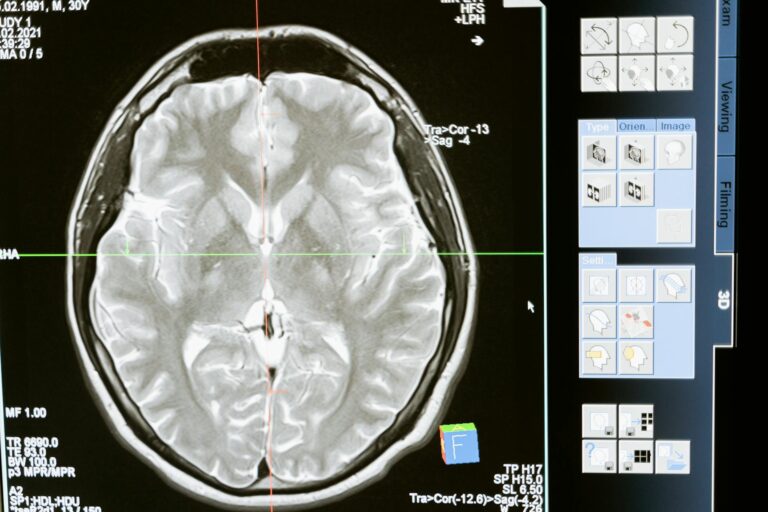
Turmeric’s active compound curcumin has attracted enormous research interest because it crosses the blood-brain barrier and can bind to and help clear both beta-amyloid plaques and neurofibrillary tau tangles — the two hallmark pathologies of Alzheimer’s disease. An 18-month double-blind, placebo-controlled UCLA study of 40 adults ages 50 to 90 with mild memory complaints found that those taking 90 milligrams of bioavailable curcumin twice daily improved memory test scores by 28 percent over the study period. The placebo group showed no improvement. PET scans in that study also showed significantly less amyloid and tau accumulation in the brains of participants taking curcumin. The word “bioavailable” in that UCLA study is doing a lot of heavy lifting, and it points to turmeric’s central problem. A separate 24-week randomized trial tested oral curcumin at higher doses of 2 grams per day and 4 grams per day in 36 persons with mild-to-moderate Alzheimer’s but found no statistically significant cognitive benefit. The difference between the two studies likely comes down to formulation.
Standard curcumin is poorly absorbed by the body — most of it passes straight through the digestive system without reaching the bloodstream, let alone the brain. The UCLA study used a specially formulated version designed for better absorption. This is an important reality check for anyone buying turmeric supplements off the shelf or simply adding more turmeric to their cooking. The golden lattes and turmeric capsules sold at health food stores typically contain standard curcumin with low bioavailability. Some formulations add piperine from black pepper to enhance absorption, and others use lipid-based delivery systems. But the gap between what worked in a controlled trial with a specific pharmaceutical-grade formulation and what you can buy at a grocery store is significant. Turmeric in food is unlikely to deliver therapeutic doses, though populations with high dietary turmeric intake — such as in parts of India — do show lower rates of Alzheimer’s in epidemiological studies, which keeps the research question alive.
How Black Pepper and Cinnamon Work Together With Other Brain-Protective Spices
Black pepper deserves attention not only for its own neuroprotective properties but for its role as a potentiator of other spices, particularly turmeric. Piperine, the active compound in black pepper, significantly improved memory impairment and reduced neurodegeneration in the hippocampus in animal models of Alzheimer’s-like cognitive deficit. Its mechanisms are broad — it works through antioxidative stress, anti-neuroinflammation, cholinergic function support, anti-amyloid-beta toxicity, anti-neuronal apoptosis, and synaptic function modulation. When combined with curcumin, piperine acts as a synergistic potent acetylcholine and amyloidogenic inhibitor with significant neuroprotective activity, which is why many turmeric supplements include a black pepper extract. There is a meaningful caveat with black pepper that rarely appears in popular health articles. Research found that high-dose piperine abolished hippocampal long-term potentiation in rat models, suggesting that excessive amounts may actually be harmful to the very brain processes you are trying to protect.
This is a useful reminder that more is not always better with bioactive compounds, and that the dose-response relationship can be nonlinear. The goal is not to consume as much piperine as possible but to use it strategically, particularly as a complement to curcumin. Cinnamon offers a different but complementary profile. It promotes greater blood flow to the brain, and increased cerebral blood flow is associated with better memory, particularly in older adults with cognitive impairment. Cinnamon compounds also help inhibit tau protein aggregation and prevent amyloid-beta peptide formation. Its neuroprotective effects extend to interfering with multiple oxidative stress and pro-inflammatory pathways and modulating endothelial function. One important distinction: Ceylon cinnamon is generally preferred over cassia cinnamon for regular supplementation because cassia contains higher levels of coumarin, which can stress the liver at high doses over time.
Ginger and Rosemary — Where the Science Stands Today
Ginger and rosemary round out the most-studied spices for Alzheimer’s protection, but their evidence base is thinner than saffron or turmeric when it comes to human data. In transgenic mice engineered to develop Alzheimer’s-like pathology, oral ginger reduced amyloid-beta plaque accumulation in the hippocampus and decreased expression of inflammatory markers GFAP and COX-2. Researchers have identified the active compound 6-gingerol as a key pathway target for regulating Alzheimer’s disease mechanisms. A 2026 cross-sectional study conducted in Shanghai examined the relationship between ginger consumption and dementia and mild cognitive impairment in a human population, adding to the growing evidence base, though cross-sectional studies cannot establish causation. Rosemary contains rosmarinic acid, which has been celebrated in the research literature for its potent antioxidant, anti-inflammatory, and neuroprotective properties.
Rosemary is included among the five most-studied spices for anti-Alzheimer’s properties alongside saffron, turmeric, cinnamon, and ginger, with evidence of inhibiting acetylcholinesterase — the same enzyme targeted by drugs like donepezil — and amyloid aggregation. But the honest assessment is that both ginger and rosemary still need well-designed human clinical trials before anyone can make strong claims about their effectiveness in Alzheimer’s patients. Animal and laboratory results frequently fail to translate to humans, and that pattern is especially common in Alzheimer’s research, where dozens of interventions that worked in mice have failed in human trials. The limitation here is not that these spices are useless — it is that we do not yet know the right doses, the right formulations, or the right patient populations for human use. Someone who adds ginger and rosemary to their diet is unlikely to cause harm and may gain some neuroprotective benefit, but they should not do so instead of pursuing established medical treatments for diagnosed cognitive decline.
Why Bioavailability Is the Biggest Obstacle in Spice-Based Brain Protection
The gap between what a spice compound can do in a laboratory dish and what it can do inside a living human brain is enormous, and bioavailability is usually the reason. Curcumin is the poster child for this problem — it shows remarkable effects in cell cultures and even in some animal models, but standard oral curcumin is so poorly absorbed that a 4-gram daily dose failed to produce cognitive benefits in one human trial while a much smaller 180-milligram dose of a specially formulated version succeeded in another. This is not unique to turmeric.
Many polyphenols and bioactive compounds in spices are rapidly metabolized by the liver, poorly absorbed in the gut, or unable to cross the blood-brain barrier in sufficient quantities. Researchers are working on solutions including nanoparticle delivery systems, lipid-based formulations, and combination approaches like the curcumin-piperine pairing. But for now, anyone considering spice-based supplements for brain health should pay close attention to formulation details rather than simply looking at the milligram count on a label. A 500-milligram capsule of generic turmeric extract is not the same thing as what was used in the UCLA trial, and treating them as equivalent is a common and potentially costly mistake.
What the Future Holds for Spice Research and Alzheimer’s Prevention
The next decade of research will likely clarify whether spices can move from “promising” to “recommended” for Alzheimer’s prevention and treatment. Saffron is closest to that threshold, with multiple clinical trials already showing equivalence to standard medications. Larger, multi-center trials with longer follow-up periods are needed to confirm these findings and establish standardized dosing protocols.
For turmeric, the focus will be on solving the bioavailability puzzle — if researchers can consistently deliver curcumin to the brain at therapeutic levels, the compound’s ability to target both amyloid and tau pathology makes it one of the most interesting natural candidates in Alzheimer’s research. The broader shift in Alzheimer’s science toward combination therapies and earlier intervention also creates new opportunities for spice-derived compounds. Rather than asking whether saffron alone can treat established dementia, future studies may examine whether combinations of these spices, taken over years before symptoms appear, can meaningfully delay or reduce the risk of cognitive decline. That question remains unanswered, but the biological plausibility is there, and the safety profiles of these spices at moderate doses are generally favorable — which is more than can be said for many pharmaceutical candidates that have entered and failed in Alzheimer’s trials.
Conclusion
The research on brain-protective spices is genuinely encouraging without being conclusive. Saffron has matched standard Alzheimer’s medications in multiple clinical trials. Curcumin from turmeric has shown the ability to improve memory scores and reduce amyloid and tau accumulation in a well-designed UCLA study, though bioavailability remains its Achilles’ heel. Cinnamon, black pepper, ginger, and rosemary all demonstrate neuroprotective mechanisms in laboratory and animal research, but they need more human data before strong recommendations can be made.
None of these spices should replace medical treatment for diagnosed Alzheimer’s disease or cognitive impairment. For people interested in brain health — whether for prevention or as a complement to existing treatment — the practical takeaway is to discuss these options with a doctor, particularly saffron and bioavailable curcumin formulations, which have the strongest evidence. Pay attention to product quality, standardized extracts, and realistic dosing. And maintain perspective: diet is one piece of a larger puzzle that includes physical exercise, sleep, social engagement, and cardiovascular health. Spices alone will not prevent Alzheimer’s, but the evidence increasingly suggests they may deserve a place in a broader strategy for protecting the aging brain.
Frequently Asked Questions
Can I just eat more turmeric in my food to get the brain benefits?
Probably not at therapeutic levels. The UCLA study that showed a 28 percent memory improvement used a specially formulated bioavailable curcumin supplement, not dietary turmeric. Standard curcumin from food is poorly absorbed. Adding black pepper can help somewhat, but cooking with turmeric is unlikely to deliver the doses used in clinical research. That said, populations with traditionally high turmeric consumption do show lower Alzheimer’s rates, so dietary use is not worthless — it is just not equivalent to supplementation.
Is saffron safe to take alongside Alzheimer’s medications like donepezil or memantine?
The clinical trials that compared saffron to these drugs tested them as alternatives, not in combination. There is limited data on taking saffron alongside standard Alzheimer’s medications. Anyone considering this should consult their prescribing physician, as saffron can interact with certain drug classes and combining it with existing medications without medical guidance is not advisable.
How much saffron should someone take for brain health?
The clinical trials consistently used 30 milligrams per day of standardized saffron extract, typically split into two 15-milligram doses. This is the dosage that matched donepezil and memantine in head-to-head trials and that reduced inflammatory markers while increasing antioxidant capacity. Higher doses have not been shown to be more effective and could increase the risk of side effects.
Are there any spices that could actually make cognitive decline worse?
There is a caution with black pepper. Research found that high-dose piperine abolished hippocampal long-term potentiation in rat models, meaning excessive amounts could theoretically impair memory formation. This does not mean normal dietary amounts of black pepper are dangerous, but it does mean that megadosing piperine supplements is unwise. Additionally, cassia cinnamon contains coumarin, which can affect liver function at high doses over extended periods.
Why hasn’t the FDA approved any spice-based treatments for Alzheimer’s?
The clinical evidence, while promising, has generally involved small sample sizes and relatively short study durations. A 2021 review noted that recommendations for these spices still lack robust clinical evidence, human dosing is not standardized, and they are not yet formally recognized as adjuvant treatments for Alzheimer’s. FDA approval requires large-scale Phase III trials, and natural compounds are difficult to patent, which reduces the financial incentive for pharmaceutical companies to fund those expensive trials.