Reviewed by the Help Dementia Editorial Team — our editors review every article for accuracy against guidance from the National Institute on Aging, the Alzheimer’s Association, and peer-reviewed sources.
The short answer is no—this comparison doesn’t hold up when you look at the actual research. Neither soybean oil nor brain health supplements have proven track records for protecting your brain or preventing cognitive decline in humans. The claim itself reflects a common pattern in health media: taking preliminary findings from animal studies and framing them as breakthroughs, when the evidence is far more limited.
If you’ve heard that soybean oil is better for your brain than supplements, you’ve encountered sensationalized reporting of legitimate—but limited—research that’s been taken further than the science supports. What *is* true is that soybean oil does affect the brain in animal studies, and that supplements have largely failed to deliver on their promises. But these are two separate stories. Understanding the difference matters for making real decisions about what you eat and what you spend money on.
Table of Contents
- What Does Research Actually Show About Soybean Oil and Brain Function?
- The Supplement Comparison—Why Both Options Fall Short
- Understanding the Animal Study Limitation
- The Neuroinflammatory Response—What It Means and Doesn’t Mean
- The Missing Human Evidence and Why It Matters
- What Actually Protects Brain Health According to Solid Evidence
- Making Sense of Emerging Research Without Falling for Hype
- Conclusion
What Does Research Actually Show About Soybean Oil and Brain Function?
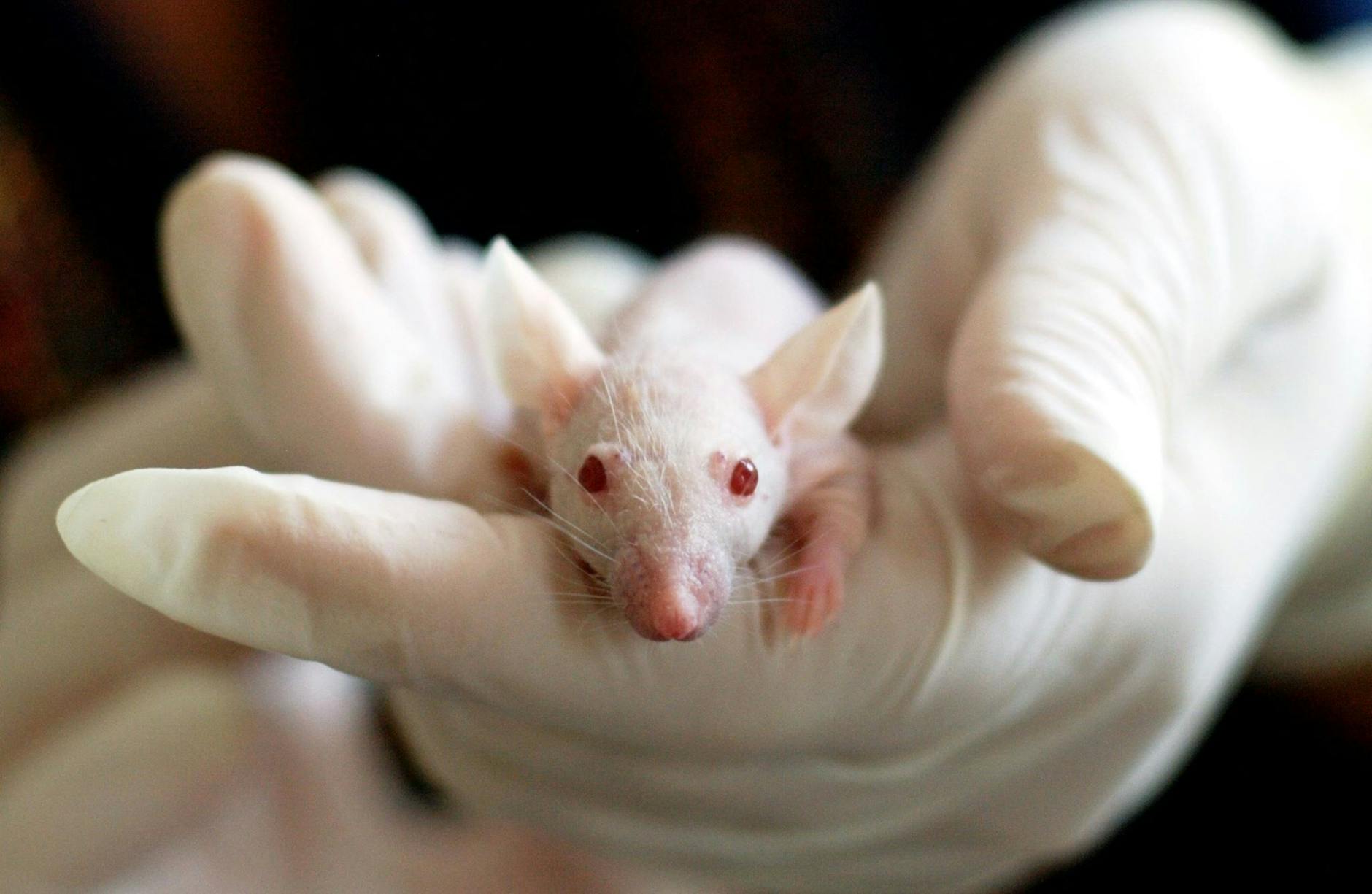
Recent studies have identified real changes in the brain after soybean oil consumption, at least in animal models. UC Riverside research found that soybean oil affects approximately 100 genes in mice, with impacts on energy metabolism and brain function. A 2024 study published in peer-reviewed journals showed that soybean oil induces neuroinflammatory responses through what researchers call the “brain-gut axis”—the communication network between your digestive system and your brain. In mice fed high-fat diets heavy in soybean oil, the research showed decreased oxytocin levels in the hypothalamus, the brain region involved in stress response and emotional regulation.
These findings are real and worth understanding. They suggest that the type of oil we consume might influence brain chemistry. But here’s the critical limitation: all of this research has been conducted on mice, not humans. A change in gene expression in a rodent’s brain doesn’t necessarily translate to cognitive consequences—or benefits—in people. When headlines declare that soybean oil affects your brain, they’re technically correct about the mouse data, but they’re silent on whether this matters for human health.

The Supplement Comparison—Why Both Options Fall Short
The comparison embedded in this article’s title is flawed because neither side of it has strong evidence behind it. According to Harvard Health and current medical consensus, no ingredients in brain health supplements have been proven to prevent memory loss or improve thinking in people. Fish oil supplements, for example, have been extensively studied and have consistently failed to show cognitive benefits in clinical trials, despite the fact that eating fish (which contains omega-3s naturally) is associated with better brain health. This distinction is important: whole foods don’t equal isolated supplements in how your body processes them.
So when you see soybean oil positioned as “better” than supplements, understand that you’re comparing two things with limited evidence for either. The real issue is that both supplement manufacturers and some health writers overstate what their products do. Supplements are regulated loosely and can make claims that far exceed what research supports. Soybean oil, meanwhile, is being discussed in scientific literature for its effects on mice brains—but extrapolating from that to human disease prevention is a leap.
Understanding the Animal Study Limitation
This is worth its own section because it’s where most confusion about brain health research originates. When researchers give mice a diet high in soybean oil, they’re creating a controlled laboratory scenario that doesn’t replicate how humans eat. A mouse eating a high-fat soybean oil diet is experiencing relative extremes that don’t match typical human consumption patterns. The doses, the duration, and the overall diet composition are all simplified versions of real life. More importantly, the presence of a biological change—like altered oxytocin levels or gene expression—doesn’t automatically mean that change causes a disease or prevents it.
The mouse studies show that soybean oil *affects* the brain. But affecting isn’t the same as harming or protecting. Before we could say soybean oil genuinely threatens brain health in humans, we’d need human studies showing cognitive decline linked to soybean oil consumption. We don’t have those studies. This is a crucial gap that responsible health reporting should acknowledge.
The Neuroinflammatory Response—What It Means and Doesn’t Mean
The 2024 research showing that soybean oil induces neuroinflammatory responses is interesting science, but it requires context. Neuroinflammation is a process where immune cells in the brain become activated. Some neuroinflammation is a normal part of how your brain responds to challenges. Chronic, excessive neuroinflammation is associated with neurodegenerative diseases like Alzheimer’s.
But not every instance of elevated neuroinflammatory markers in a mouse brain means a disease is developing. The research specifically noted that these responses occurred “particularly under high-fat diets”—meaning soybean oil alone didn’t trigger the effect, but soybean oil combined with overall high fat intake did. If you’re eating a typical American diet heavy in processed foods and oils, this is worth noting. But if you’re consuming soybean oil in moderate amounts as part of a balanced diet, the relevance of this mouse research to your actual risk is unclear. That uncertainty shouldn’t be hidden in headlines.
The Missing Human Evidence and Why It Matters
Here’s what we don’t have: any study showing that people who consume soybean oil develop cognitive problems at higher rates than those who don’t. We also don’t have studies showing that reducing soybean oil consumption prevents dementia or improves memory in humans. This absence of human evidence is the real limitation of all this mouse research. In science, particularly in medicine, the hierarchy of evidence puts human studies above animal studies for good reason—biology varies between species, and what happens in a controlled laboratory is different from what happens in the complexity of human life.
This doesn’t mean the mouse research is worthless. It means it should be interpreted as preliminary—as a reason to *study the question further in humans*, not as a reason to change your diet today. Anyone telling you soybean oil is definitely damaging your brain, or that you should definitely avoid it, is going further than the evidence allows. The honest statement is: we’ve identified changes in mouse brains from soybean oil, we don’t know if those changes happen in humans, and we definitely don’t know if they cause cognitive problems.

What Actually Protects Brain Health According to Solid Evidence
If you’re concerned about dementia and cognitive decline—which is a reasonable concern—the good news is that research has identified real, modifiable risk factors. Regular physical exercise, cognitive engagement (learning new skills, reading), social connection, quality sleep, and a diet rich in whole foods (particularly fruits, vegetables, and fish as whole foods, not as extracted supplements) are associated with better brain health outcomes. Mediterranean-style diets have the strongest evidence for supporting cognitive function as you age.
These aren’t as exciting as a discovery about a specific oil, and they require sustained effort rather than a supplement you can take once daily. But they’re backed by stronger research in human populations over time. If you’re trying to protect your brain, focusing on these established factors will give you better results than worrying about which oil is in your food.
Making Sense of Emerging Research Without Falling for Hype
The landscape of brain health research will continue to evolve. Studies on soybean oil, other oils, various supplements, and dietary components will keep coming. The challenge for anyone trying to stay informed is distinguishing between “this is interesting preliminary data that might lead somewhere” and “this is proven to affect your health.” The fact that soybean oil affects gene expression in mice is the former. A documented link between soybean oil consumption and cognitive decline in humans would be the latter.
Moving forward, look for research that has moved beyond animal models and is being tested in people. Look for studies that follow humans over years, not weeks. Be skeptical of comparisons like “better than supplements”—this phrasing often obscures the fact that neither option may have strong evidence. And remember that extraordinary health claims require extraordinary evidence, not just a study showing that something has a biological effect in a laboratory setting.
Conclusion
The premise that soybean oil protects your brain better than supplements isn’t supported by current evidence. What *is* supported is that soybean oil affects the brain in animal studies and that supplements have failed to deliver on most of their brain health promises. These are interesting facts, but neither one is a foundation for changing your diet or your health decisions. If you’re concerned about cognitive health, the research consistently points toward whole lifestyle factors: exercise, sleep, social engagement, cognitive challenge, and a diet based on whole foods rather than extracted oils or isolated compounds. The broader lesson here applies beyond soybean oil.
As brain health research advances, you’ll encounter many claims about specific nutrients, compounds, and foods. Your best protection against misinformation isn’t memorizing which studies say what—it’s understanding how to evaluate the evidence itself. Animal studies are a starting point, not an endpoint. Preliminary findings should be labeled as such, not presented as settled truth. And when two things are compared because both lack strong evidence, that comparison isn’t really telling you much at all.