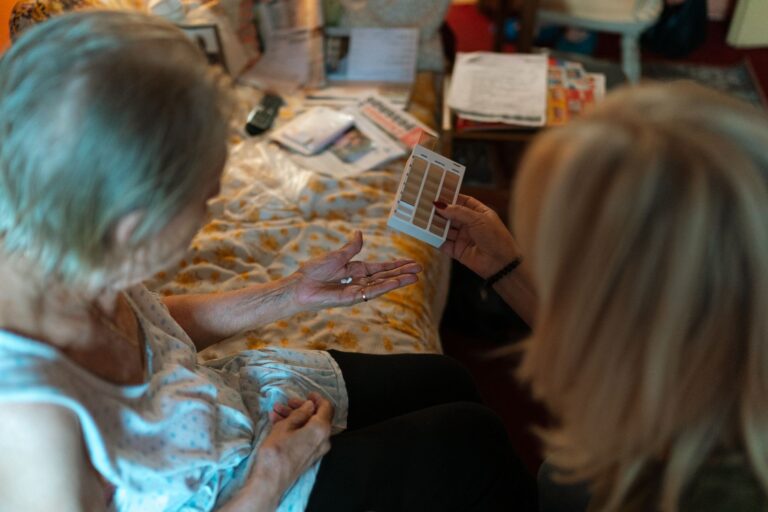
Social isolation raises the risk of dementia, but small, low-effort steps to reconnect and stay mentally engaged can meaningfully support brain health. Isolation means having objectively few social contacts, and research links it to roughly a quarter higher dementia risk in older adults—yet simple habits like a weekly phone call or a shared activity can help rebuild connection. This article explains what the evidence actually shows, who is most affected, and the concrete, manageable ways to add both social contact and mental stimulation to daily life. It also flags the honest limits of that evidence, so you can act with realistic expectations rather than false hope.
Medical information disclaimer: This article is for general educational purposes only and does not provide medical advice, diagnosis, or treatment. Always consult a physician or other qualified health professional about symptoms, medications, tests, or treatment decisions.
Table of Contents
- Isolation, loneliness, and why the difference matters
- What the evidence links to dementia risk
- How reliable is this evidence?
- Small ways to rebuild connection
- Where cognitive stimulation fits in
- Frequently Asked Questions
Isolation, loneliness, and why the difference matters
Social isolation and loneliness are related but not identical. The National Institute on Aging defines social isolation as having objectively few social contacts, while loneliness is the subjective, distressing feeling of being alone. A person can be isolated but content, or feel lonely in a full room. The distinction matters for what you do next. If someone rarely sees others, the goal is adding contact and activity.
If someone feels lonely despite company, the goal is deeper, more meaningful connection—not just more people. Both patterns are common in later life. Older adults are more likely to be isolated because they live alone, lose hearing or vision, and outlive friends and family. A National Academies report estimated that about 1 in 4 community-dwelling U.S. adults aged 65 and older are socially isolated.
What the evidence links to dementia risk
The strongest recent studies tie both isolation and loneliness to higher dementia risk. A Johns Hopkins study of Medicare beneficiaries found that socially isolated older adults had about a 27–28% higher risk of dementia over nine years. A separate pooled analysis funded by the NIA found loneliness raised dementia risk by roughly 31%, a magnitude comparable to physical inactivity or smoking.
This fits a broader prevention picture. The 2024 Lancet Commission lists social isolation among 14 modifiable risk factors that together account for about 45% of potentially preventable dementia cases. Isolation is one lever among many, not a standalone cause.
How reliable is this evidence?
These findings are associations, not proof of cause. The studies are observational, which means they track patterns without proving that isolation triggers dementia. Reverse causation is plausible: early, undiagnosed dementia can cause people to withdraw, making isolation partly a symptom rather than only a cause.
No randomized trial has shown that reducing isolation prevents dementia. So treat reconnection as a reasonable, low-risk step with broad health benefits—not a guaranteed shield. Reducing isolation supports mood, sleep, and heart health regardless of its effect on dementia, which is reason enough to act.
Small ways to rebuild connection
The encouraging part of the Johns Hopkins work is that connection need not be elaborate. The researchers noted that simple technology like texting and email may help older adults stay connected.
Low-effort contact counts. A few manageable starting points: Consistency matters more than intensity. A predictable, modest routine tends to last longer than an ambitious plan that fades.
- Schedule one recurring call or video chat each week, so contact does not depend on remembering.
- Send a short text or email to one person a day—a photo, a question, a quick update.
- Join a standing group activity: a faith service, library club, senior center class, or walking group.
- Address barriers directly: a hearing aid check or a larger phone screen can make contact possible again.
- Pair connection with errands, such as a regular coffee after grocery shopping.
Where cognitive stimulation fits in
Cognitive stimulation means structured activities—discussion, themed games, reminiscence, and problem-solving—usually done in a group to actively engage thinking. A Cochrane review found it offers a small benefit to cognition compared with usual care, roughly a six-month delay in expected decline, plus gains in communication and social interaction for people with mild-to-moderate dementia. Note the limits carefully.
Cognitive stimulation treats symptoms; it does not prevent or cure dementia. Its social nature is part of the appeal, because it combines mental engagement with human contact in one activity. For practical, vetted starting points, the NIA maintains a guide on loneliness, social isolation, and tips for staying connected. If withdrawal is sudden or paired with memory changes, ask a doctor to evaluate it rather than assuming it is only social.
Frequently Asked Questions
Does reducing social isolation prevent dementia?
No study proves that. The link is an association, and reverse causation is possible, but reconnecting is low-risk and benefits overall health.
Can cognitive stimulation reverse dementia?
No. Cochrane evidence shows it gives a small, temporary cognitive benefit and improves communication, but it treats symptoms rather than curing the disease.
What is the simplest first step?
Set one recurring weekly call and send a short daily text or email—the Johns Hopkins research highlighted simple contact like texting.