The 2026 second edition of the World Health Organization guideline on risk reduction of cognitive decline and dementia adds social activity as a step that may lower risk. Cognitive decline means a gradual loss of memory and thinking skills.
For adults over 65 with normal cognition or mild cognitive impairment, the update means regular social engagement is now part of dementia risk reduction. According to the World Health Organization, the second edition released on 15 July 2026 updates the 2019 edition to reflect major growth in evidence, as described in the WHO announcement. The World Health Organization states that up to 45 percent of dementia risk could be prevented or delayed by addressing modifiable factors across life.
Medical information disclaimer: This article is for general educational purposes only and does not provide medical advice, diagnosis, or treatment. Always consult a physician or other qualified health professional about symptoms, medications, tests, or treatment decisions.
Official resources:
- Read the official guidance from Who — Use this primary source to verify the official guidance.
- Read the official guidance from Who — Use this primary source to verify the official guidance.
Table of Contents
- What changed since 2019?
- Who does the new guidance cover?
- How strong is the evidence?
- What counts as protective social contact?
What changed since 2019?
The 2019 guideline made no recommendation on social activity because evidence was lacking. The 2026 guideline adds a new conditional recommendation that social activity interventions may reduce risk in adults with normal cognition or mild cognitive impairment.
According to Healthed reporting on the WHO summary, the change cites social disconnection including isolation and loneliness as a modifiable risk factor, as explained in the Healthed guideline summary. That shift moves social connection from background context to direct guidance.
Who does the new guidance cover?
The guidance applies to adults without dementia. It includes people over 65 with normal memory and thinking or mild impairment.
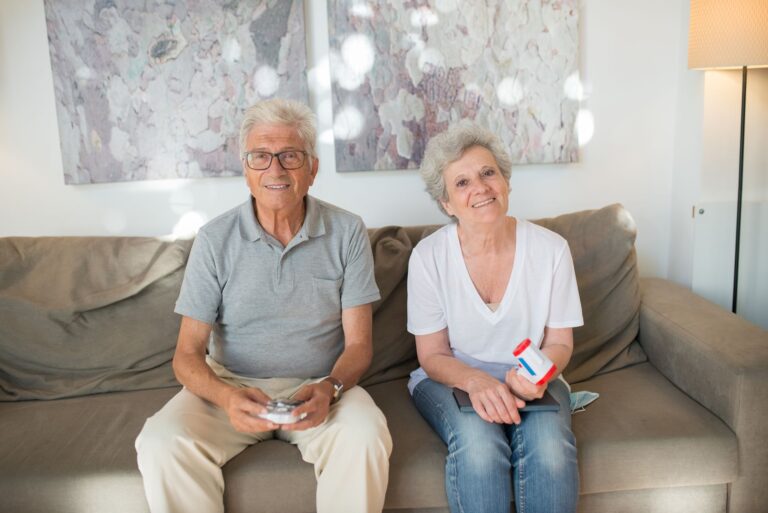
That focus makes regular contact especially relevant after retirement, bereavement, or reduced mobility. Family members and caregivers can use the guidance to support routines for older relatives.
How strong is the evidence?
WHO rates the certainty of the social-activity evidence as very low. The recommendation is conditional, which means benefits are uncertain and action depends on personal context, values, and feasibility.
The full WHO text, shared via the second-edition PDF summary, signals caution without dismissing action. Readers should treat social engagement as a low-harm addition to proven vascular and lifestyle steps, not a guarantee.
What counts as protective social contact?
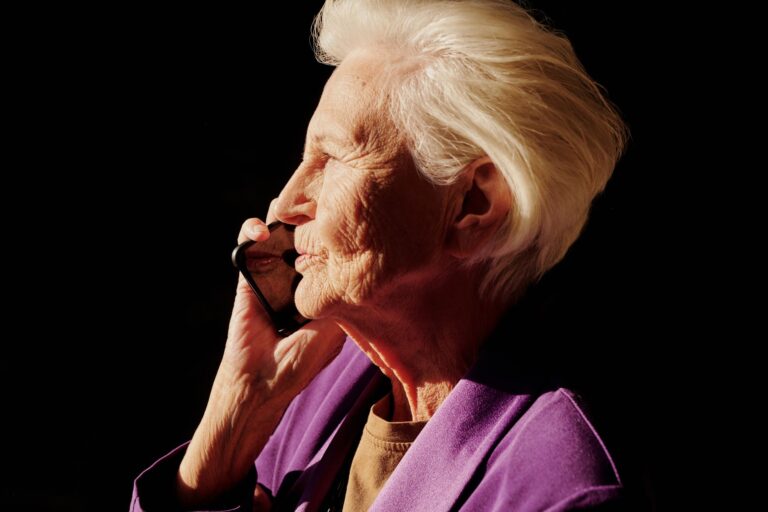
Reported practical implications center on low-cost, repeated contact that builds cognitive reserve and slows decline. According to Medical News Today reporting on the guideline, examples include phoning friends, meeting for lunch, and group or community participation, as listed in the lifestyle-guidance report. Useful weekly options include: Pick one fixed weekly slot and keep it.
- phone or video call with a friend or relative
- lunch, walk, or hobby meetup with others
- group class, club, volunteer shift, or community event