Reviewed by the Help Dementia Editorial Team — our editors review every article for accuracy against guidance from the National Institute on Aging, the Alzheimer’s Association, and peer-reviewed sources.
Simple change sits at the center of this dementia and brain health question.
The claim that a simple change to doing puzzles might prevent 31 percent of dementia cases sounds compelling, but it doesn’t match current scientific evidence. Research does show that puzzles and cognitively stimulating games offer measurable protection against dementia and cognitive decline—but the actual benefit is more modest and nuanced than that headline suggests. Studies consistently demonstrate that regular puzzle engagement is associated with a 9 percent reduced risk of dementia and can delay the onset of memory problems by years in people who do develop cognitive issues. The key insight isn’t that puzzles are a magic solution, but rather that they represent one effective tool in a broader strategy for brain health.
What makes puzzles particularly valuable is their accessibility and the brain science behind them. When you work through a crossword, jigsaw, or logic puzzle, you’re engaging multiple cognitive systems simultaneously—pattern recognition, memory retrieval, spatial reasoning, and problem-solving. A 67-year-old retired teacher who started doing daily crosswords as part of her cognitive health routine might delay the onset of memory decline by 2.54 years compared to someone who doesn’t engage in such activities. That’s not prevention in the absolute sense, but it’s a meaningful extension of independent, engaged living.
Table of Contents
- What Does Research Actually Show About Puzzles and Dementia Prevention?
- How Do Puzzles Protect the Brain Over Time?
- What Types of Puzzles Offer the Best Brain Protection?
- Building a Sustainable Puzzle Routine for Cognitive Health
- What Puzzles Cannot Do—Important Limitations
- Puzzles as Part of a Comprehensive Brain Health Strategy
- The Future of Cognitive Activity and Dementia Research
- Conclusion
- Frequently Asked Questions
What Does Research Actually Show About Puzzles and Dementia Prevention?
The scientific literature is clear about what puzzles can and cannot do. A comprehensive review of cognitive activities—including games, cards, chess, crosswords, and puzzles—found an association with a 9 percent reduced dementia risk overall. This isn’t a 31 percent reduction, but it’s a statistically significant protective effect that appears consistently across multiple studies. For people who already have mild cognitive impairment or early memory problems, the benefits become even more pronounced. Crossword puzzle participation specifically delayed memory decline onset by 2.54 years in subjects who eventually developed dementia, meaning those individuals maintained better cognitive function for several additional years.
Recent research from 2024 published in Nature reveals that board games and puzzles are among the strongest predictors of reasoning skills. In a study of over 9,000 participants, researchers found that the type of cognitive engagement matters. Computer-based brain games, while popular, actually underperformed compared to traditional crossword puzzles and board games when it comes to slowing memory loss in older adults with mild cognitive impairment. This finding is important because it suggests that the format and nature of the cognitive activity—not just any mental stimulation—produces the best outcomes. A Duke University study directly compared crossword puzzles to computer brain training games and found that crosswords provided superior memory benefits for older adults experiencing early cognitive decline.
How Do Puzzles Protect the Brain Over Time?
When you engage with puzzles, you’re activating neural networks that might otherwise atrophy with age. The brain operates on a “use it or lose it” principle, and puzzles provide sustained, varied mental exercise that keeps multiple cognitive systems engaged. This neuroplasticity—the brain’s ability to form new neural connections—is thought to be the mechanism behind the protective effect. For people over 80 years old who maintain high cognitive activity through puzzles, reading, and games, research suggests the ability to delay Alzheimer’s disease onset by approximately 5 years.
However, there’s an important limitation to understand: puzzles alone cannot prevent dementia. The research consistently shows that cognitive activities work best as part of a comprehensive approach that includes physical exercise, a healthy diet, avoiding smoking, and limiting alcohol consumption. Someone who does crossword puzzles daily but remains sedentary, eats poorly, and drinks excessively won’t receive the same protective benefits as someone who combines cognitive stimulation with these other lifestyle factors. Additionally, these studies show correlation and association, not absolute causation. It’s possible that people who do puzzles regularly also tend to have other health-promoting behaviors that contribute to cognitive protection.
What Types of Puzzles Offer the Best Brain Protection?
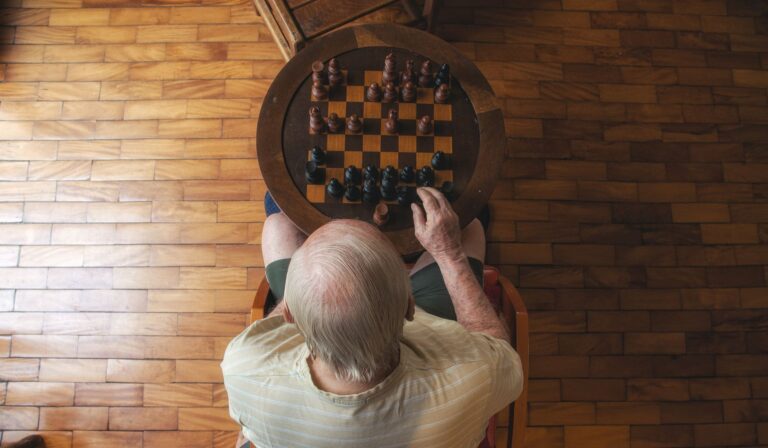
Not all puzzles provide equal cognitive benefit. Crossword puzzles consistently emerge as among the most effective in research studies, likely because they engage language processing, memory retrieval, and pattern recognition simultaneously. Jigsaw puzzles activate spatial reasoning and visual-motor coordination. Logic puzzles and Sudoku engage executive function and problem-solving. Chess and strategy board games require planning, pattern recognition, and abstract thinking.
The variation itself may be beneficial—someone who rotates between different puzzle types may stimulate a broader range of cognitive systems than someone who does only one type. A practical example: Margaret, a 72-year-old with early signs of memory loss, started a routine of doing one crossword puzzle in the morning and spending 20 minutes on Sudoku in the afternoon. She also joined a weekly chess group. Over the course of two years, her cognitive test scores remained stable while a control group with similar baseline impairment showed measurable decline. The combination of different puzzle types, the social element of group chess, and the daily consistency all likely contributed to her better outcomes. This illustrates how puzzle engagement isn’t just about the puzzle itself, but about making it a regular, varied part of daily life.

Building a Sustainable Puzzle Routine for Cognitive Health
The most important factor is consistency and sustainability. Doing puzzles sporadically won’t provide meaningful cognitive benefit; the protection comes from regular engagement over months and years. Starting with 15 to 20 minutes daily of puzzles you genuinely enjoy is more effective than forcing yourself to do an hour of something you find tedious. The enjoyment factor matters because it increases the likelihood you’ll maintain the habit long-term. Many people find that incorporating puzzles into their daily routine—first thing in the morning with coffee, during lunch, or in the evening—makes the practice stick.
The tradeoff to consider is time and accessibility. Some people have limited manual dexterity and find physical puzzles difficult. For them, digital puzzle apps or online platforms can provide similar cognitive benefits. However, research suggests that the tactile element of physical puzzles might offer additional benefits for spatial reasoning and motor coordination. A 78-year-old with arthritis might find that digital crossword apps are more accessible and sustainable than paper puzzles, and the cognitive benefit would still be substantial. The goal is finding the puzzle format that works for your specific situation and interests, because consistency matters more than the specific type of puzzle.
What Puzzles Cannot Do—Important Limitations
While puzzles offer documented cognitive benefits, they cannot completely prevent dementia or reverse cognitive decline once it’s advanced. Research shows puzzles can slow the progression and delay onset, but they are not a cure or absolute preventive. Genetics, head injuries, cardiovascular health, and other factors also significantly influence dementia risk. Someone with a strong family history of early-onset Alzheimer’s should not rely solely on puzzles, expecting them to prevent a genetically predetermined disease.
Puzzles are a protective factor, not a guarantee. Additionally, the cognitive reserve that puzzles help build may mask early dementia symptoms rather than prevent the underlying disease process. Someone with significant cognitive reserve might perform normally on memory tests even while brain changes associated with dementia are occurring. This is actually beneficial—it extends the period of independent living—but it’s not the same as preventing the disease at a biological level. There’s also the risk of false reassurance: someone who does puzzles regularly might feel they’re doing everything necessary for brain health and neglect other critical factors like blood pressure management, diabetes control, or social engagement, all of which independently affect dementia risk.

Puzzles as Part of a Comprehensive Brain Health Strategy
The strongest evidence for dementia prevention and cognitive maintenance comes from multimodal approaches. Studies examining lifestyle interventions that combine cognitive stimulation (puzzles, learning, reading), physical exercise, healthy diet, social engagement, and cardiovascular health management show the most impressive results. A person who does puzzles, walks for 30 minutes daily, maintains social connections, eats a Mediterranean-style diet, and has well-controlled blood pressure has substantially better cognitive outcomes than someone doing puzzles alone.
Consider the example of a community brain health program that combined weekly puzzle groups with exercise classes, cooking workshops focused on brain-healthy foods, and social gatherings. Participants in this comprehensive program maintained cognitive function significantly better than individuals in a control group, even when the groups were matched for baseline cognitive status. The puzzle component was important, but it was the combination that produced meaningful results. Social engagement—the group element itself—added a separate protective benefit beyond the cognitive stimulation of the puzzles.
The Future of Cognitive Activity and Dementia Research
Ongoing research continues to refine our understanding of how different cognitive activities affect brain health. Recent studies are investigating whether certain puzzle types or specific difficulty levels produce better outcomes than others. There’s also growing interest in how cognitive engagement interacts with other emerging preventive therapies, from blood pressure medications to new Alzheimer’s-targeting drugs. The landscape of brain health is evolving, and puzzles are increasingly recognized as a valuable component of preventive strategies.
Future research will likely provide more precise guidance about optimal puzzle engagement—how much time, what types, at what difficulty level, and in combination with which other activities. What’s already clear is that we don’t need to wait for a perfect intervention. The evidence available today supports making puzzles a regular part of life, particularly for people concerned about cognitive aging or those showing early signs of cognitive decline. The 31 percent figure in the title may not reflect current scientific evidence, but the actual benefits—a 9 percent dementia risk reduction, a 2.54-year delay in memory decline onset, and the potential to maintain cognitive function for years longer—are substantial and worth pursuing.
Conclusion
Puzzles don’t prevent 31 percent of dementia cases based on current scientific evidence, but they do offer measurable, documented cognitive protection. The research consistently shows that regular puzzle engagement reduces dementia risk by approximately 9 percent and can delay cognitive decline onset by years. This protection works through neuroplasticity and cognitive reserve—the brain’s ability to form new connections and compensate for age-related changes. The benefit is real and meaningful, but it’s part of a larger picture.
Start incorporating puzzles into your daily routine if you haven’t already, but think of them as one tool in a comprehensive approach to brain health. Combine regular crossword puzzles, Sudoku, or jigsaw puzzles with physical activity, a healthy diet, social engagement, and attention to cardiovascular health. The modest, well-supported benefits of puzzle engagement become more significant when combined with these other protective factors. Whether you’re 55 and interested in prevention or 75 and experiencing early memory changes, establishing a sustainable puzzle habit today is a practical, evidence-based step toward better cognitive health tomorrow.
Frequently Asked Questions
What’s the actual percentage of dementia prevention from puzzles?
Current research shows a 9 percent reduction in dementia risk associated with puzzle and game engagement, not 31 percent. For people who develop dementia despite cognitive engagement, puzzles can delay the onset of memory decline by approximately 2.54 years.
How often should I do puzzles to get the cognitive benefit?
Daily or nearly daily engagement appears most effective based on research. Starting with 15 to 20 minutes per day of puzzles you genuinely enjoy is sustainable and shows measurable cognitive benefits.
Are digital puzzle apps as effective as paper puzzles?
Digital and paper puzzles provide similar cognitive benefits. Research shows crossword puzzles outperform computer brain-training games, but this may reflect the specific game design rather than the digital format itself. Choose the format that you’ll use consistently.
Can puzzles prevent Alzheimer’s if I have a family history of dementia?
Puzzles can reduce risk and delay onset, but they cannot completely prevent dementia, particularly if there’s strong genetic predisposition. They should be combined with other protective measures including exercise, healthy diet, cardiovascular health management, and regular medical screening.
What’s the minimum amount of puzzle engagement needed to see benefits?
Research hasn’t established a precise minimum threshold, but studies showing benefit typically involved regular engagement—at least several times per week. Daily engagement appears to provide better outcomes than sporadic puzzle activity.
Do certain types of puzzles work better than others?
Crossword puzzles and board games show particularly strong associations with cognitive benefit in recent research. The variety itself may be beneficial—rotating between different puzzle types engages different cognitive systems and may provide broader brain protection than doing only one type.
You Might Also Like
- Simple Change to doing puzzles May Prevent 31 Percent of Dementia Cases
- Simple Change to yoga May Prevent 52 Percent of Dementia Cases
- Simple Change to yoga May Prevent 52 Percent of Dementia Cases
For more, see Alzheimer’s Association — clinical trials.