Self-injecting medication at home has become substantially safer over the past decade, and doctors increasingly support it for patients managing chronic conditions — including those related to neurological and cognitive health. The shift is driven largely by improvements in device design, particularly autoinjectors and prefilled pens that minimize the technical skill required. For someone with early-stage dementia or a caregiver administering a biologic drug, the margin for error has narrowed considerably compared to the days when most injections required drawing medication from a vial with a traditional syringe. Consider a patient recently prescribed a monoclonal antibody treatment — a class of drugs that has expanded into areas like migraine prevention, autoimmune conditions, and, more recently, investigational Alzheimer’s therapies.
A generation ago, that patient would likely need regular clinic visits for each dose. Today, many of these medications come in spring-loaded autoinjector pens designed so that the patient or a family caregiver can administer the drug at home with minimal training. The needle is hidden, the dose is premeasured, and the injection is triggered by pressing the device against the skin. This article covers why physicians have grown more comfortable with home injection, what specific safety improvements have made the difference, which medications commonly involve self-injection for brain health patients, the practical challenges caregivers face, and when home injection is not appropriate. We also address needle anxiety, storage and disposal concerns, and where the technology appears to be headed.
Table of Contents
- Why Are Doctors Now Saying Home Self-Injection Is Safer Than Before?
- Which Medications for Brain Health and Dementia Involve Self-Injection?
- What Caregivers Need to Know About Administering Injections at Home
- How Do Autoinjectors Compare to Traditional Syringes for Home Use?
- What Can Go Wrong With Home Injection and How Do You Avoid It?
- Proper Sharps Disposal and Why It Matters More Than You Think
- Where Is Home Injection Technology Headed?
- Conclusion
- Frequently Asked Questions
Why Are Doctors Now Saying Home Self-Injection Is Safer Than Before?
The primary reason is device engineering. Autoinjectors — the EpiPen being the most widely recognized example — have evolved from clunky, intimidating instruments into streamlined devices that require little more than removing a cap and pressing a button. Prefilled syringes now come with needle guards that retract or cover the needle before and after use, reducing both needlestick injuries and contamination risk. For patients with cognitive concerns or dexterity limitations, these design changes are not trivial. They represent the difference between a procedure that demands steady hands and careful measurement and one that is largely automated. drug manufacturers have also invested heavily in patient support programs that include in-home nursing visits for the first injection, instructional videos, and 24-hour helplines. Historically, the learning curve for self-injection was steep and patients were largely on their own after a brief clinic demonstration.
That model has shifted. Pharmaceutical companies now recognize that adherence — whether patients actually take the medication on schedule — depends on making home use as frictionless as possible. A comparison is instructive: early interferon-beta treatments for multiple sclerosis in the 1990s required manual mixing, careful dosing, and rotating injection sites with minimal guidance. Current MS biologics often come ready to inject with built-in dose counters and automatic needle retraction. There is also the matter of clinical data. Studies over the past several years have generally shown that self-injection at home, when patients are properly trained, produces comparable outcomes to clinic-administered injections for many medications. Adverse event rates related to injection technique — infections at the injection site, incorrect dosing, accidental needlesticks — have declined as device technology has improved. Physicians are responding to that evidence.

Which Medications for Brain Health and Dementia Involve Self-Injection?
The most prominent category is the newer class of anti-amyloid therapies being investigated and, in some cases, approved for early Alzheimer’s disease. As of recent reports, drugs like lecanemab (marketed as Leqembi) have been administered via intravenous infusion in clinical settings, but subcutaneous injection formulations have been under development or in various stages of regulatory review. If subcutaneous versions become widely available, they could open the door to home administration — a significant shift for Alzheimer’s treatment, which has historically required clinic or infusion center visits. Beyond Alzheimer’s-specific therapies, several self-injectable medications are commonly used by older adults who may also be managing cognitive decline. These include blood thinners like enoxaparin (Lovenox), which patients often inject at home after surgery or during treatment for blood clots.
Insulin, of course, remains the most widely self-injected medication worldwide, and diabetes management is particularly relevant for dementia caregivers since poorly controlled diabetes is a recognized risk factor for cognitive decline. CGRP inhibitors for migraine prevention, such as fremanezumab (Ajovy) and galcanezumab (Emgality), also use autoinjector delivery. However, if a patient has moderate to advanced dementia, self-injection is generally not appropriate without caregiver involvement. The cognitive demands — remembering the schedule, following multi-step instructions, recognizing an adverse reaction — exceed what many patients with significant impairment can manage independently. This is a critical distinction that gets lost in optimistic reporting about home-use safety. The safety improvements assume a baseline level of comprehension and physical capability that not every patient has.
What Caregivers Need to Know About Administering Injections at Home
For family caregivers of dementia patients, the prospect of giving injections can be daunting. The most common concern is not the mechanics — most modern devices are straightforward — but the emotional weight. Inserting a needle into a loved one, especially one who may be confused or resistant, adds a layer of stress that clinical studies on injection safety do not fully capture. Training is essential and should go beyond watching a video. Caregivers should request a hands-on demonstration from a nurse or pharmacist, ideally using the actual device (many manufacturers provide trainer pens without needles for practice).
They should also learn to identify signs of an adverse reaction — swelling, redness, or warmth at the injection site that worsens rather than fades, as well as systemic symptoms like difficulty breathing that could indicate a rare allergic response. A specific example worth noting: one caregiver support forum has documented cases where family members administered an autoinjector correctly but panicked at normal post-injection bruising, leading to unnecessary emergency room visits. Knowing what is normal and what is not saves both anxiety and healthcare costs. Timing and routine matter enormously for households managing dementia. Linking injection schedules to existing routines — after breakfast, before a favorite television program — can help both the caregiver and the patient anticipate the process. some caregivers find that a calm, matter-of-fact approach reduces agitation in patients who might otherwise become distressed by an unfamiliar medical procedure.
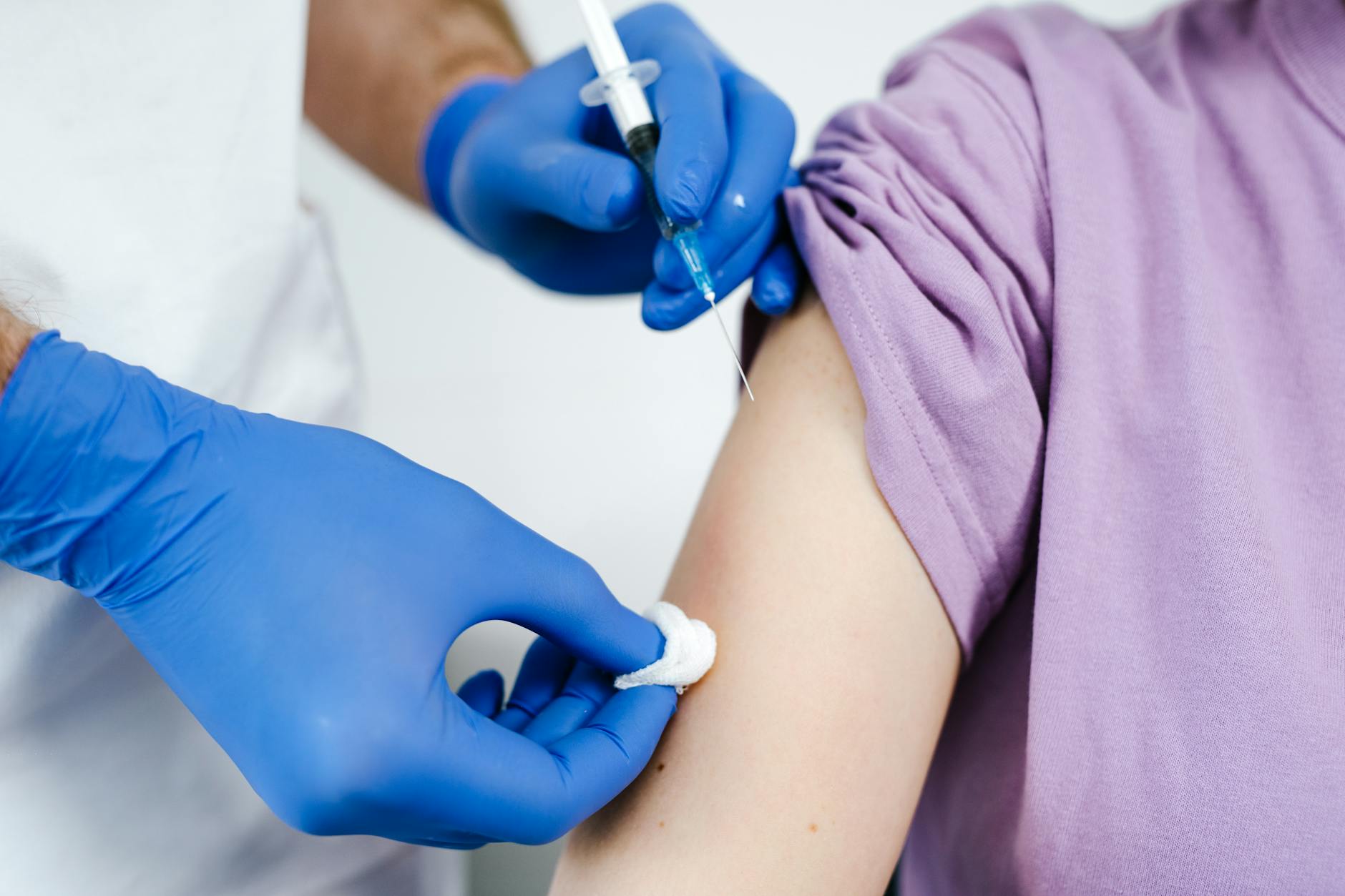
How Do Autoinjectors Compare to Traditional Syringes for Home Use?
The tradeoff between autoinjectors and traditional syringes comes down to convenience versus cost and flexibility. Autoinjectors are easier to use, require less training, and reduce the risk of dosing errors because the medication is premeasured. For someone with arthritis, tremors, or limited vision — all common in the aging population most affected by dementia — an autoinjector is almost always the better option mechanically. The spring-loaded mechanism means less hand strength is needed, and the hidden needle reduces anticipatory anxiety. Traditional syringes and vials, on the other hand, are significantly cheaper. For patients paying out of pocket or managing medications where an autoinjector version is not available, vial-and-syringe remains the standard.
The skill required is higher: drawing the correct volume, clearing air bubbles, selecting and rotating injection sites, and disposing of sharps properly all demand training and cognitive engagement. For a caregiver administering insulin multiple times daily, the technique becomes second nature relatively quickly. But for a once-monthly biologic, there may not be enough repetition to build real comfort. A middle option — the prefilled syringe — offers some advantages of both. The dose is premeasured, eliminating the drawing step, but the injection itself is manual rather than spring-loaded. Prefilled syringes are generally less expensive than autoinjectors for the same medication and are often available when the autoinjector version carries a premium. For caregivers with steady hands and good training, they represent a reasonable compromise.
What Can Go Wrong With Home Injection and How Do You Avoid It?
The most common errors in home self-injection are not dramatic. They are mundane and cumulative. Injecting into the same site repeatedly rather than rotating can cause lipodystrophy — hardened or pitted tissue that impairs drug absorption. Failing to let a refrigerated medication reach room temperature before injecting can cause unnecessary pain and potentially affect how the drug is absorbed. Storing medication improperly — leaving it in a hot car, freezing it accidentally, using it past its expiration date — can render it ineffective without any visible indication that something is wrong. A more serious but less common risk involves contamination.
While modern prefilled devices minimize this concern, any time skin is punctured, there is a theoretical infection risk. Alcohol swab use before injection is standard guidance, but studies have shown mixed results on whether it meaningfully reduces infection rates for subcutaneous injections. Regardless, maintaining a clean injection environment matters more than most patients realize — a kitchen table covered in food preparation residue is not ideal. For dementia caregivers specifically, there is a warning worth emphasizing: if the patient becomes agitated or combative during injection, do not force the process. A partial dose from a jostled autoinjector, or worse, a needlestick injury to the caregiver, creates more problems than a delayed dose. Discuss with the prescribing physician what to do if a dose is missed or only partially administered. Most medications have a window of flexibility that is wider than patients assume.

Proper Sharps Disposal and Why It Matters More Than You Think
Used needles, syringes, and autoinjectors are classified as sharps waste, and improper disposal is both a safety hazard and, in many jurisdictions, a legal violation. Caregivers should use an FDA-cleared sharps container — not a coffee can, not a plastic bag, not the household trash. When the container is full, disposal options vary by location: some pharmacies accept them, some communities offer mail-back programs, and some have designated drop-off sites. The Safe Needle Disposal website maintained by the Coalition for Safe Community Needle Disposal has historically provided a searchable database of local options.
This is not a minor concern for dementia households. A patient who does not remember that a sharps container is dangerous may attempt to open it or knock it over. Containers should be stored in a secure location out of reach, and caregivers managing multiple medications should ensure the container is replaced well before it reaches capacity. An overfull sharps container is a needlestick injury waiting to happen.
Where Is Home Injection Technology Headed?
The trajectory points toward even greater simplification. Wearable injectors — patch-like devices that adhere to the skin and deliver medication over minutes or hours — are already in use for some oncology drugs and are being explored for biologics that require larger fluid volumes than a standard autoinjector can deliver in a single quick injection. For Alzheimer’s therapies that may eventually move to subcutaneous delivery, this technology could be particularly relevant, as it would reduce the injection to applying what looks like an adhesive bandage.
Connected devices are another emerging development. Some autoinjectors now include Bluetooth connectivity that logs injection time, dose, and even injection site to a smartphone app, which can then share data with a healthcare provider. For caregivers managing a dementia patient’s complex medication regimen, this kind of automatic record-keeping addresses one of the most persistent challenges: reliable tracking of what was given and when. While these technologies are not yet widespread, they suggest a future in which home injection is not just safe but actively monitored in ways that clinic visits cannot match.
Conclusion
Home self-injection has genuinely become safer, and the reasons are concrete rather than aspirational — better devices, better training infrastructure, and a growing evidence base supporting home administration for many injectable medications. For families navigating dementia care, this shift means fewer disruptive clinic visits, greater scheduling flexibility, and in some cases access to treatments that might otherwise feel unmanageable. The key is proper training, realistic expectations about what a patient with cognitive impairment can manage independently, and open communication with the prescribing physician about any difficulties that arise.
That said, safer does not mean foolproof. Caregivers should not hesitate to ask for refresher training, to call the prescriber when something seems off, or to request in-home nursing support if the injection process becomes a source of significant stress. The goal of home injection is to make treatment more accessible — not to shift clinical responsibility entirely onto families who are already carrying an enormous load.
Frequently Asked Questions
Can a person with early-stage dementia self-inject their own medication?
It depends on the individual’s cognitive and physical capabilities. Some people with mild cognitive impairment or early dementia can manage autoinjector devices independently, particularly if the routine is well-established and someone checks in regularly. However, this should be evaluated on a case-by-case basis with the prescribing physician, and a caregiver should always be aware of the injection schedule even if they are not directly administering it.
What should I do if I accidentally inject the medication into muscle instead of subcutaneously?
For most subcutaneous medications, an accidental intramuscular injection is not dangerous, but it may affect how quickly the drug is absorbed. Do not re-dose. Contact your pharmacist or prescriber to report what happened and ask whether any monitoring is needed. Using the recommended needle length and injection angle — typically 45 or 90 degrees depending on the device and the patient’s body composition — reduces this risk.
How do I manage injection anxiety in a patient who has dementia and cannot understand why they need the shot?
Minimize the buildup. Avoid lengthy explanations that may increase confusion or agitation. Use a calm, reassuring tone and, if possible, administer the injection during a time when the patient is relaxed. Some caregivers find that applying a topical numbing cream 20 to 30 minutes beforehand reduces the patient’s discomfort and, by extension, their resistance. If agitation is severe and consistent, discuss alternatives with the physician — some medications may be available in non-injectable forms.
Do I need to aspirate (pull back the plunger) before injecting?
For most subcutaneous injections, aspiration is no longer recommended by major clinical guidelines including those from the CDC. Autoinjectors do not allow for aspiration at all. If you are using a traditional syringe and were trained to aspirate, follow your provider’s specific instructions, but be aware that current best practice for subcutaneous injections generally considers this step unnecessary.
How long can I keep a biologic medication out of the refrigerator before injecting it?
This varies significantly by medication. Some biologics can remain at room temperature for 30 minutes before injection; others allow several hours or even days under certain conditions. Always check the specific medication’s prescribing information or patient guide. Never microwave or use hot water to warm a medication, and do not re-refrigerate a biologic that has reached room temperature unless the manufacturer’s instructions explicitly permit it.
You Might Also Like
- The Medication Causing Birth Defects That Doctors Still Prescribe
- The Tropical Disease Medication You Need Before International Travel
- The Dog Medication That Humans Are Actually Taking for Pain
For more, see CDC — Alzheimer’s and Dementia.