Security delays sits at the center of this dementia and brain health question.
Security delays at U.S. airports have reached critical levels and are significantly affecting airport efficiency across the country. As of March 2026, the situation stems directly from a Department of Homeland Security shutdown that began February 14, leaving 50,000 TSA officers without pay.
The staffing crisis has created bottlenecks at major travel hubs that rival anything the aviation system has experienced in recent years. For example, Houston’s George Bush Intercontinental Airport reported a 33.1% absence rate among TSA screeners on March 22, resulting in 2-hour security lines, while Atlanta’s Hartsfield-Jackson—the nation’s busiest airport—saw 31.8% of its security staff calling out and similarly extended waits. This article examines what’s driving the delays, which airports are affected most severely, what current wait times look like, and what passengers can do to navigate this disrupted travel environment.
Table of Contents
- Why Is the TSA Experiencing a Historic Staffing Crisis?
- Which Airports Are Experiencing the Worst Disruptions?
- What Are Passengers Actually Experiencing in Real Time?
- How Can Travelers Minimize Delays and Plan Ahead?
- What Special Considerations Apply to Older Travelers or Those with Health Conditions?
- Are There Airports or Airlines Unaffected by These Delays?
- What’s the Government Doing to Address the Crisis, and What Should Passengers Expect Next?
- Conclusion
Why Is the TSA Experiencing a Historic Staffing Crisis?
The root cause is straightforward: TSA officers have been working without paychecks since the DHS shutdown began February 14, 2026. Fifty thousand security screeners nationwide are operating under conditions no federal employee should endure—performing essential security work while unable to pay rent, utilities, or buy groceries. The psychological and financial toll has been severe. More than 300 TSA officers have already quit since the shutdown began, and the rate of quits is accelerating as officers realize the shutdown may be prolonged.
Those remaining on the job face impossible choices: work unpaid shifts or risk their careers by calling in sick or absent. The absence rate tells the story of a system under extreme stress. In the six days preceding March 22, the average absentee rate across TSA nationwide sat above 9%—nearly triple what would be considered normal operational levels. When you’re already understaffed due to employee departures, an additional 9%+ absence rate compounds the problem exponentially. A security checkpoint designed for 20 screeners operating at 85% staffing due to absences is simply not equipped to handle the volume of passengers trying to move through the airport.
Which Airports Are Experiencing the Worst Disruptions?
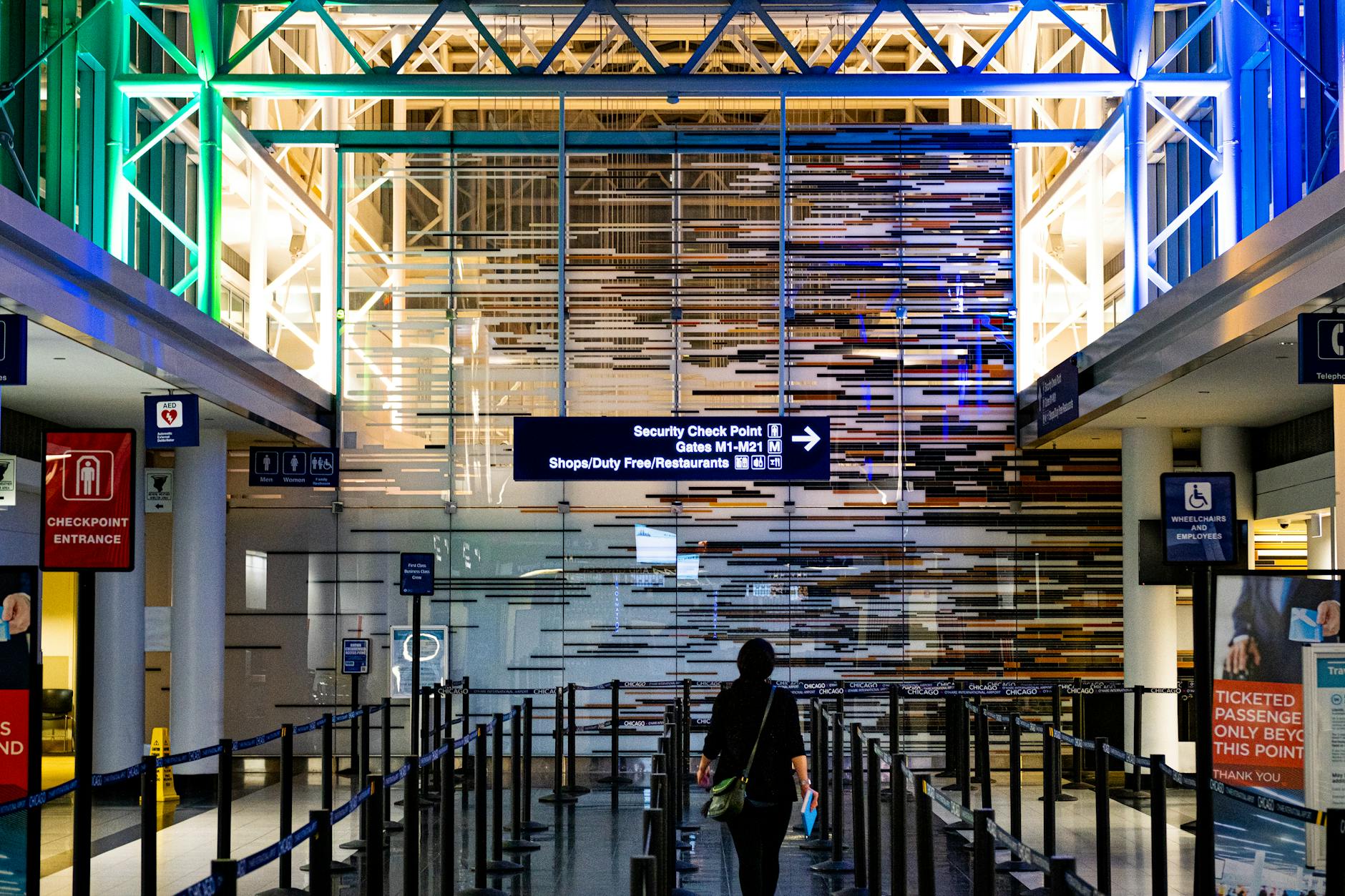
Not all airports are created equal when it comes to staffing impact. Major hub airports—where thousands of connecting passengers pass through daily—have been hit hardest. Houston’s George Bush Intercontinental Airport experienced the most severe collapse, with more than half of TSA staff calling out sick on certain days, creating a 33.1% absence rate. Atlanta’s Hartsfield-Jackson, which handles roughly 110 million passengers annually even in normal times, saw nearly a third of its TSA staff absent. New York’s JFK airport reported a 28.7% absence rate.
These aren’t minor disruptions—they represent the near-total dysfunction of security operations at some of the nation’s most critical transportation hubs. However, not every airport is affected equally. Smaller airports and regional hubs have experienced more moderate delays. New Orleans (Louis Armstrong International) recommended passengers arrive three hours early, while Newark reported roughly 39-minute waits, and Dallas area airports like Dallas Love Field and DFW International experienced waits of 20-30 minutes. The disparity reveals something important: the more capacity an airport normally operates at, the less slack exists in the system. A 15% absence rate at a smaller regional airport might be manageable; the same 15% rate at a major hub where every gate is always in use creates a cascading failure.
What Are Passengers Actually Experiencing in Real Time?
The wait times tell the story of passengers’ real airport experience. On Friday, March 22, 2026, Houston and Atlanta both reported 2-hour security lines. Houston’s Bush Intercontinental specifically saw 120-minute waits on Friday morning—meaning passengers arriving for a mid-morning flight could miss it standing in the security line. Even expedited programs are failing under the strain. Passengers holding CLEAR passes, which typically allow you to skip the main security line, were reporting waits of up to one hour as of March 22.
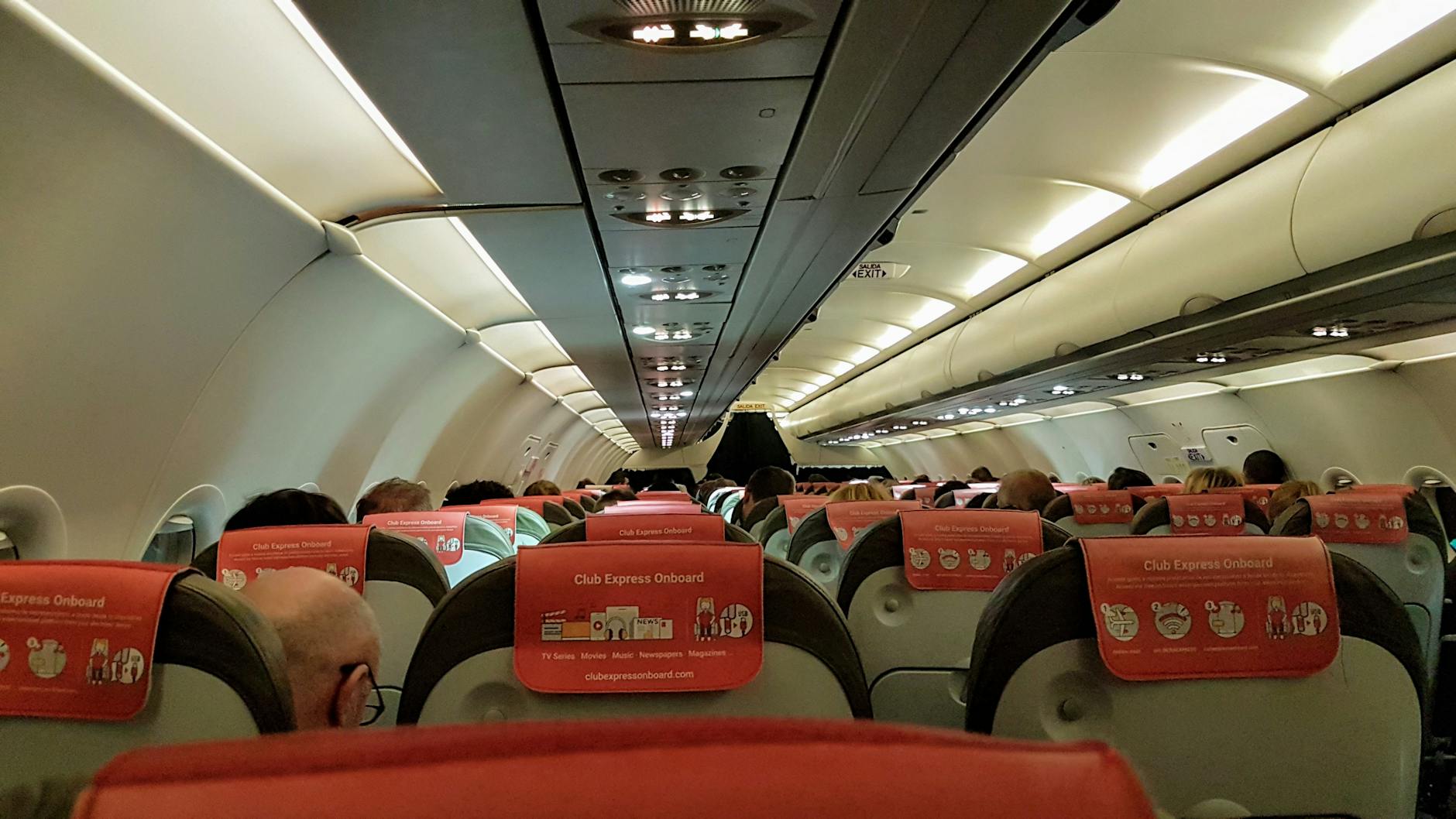
The CLEAR benefit assumes that most passengers are in the standard line; when a shortage of screeners means all lanes move slowly, even the express lane suffers. These wait times aren’t theoretical—they translate directly into missed flights, cascading delays, and compounded stress. A passenger arriving 90 minutes early for a domestic flight (the standard recommendation) is gambling with their travel plans at Houston or Atlanta. That’s before considering that long security waits are just the beginning; once through security, passengers then face flight delays. System-wide, flight delays have increased 500% at major hubs like Boston and Washington, D.C., with the TSA shortage contributing directly to this collapse. The broader aviation system has lost an estimated 1 million workhours to inefficiencies created by these bottlenecks.
How Can Travelers Minimize Delays and Plan Ahead?
The first and most important step is to be radically conservative with timing. The standard “arrive 90 minutes early for domestic flights” guidance is no longer sufficient for major hubs. At Houston, Atlanta, or New York JFK, arriving 2.5 to 3 hours early is now prudent. This is inconvenient, but it’s the only realistic strategy to avoid missing flights. Check recent wait time reports the morning of your flight—resources from TSA’s official channels and major news outlets provide updates on current conditions at specific airports. This real-time data is far more useful than generic planning advice.
If you have flexibility on when to travel, departing at off-peak times can help. Early morning flights (6-8 a.m. departures) and evening flights (after 7 p.m.) tend to have shorter security lines than mid-morning and afternoon departures. However, this advice comes with an important caveat: even off-peak travel is not immune to disruptions. The underlying staffing shortage affects all times of day. You’re reducing risk, not eliminating it. If you’re flying out of a smaller regional airport rather than a major hub, you’ll experience significantly shorter waits—a flight from Dallas Love Field takes roughly 20 minutes through security, while the same trip from Houston takes 120 minutes.
What Special Considerations Apply to Older Travelers or Those with Health Conditions?
For older adults, seniors traveling with dementia, or anyone with mobility or cognitive challenges, the extended wait times create genuine health and safety risks. Standing in a crowded airport security line for 2 hours creates physical stress—fatigue, dehydration, and difficulty managing medications or medical equipment. Long waits increase anxiety, which can be especially problematic for passengers with cognitive decline or anxiety disorders. Furthermore, if you’re managing medications that require specific timing, missing a flight due to security delays can disrupt your medication schedule mid-travel.
If you’re traveling with someone who has dementia or another cognitive condition, consider traveling during off-peak times if at all possible, and build in extra buffer time beyond the 2.5-3 hour recommendation. Request TSA PreCheck or REAL ID processing in advance if eligible—these expedited programs can provide somewhat faster processing, though as noted they’re not immune to staffing shortages. However, if your companion becomes confused or disoriented in crowded, stressful environments, a busy airport security line during peak hours could create behavioral or medical crisis. The practical recommendation: adjust your travel dates if possible to avoid peak times, or fly from smaller regional airports when available.

Are There Airports or Airlines Unaffected by These Delays?
Yes. Twenty U.S. airports operate private security contractors rather than TSA-employed screeners, and these airports are not experiencing the staffing shortages affecting TSA facilities. San Francisco International Airport and Kansas City International Airport are among the airports using private security contractors.
While private security operations have their own advantages and disadvantages, they’re not subject to federal government shutdowns or federal employee pay freezes. If you have the option of flying out of one of these private-contractor airports, you can expect significantly shorter security wait times and more predictable travel experiences. However, this doesn’t mean private contractor airports are without delays—they just aren’t experiencing TSA-related shutdowns. Flight delays can still occur for weather, mechanical, or operational reasons. Additionally, not all passengers have the option to fly from these airports; they’re limited to specific geographic regions, and most major cities are served primarily by TSA-staffed airports.
What’s the Government Doing to Address the Crisis, and What Should Passengers Expect Next?
As of March 2026, the Trump administration has deployed ICE (Immigration and Customs Enforcement) agents to assist with security checkpoint coverage. It’s important to understand what this means in practical terms: ICE agents can assist with passenger screening and line management, but they cannot perform baggage screening or operate X-ray equipment—those functions require TSA-certified screeners. This assistance can help reduce bottlenecks and speed passenger flow, but it doesn’t solve the core problem of a shortage of trained, certified security screeners.
Looking forward, the situation depends entirely on when the DHS funding is restored and TSA officers are paid. Until then, passengers should expect continued 2-hour waits at major hubs, missed connections, and cascading flight delays. If the shutdown ends soon, normalcy should return within days as TSA officers return to normal staffing levels and motivation. If it extends further, more officers will likely quit, making the recovery even more difficult.
Conclusion
Airport security delays are genuinely affecting U.S. aviation efficiency in March 2026, with some major hubs experiencing 2-hour waits and 33% staff absence rates. The underlying cause—a federal government shutdown leaving 50,000 TSA officers without pay—is a systemic crisis that no individual airport or airline can resolve.
For passengers, this means being strategic about travel timing, arriving 2.5-3 hours early at major hubs, and considering alternatives like regional airports or off-peak travel times. If you’re planning travel in the coming weeks, check real-time wait time reports before your trip, build in substantial buffer time, and consider whether your travel dates are truly flexible. For older adults, caregivers, or anyone with health or cognitive considerations, extra planning is especially important—the stress and fatigue of extended airport waits can trigger medical or behavioral issues. The situation will improve once federal funding is restored, but until then, preparation and flexibility are your best tools for navigating airport travel safely and reliably.
You Might Also Like
- Security Delays Lead to Increased Traveler Complaints
- Airport Security Lines Stretch Beyond Expected Wait Times
- Airport Delays Worsen as Staffing Challenges Continue
For more, see NIH MedlinePlus — dementia.