Reviewed by the Help Dementia Editorial Team — our editors review every article for accuracy against guidance from the National Institute on Aging, the Alzheimer’s Association, and peer-reviewed sources.
Science festival sits at the center of this dementia and brain health question.
Science festivals serve as critical bridges between laboratory research and public understanding, and when focused on Alzheimer’s disease, they create unique opportunities for people to grasp the complexity of dementia research while recognizing early warning signs. Events like the USA Science & Engineering Festival in Washington, D.C., and regional science festivals across the country now regularly feature interactive exhibits, researcher demonstrations, and public talks specifically designed to demystify Alzheimer’s pathology and ongoing clinical trials. These festivals reach tens of thousands of visitors annually—from elementary school students to seniors concerned about their own cognitive health—making them one of the most accessible ways the general public encounters cutting-edge neuroscience research that might otherwise remain confined to academic journals and research institutions.
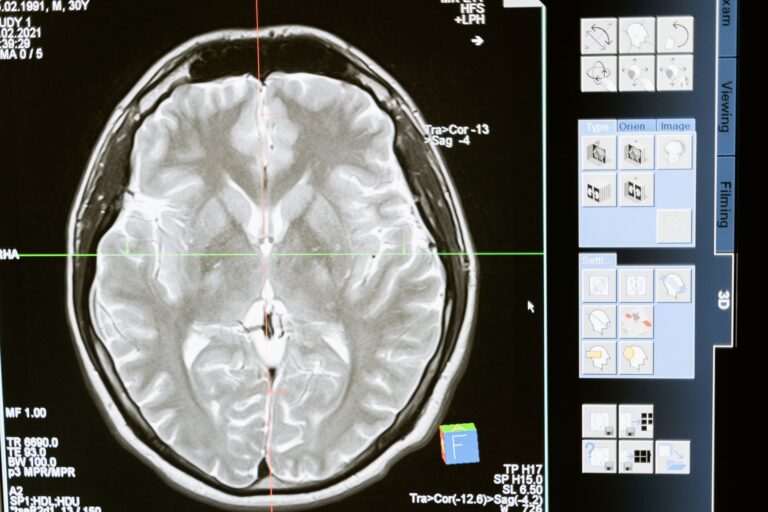
Science festivals transform abstract concepts like amyloid plaques, tau tangles, and neuroinflammation into tangible demonstrations visitors can understand. The National Institutes of Health and the Alzheimer’s Association frequently partner with universities and research centers to staff these exhibits, where volunteers can examine 3D models of the brain, test their own cognitive abilities through interactive games, and speak directly with postdoctoral researchers about what their laboratory work means for future treatments. These events particularly benefit family members who often harbor misconceptions about whether dementia is simply a “normal part of aging” or whether lifestyle changes might prevent cognitive decline—questions that researchers address head-on during these public engagements.
Table of Contents
- How Do Science Festivals Make Alzheimer’s Research Accessible to General Audiences?
- What Limitations Should We Acknowledge About Science Festival Education on Alzheimer’s?
- What Real-World Examples Show the Impact of Science Festival Engagement on Dementia Awareness?
- How Should Families Use Information from Science Festivals to Inform Healthcare Decisions?
- What Are the Gaps Between Festival Knowledge and Actual Dementia Care Access?
- How Are Virtual and Hybrid Science Festivals Expanding Alzheimer’s Reach?
- Where Is Science Festival Engagement Heading as Alzheimer’s Research Evolves?
- Conclusion
- Frequently Asked Questions
How Do Science Festivals Make Alzheimer’s Research Accessible to General Audiences?
Science festivals make Alzheimer’s research accessible through hands-on demonstrations, visual aids, and one-on-one conversations that replace technical jargon with relatable language. Rather than asking visitors to read a research paper or listen to a 45-minute seminar, festivals create interactive stations where visitors can manipulate 3D brain models to see where damage occurs in Alzheimer’s disease, watch videos showing how protein aggregation progresses, or use virtual reality headsets to experience what cognitive decline might feel like. The Smithsonian National Museum of Natural History’s involvement in several of these events, for example, includes exhibits that show the evolutionary context of human cognition and how modern diseases like Alzheimer’s represent the cost of increased longevity.
The demographic reach is remarkable: families bring children to learn about neuroscience early, working adults stop by exhibits to understand risk factors relevant to their own health, and older adults and their caregivers seek practical information about prevention strategies and recognizing symptoms. This multi-generational engagement means that knowledge about dementia research spreads far beyond the event itself—a teenager who learns about tau proteins at a science festival might help their grandparent recognize early cognitive changes, or a parent might support funding decisions for dementia research after understanding the unmet medical need. Festival organizers report that visitors often return to exhibits multiple times, suggesting that these events provoke genuine curiosity rather than passive consumption.

What Limitations Should We Acknowledge About Science Festival Education on Alzheimer’s?
While science festivals provide valuable public engagement, they necessarily compress complex research into digestible segments, which can create incomplete or oversimplified understandings of disease mechanisms and treatment timelines. A visitor might leave a science festival convinced that a particular drug shown in an exhibit is close to market when, in reality, that compound is still in early preclinical testing and may never reach patients. This oversimplification, while unavoidable given time constraints, can fuel unrealistic expectations among people living with cognitive decline and their families who might pursue unproven interventions or feel false hope about imminent breakthroughs.
Additionally, science festivals tend to reach predominantly white, college-educated, urban and suburban populations—people who already have relative privilege, healthcare access, and comfort in scientific settings. Rural communities, immigrant populations, and individuals with lower educational attainment are significantly underrepresented at these events, meaning that Alzheimer’s awareness and research literacy gaps persist most severely where they already exist. The cost of traveling to major festivals, language barriers, and cultural distrust of medical research (rooted in real historical injustices like the Tuskegee experiments) create barriers that single festivals cannot overcome. Furthermore, science festivals offer no individualized risk assessment or referral pathways, so a visitor who leaves understanding their genetic risk for Alzheimer’s may have no clear next step for follow-up care or preventive interventions with their own physician.
What Real-World Examples Show the Impact of Science Festival Engagement on Dementia Awareness?
The Alzheimer’s Association’s annual “Walk to End Alzheimer’s” events have increasingly integrated science festival-style educational components, combining fundraising with research accessibility in cities like San Francisco, Boston, and Atlanta. In San Francisco’s 2024 version, researchers from UCSF’s Memory and Aging Center set up exhibits along the walk route where participants could learn about biomarker testing, cognitive screening, and lifestyle interventions supported by recent research. Many walkers reported that they had assumed Alzheimer’s was purely genetic and unpreventable until they spoke with researchers who described modifiable risk factors like sleep quality, cardiovascular health, and cognitive engagement—knowledge that directly influenced some participants’ personal health decisions post-event.
The National Alzheimer’s Project Act (NAPA) has also resulted in increased federal funding for public engagement initiatives, including science festivals and traveling exhibits. A notable example is the Brain Awareness Week series, which occurs simultaneously across hundreds of cities worldwide and features Alzheimer’s components in many locations. Evaluations of these events show that attendees demonstrate measurably improved knowledge about Alzheimer’s risk factors and earlier recognition of warning signs, particularly regarding the difference between normal age-related memory changes (like occasionally forgetting where you put your keys) and symptoms that warrant medical evaluation (like repeatedly forgetting entire conversations or becoming lost in familiar places). This distinction is crucial because early detection of mild cognitive impairment creates opportunities for interventions that may slow cognitive decline.

How Should Families Use Information from Science Festivals to Inform Healthcare Decisions?
Families who encounter Alzheimer’s research at science festivals should treat the experience as a starting point rather than a comprehensive medical consultation. If a visitor learns about a new diagnostic approach, genetic risk factor, or preventive intervention at a festival, the appropriate next step is to discuss it with a primary care physician or, better yet, a neurologist or geriatrician with expertise in cognitive aging. Bring specific questions generated by the festival visit—”I learned about amyloid PET imaging; would that be appropriate for my mother?” or “Should I be tested for APOE4 given my family history?”—rather than expecting the primary care provider to know what you learned or to immediately implement recommendations.
The tradeoff here is worth acknowledging: science festivals empower people with knowledge and motivation to engage more actively with their healthcare, but they can also create unrealistic expectations about what physicians can offer or what treatments are imminent. A cardiologist or internist might not have detailed knowledge of the latest Alzheimer’s biomarker research, which means bringing festival-learned information to appointments can either deepen conversations or create awkward moments where the doctor must clarify that certain findings are preliminary or not yet actionable in clinical settings. The most productive approach is to use festival insights as conversation starters that prompt deeper, individualized assessment rather than as directives for specific clinical action.
What Are the Gaps Between Festival Knowledge and Actual Dementia Care Access?
One significant limitation that science festivals rarely address is the profound shortage of specialists equipped to diagnose and manage cognitive decline, particularly in rural areas and low-income communities. A visitor from rural Montana who becomes motivated by a science festival to pursue cognitive screening might discover that the nearest neurologist is three hours away and has a two-year waiting list. Science festivals excel at generating awareness and understanding but operate in isolation from the healthcare infrastructure challenges that determine whether that awareness translates into actual medical care.
Without corresponding investment in care access—telemedicine options, training of primary care physicians in cognitive assessment, or expansion of geriatric services—festival attendance can create frustration when people discover that knowledge doesn’t automatically convert to opportunity. Furthermore, science festivals often emphasize cutting-edge research and precision medicine approaches that require substantial resources, potentially creating the false impression that dementia care is primarily about sophisticated biomarker testing and experimental drugs. In reality, the most evidence-supported interventions for preventing or slowing cognitive decline remain relatively basic: regular physical exercise, quality sleep, cognitive engagement, management of cardiovascular risk factors, and social connection. While these are occasionally mentioned at festival exhibits, they lack the novelty and excitement of new research, meaning that visitors may leave with more enthusiasm for a future treatment than for modifying their own behaviors today.

How Are Virtual and Hybrid Science Festivals Expanding Alzheimer’s Reach?
The COVID-19 pandemic accelerated the development of virtual science festivals and hybrid models that combine in-person exhibits with online engagement, significantly expanding geographic reach. The Science Museum of Minnesota and similar institutions now host online Alzheimer’s exhibits that people can access from home, complete with video explanations of research concepts, downloadable resources about risk factors and warning signs, and live chat sessions with researchers. These formats particularly benefit homebound older adults, rural populations, and people with mobility limitations who couldn’t otherwise attend physical events.
The tradeoff with virtual formats is the loss of hands-on interaction and the serendipitous discovery that occurs when someone stumbles upon an exhibit at a festival and becomes unexpectedly engaged. A child who might never seek out neuroscience online might become fascinated by manipulating a 3D brain model in person. Virtual engagement tends to reach people already motivated to learn about dementia, while physical festivals can surprise participants with knowledge they didn’t know they needed.
Where Is Science Festival Engagement Heading as Alzheimer’s Research Evolves?
As biomarker-based diagnosis becomes more central to Alzheimer’s management and clinical trials expand, science festivals will increasingly need to address questions about precision medicine, genetic risk, and who should be tested. Future festivals may incorporate discussions of controversial topics like direct-to-consumer genetic testing for dementia risk, the ethical implications of knowing you carry risk genes before cognitive symptoms appear, and how to interpret preliminary research findings responsibly.
Organizers are also beginning to prioritize intentional engagement with underrepresented communities, recognizing that science festival reach to privileged populations alone perpetuates disparities in dementia awareness and research participation. The trajectory suggests that science festivals will become less isolated events and more embedded within comprehensive public engagement strategies that include sustained community partnerships, culturally adapted messaging, and clear pathways from awareness to clinical care.
Conclusion
Science festival events provide valuable public education about Alzheimer’s research, making complex neuroscience accessible to diverse audiences and helping people recognize cognitive changes that warrant medical evaluation. They serve as important venues for researchers to communicate directly with the public, for families to deepen their understanding of dementia, and for early identification of cognitive decline that might otherwise go unrecognized until significant disability has occurred.
However, festival attendance should be understood as a beginning point for dementia literacy rather than a comprehensive source of personal medical guidance. Visitors who learn about new research, diagnostic approaches, or preventive strategies should follow up with qualified healthcare providers to determine what knowledge is relevant and actionable for their individual circumstances. The most powerful impact of science festivals occurs when they motivate people to engage more actively with their own cognitive health and their family’s brain health—seeking evaluation when appropriate, pursuing evidence-supported lifestyle modifications, and staying informed about emerging research that might eventually improve outcomes for those at risk.
Frequently Asked Questions
What should I do if I learn about a new Alzheimer’s treatment at a science festival?
Schedule an appointment with your primary care physician or a neurologist to discuss whether the treatment is appropriate for your situation, what stage of development it’s in, and whether any clinical trials are available near you. Don’t assume that research being presented is close to becoming a treatment available to the public.
Are science festivals a good place to get genetic testing information?
Science festivals can help you understand what genetic testing is and why it might matter, but they are not appropriate places for actual testing or clinical interpretation of results. If you’re interested in genetic risk assessment for Alzheimer’s, consult with a genetic counselor or neurologist who can provide individualized assessment and discuss the implications of results.
How can I find a science festival that covers Alzheimer’s and dementia topics?
Check with local universities, science museums, the Alzheimer’s Association website, and the National Institutes of Health for announcements about upcoming festivals. Many universities host annual events, and the USA Science & Engineering Festival occurs biennially in Washington, D.C.
Will learning about dementia research at a science festival cause me unnecessary worry about my own health?
It’s possible that increased awareness might prompt health anxiety in some people, but studies suggest that overall, science festival attendees report feeling more informed and empowered rather than anxious. If you experience worry, discuss specific concerns with your physician rather than relying on general research knowledge.
Are science festivals equally accessible to all communities?
No—science festivals tend to reach predominantly white, college-educated, urban populations with the time and resources to attend. Rural communities, low-income populations, and non-English-speaking groups are significantly underrepresented, which contributes to existing disparities in dementia awareness and research literacy.
What’s the difference between normal memory changes and early Alzheimer’s disease?
Normal aging includes occasional memory lapses (like forgetting names or where you put keys) that don’t interfere with daily function. Symptoms of cognitive decline include repeated difficulty remembering recent conversations, getting lost in familiar places, difficulty managing finances or medications, and changes in mood or behavior that concern family members. If you notice these patterns, see a physician for cognitive screening.
You Might Also Like
- Commemorative Events Highlight Progress in Alzheimer’s Research
- Stakeholder Engagement Forums Shape Alzheimer’s Research Priorities
- Sleep Quality Research Links Rest Patterns to Alzheimer’s Risk
For more, see Alzheimer’s Association.