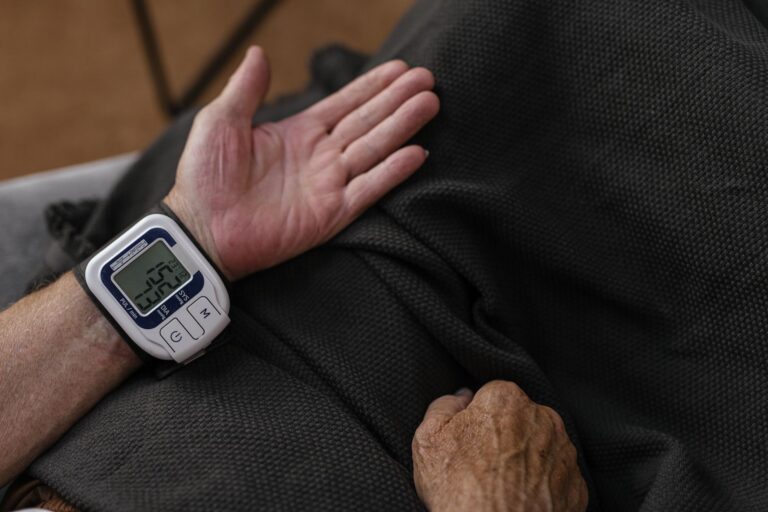
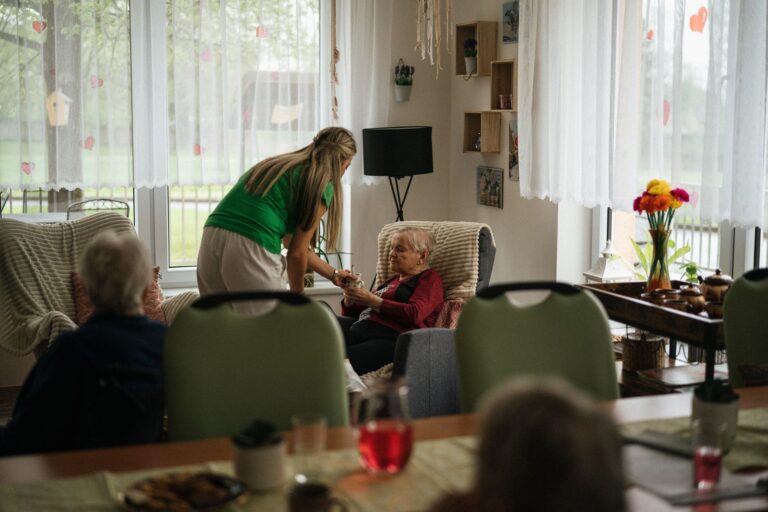
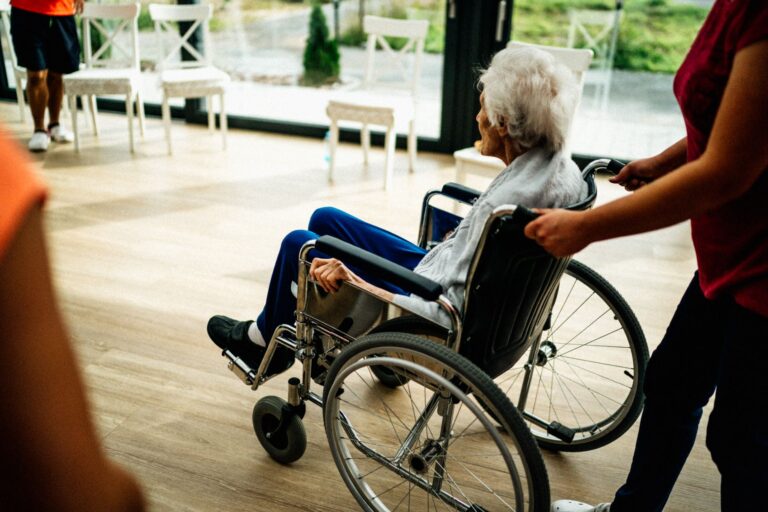
The 2026 LiBBY trial found a specific THC/CBD oil eased agitation in advanced dementia without extra sedation, hallucinations, or anxiety. For spouses and partners, the meaning is cautious: reassurance on feared effects, continued concern about serious illness in frail patients, and nothing to buy or try at home.
LiBBY stands for Life's End Benefits of cannaBidiol and tetrahYdrocannabinol. It was a multicenter, randomized, double-blind, placebo-controlled Phase 2 study in 120 hospice-eligible patients with advanced dementia and major agitation. Patients took 2 mg THC with 100 mg CBD oil twice daily for 12 weeks.
Medical information disclaimer: This article is for general educational purposes only and does not provide medical advice, diagnosis, or treatment. Always consult a physician or other qualified health professional about symptoms, medications, tests, or treatment decisions.
Table of Contents
- What did the trial test and who was in it?
- How much did agitation improve?
- Did the feared cannabis side effects appear?
- Why were serious events higher on treatment?
- What should spouses and partners do now?
What did the trial test and who was in it?
LiBBY enrolled people near the end of life, averaging about 80 years old. Agitation here means restlessness, shouting, pacing, or resisting care. Such distress affects about half of patients near end of life and weighs heavily on families.
Treatment was a proprietary MediPharm Labs purified oral formulation. It is not publicly available. Spouses cannot copy the dose with dispensary or over-the-counter cannabis products.
How much did agitation improve?
Benefit appeared fast and lasted through the study. At week 2, THC/CBD recipients had a 6.27-point larger drop in Cohen-Mansfield Agitation Inventory scores than placebo.
That inventory is a standard checklist of agitated behaviors. As Neuroscience News reported in its trial results, benefit persisted to week 12 with an 8.23-point larger reduction and clinician-rated global improvement in 87.2% on treatment versus 23.6% on placebo trial results. The size of that gap matters to partners who track sleep, calm, and ease of care day to day.
Did the feared cannabis side effects appear?
Spouses often worry about sleepiness, seeing things, or more anxiety. Researchers reported no excess sedation, hallucinations, or increased anxiety with the study oil. As Healio Neurology noted in its safety report, that absence answers a key home-monitoring question safety report.
Overall adverse events were close between groups over 12 weeks. Rates were 46.7% for THC/CBD versus 42.4% for placebo in these frail patients. Similar totals do not mean low risk, only that illness was common on both sides.
Why were serious events higher on treatment?
Serious adverse events were more frequent with treatment, 23.3% versus 11.9% with placebo. They included infections and deaths. Investigators adjudicated none as related to study drug.
That judgment matters, but it does not erase the gap for families. End-of-life dementia already carries high risk of infection, hospital transfer, and death. A partner should view any new fever, cough, fall, poor intake, or rapid change as urgent, whatever the cause.
What should spouses and partners do now?
Do not try to reproduce LiBBY at home. Dose, purity, oil base, and monitoring differ outside a trial.
Store products remain untested for this use and group. As the Alzheimer's Association stated in its conference release, this was a small 120-person, 12-week topline report in hospice-eligible late-stage dementia only, not a peer-reviewed approval conference release. Practical next steps help more than product shopping:.
- Keep a short agitation log with time, trigger, behavior, and what helped.
- Share the log with the hospice or palliative team and ask about funded comfort-care options.
- Ask how they track benefit and harm if agitation drugs are proposed.
- Do not start, stop, or change sedatives or cannabis products alone.