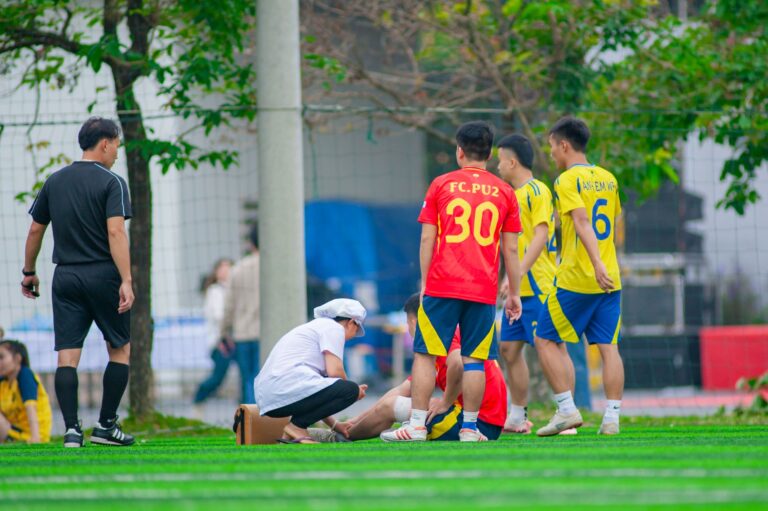
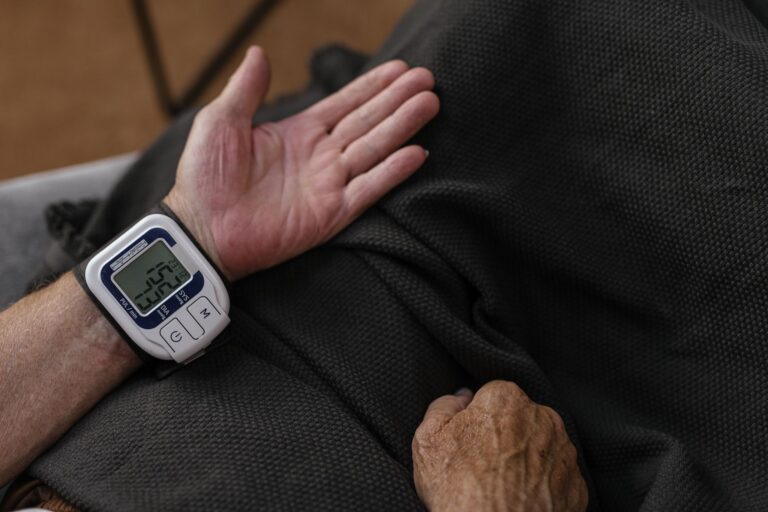
The 2026 LiBBY trial cut agitation in late-stage dementia but left safety questions unanswered for spouses and partners as caregivers. LiBBY, a 12-week Phase 2 study of THC and CBD oil in hospice-eligible patients, did not test caregiver use, early-stage disease, or long-term safety. Spouses often manage dosing, watch for side effects, and live with restlessness and aggression daily. They need to know what helped, what harmed, and what researchers must still prove before any wider use.
Medical information disclaimer: This article is for general educational purposes only and does not provide medical advice, diagnosis, or treatment. Always consult a physician or other qualified health professional about symptoms, medications, tests, or treatment decisions.
Table of Contents
- What eased agitation, and what raised concern?
- Why don't the results apply to partners at home?
- What should spouses do about agitation now?
- What must researchers still learn for partners?
What eased agitation, and what raised concern?
The trial randomized 120 hospice-eligible people with Alzheimer's or other dementia and significant agitation to twice-daily oral T2:C100 or placebo for 12 weeks across 10 U.S. sites with home visits. T2:C100 means 2 mg THC plus 100 mg CBD in oil, given as a purified, rapidly absorbed formula under supervision. NeurologyLive reported a 6.27-point greater reduction on the Cohen-Mansfield Agitation Inventory at week 2 than placebo, with separation sustained through week 12 NeurologyLive efficacy report. Clinician ratings also favored treatment, with improvement in 83.9% versus 30.5% at week 2 and 87.2% versus 23.6% at week 12.
The Cohen-Mansfield scale measures observable signs such as pacing, restlessness, shouting, and aggression. The same NeurologyLive report noted similar overall adverse events, 46.7% versus 42.4%, but more serious events with THC/CBD, 23.3% versus 11.9% NeurologyLive safety details. Serious infections were 11.7% versus 1.7%, and deaths were 13.1% versus 5.1% in this frail end-of-life group. Those numbers do not show that the oil caused each infection or death. They do mean spouses cannot view less agitation as proof of overall safety.
Why don't the results apply to partners at home?
The findings are topline Phase 2 results in only 120 advanced, hospice-eligible patients over 12 weeks, presented at AAIC 2026. Georgetown's summary stresses they do not establish safety or efficacy for spouses or partners themselves, early-stage dementia, or long-term use Georgetown summary. The tested product was also narrow.
Investigators used only purified T2:C100 under clinical supervision, not the varied doses, ratios, and contaminants found in dispensary or over-the-counter cannabis. That gap matters for partners who share a home and sometimes share medicines. A supervised hospice-eligible trial cannot answer fall risk, driving risk, sleep effects, mood effects, or drug interactions for a generally healthier spouse.
What should spouses do about agitation now?
Do not try home cannabis to repeat the trial. Home products differ in THC dose, CBD dose, absorption, and testing, and the trial barred other cannabinoids during the blinded phase.
Use the care team to review agitation triggers, daily routine, pain, sleep, medicines, and infection risk. The trial protocol required a study partner with at least 5 hours of weekly contact plus an outside hospice or palliative clinician to oversee dosing and reports, according to the Veeva trial record Veeva trial record.
- Ask what may be driving restlessness or aggression this week
- Ask which sedating medicines, alcohol, or sleep aids raise fall risk
- Ask how infections will be watched during agitation treatment
- Ask who to call day or night for fever, cough, confusion change, or poor intake
- Bring a current list of prescriptions, supplements, and cannabis or CBD products
What must researchers still learn for partners?
Researchers still need larger and longer trials that separate symptom relief from infection, hospitalization, and death in advanced dementia. They also need direct data on caregiver strain, sleep loss, and distress when agitation eases but medical fragility remains. For spouses and partners specifically, studies need to measure caregiver health, not only patient scores.
Important questions include dosing burden, home monitoring, work and respite needs, and safety when the caregiver is older or has cognitive concerns. Product and interaction work is also missing. Future studies should compare exact THC:CBD doses, treatment length, and effects alongside common medicines for blood pressure, mood, pain, and sleep. Bring a list of current sedatives, sleep aids, and recent infections to the next agitation-care visit.
You Might Also Like
- LiBBY Trial Findings for Late-Stage Dementia Agitation in 2026: What Researchers Still Need to Learn for Spouses and Partners
- AAIC 2026 p-tau217 Alzheimer’s Risk Prediction Research: What Researchers Still Need to Learn for Spouses and Partners
- p-tau217 Findings a Decade Before Alzheimer’s Symptoms in 2026: What Researchers Still Need to Learn for Spouses and Partners