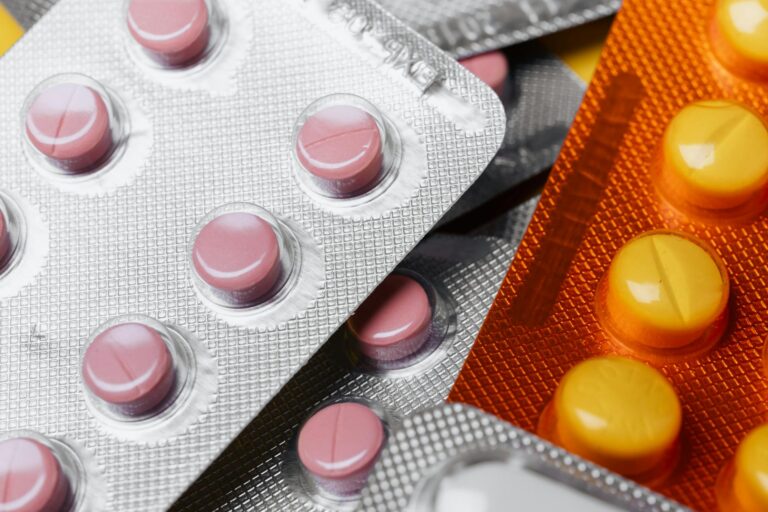
Rybelsus is the first and only oral semaglutide tablet approved for type 2 diabetes management, offering the same GLP-1 receptor agonist mechanism found in injectable drugs like Ozempic and Wegovy but delivered as a daily pill instead of a weekly shot. For older adults managing both diabetes and cognitive health, this distinction matters more than convenience alone — poorly controlled blood sugar accelerates brain aging, and any medication that improves adherence can indirectly protect against dementia risk factors tied to metabolic dysfunction.
The tablet works by using an absorption enhancer called SNAC (sodium N-[8-(2-hydroxybenzoyl) amino] caprylate) that allows semaglutide to pass through the stomach lining, a feat that took Novo Nordisk years to engineer since peptide drugs normally get destroyed by digestive enzymes. A 74-year-old patient who dreads needles and has been skipping Ozempic doses, for instance, might achieve far more consistent blood sugar control by switching to a daily Rybelsus tablet taken on an empty stomach with a small sip of water. This article examines how oral semaglutide compares to its injectable counterparts, what the research says about GLP-1 drugs and brain health, the specific dosing demands that trip people up, and why this pill may reshape treatment conversations for aging adults juggling multiple conditions.
Table of Contents
- How Does Rybelsus Work as an Oral GLP-1 Pill Compared to Injectable Semaglutide?
- GLP-1 Receptor Agonists and Brain Health — What Emerging Research Suggests
- The Strict Dosing Rules That Make or Break Rybelsus Effectiveness
- Rybelsus vs. Ozempic — Weighing the Tradeoffs for Older Adults
- Side Effects and Risks That Deserve Extra Caution in Aging Populations
- What Higher-Dose Oral Semaglutide Trials Mean for the Future
- Positioning Rybelsus Within a Broader Brain-Protective Strategy
- Conclusion
- Frequently Asked Questions
How Does Rybelsus Work as an Oral GLP-1 Pill Compared to Injectable Semaglutide?
GLP-1 receptor agonists mimic a gut hormone called glucagon-like peptide-1, which stimulates insulin release when blood sugar rises, slows gastric emptying, and suppresses appetite through brain signaling. Injectable semaglutide — branded as Ozempic for diabetes and Wegovy for weight management — delivers the drug directly into subcutaneous tissue, bypassing the digestive system entirely. Rybelsus must survive the acid bath of the stomach, which is why each tablet pairs 3 mg, 7 mg, or 14 mg of semaglutide with 300 mg of the SNAC enhancer that temporarily raises local stomach pH and opens a pathway for absorption. The bioavailability difference is significant.
Only about 0.4 to 1 percent of the oral semaglutide dose actually reaches the bloodstream, compared to nearly 89 percent with subcutaneous injection. this means the 14 mg oral dose — the highest available — produces blood concentrations roughly comparable to the 0.5 mg weekly injection, not the 1 mg or 2.4 mg doses used for more aggressive glucose or weight control. In clinical trials (the PIONEER program, which included over 9,000 participants), oral semaglutide at 14 mg reduced HbA1c by approximately 1.0 to 1.4 percentage points and led to modest weight loss of 5 to 10 pounds. These results are meaningful, but patients expecting Wegovy-level weight loss from the pill will be disappointed. The oral form is approved only for type 2 diabetes, not for weight management, though higher-dose oral formulations are currently in late-stage trials.
GLP-1 Receptor Agonists and Brain Health — What Emerging Research Suggests
Beyond blood sugar control, GLP-1 receptors are densely expressed in the hippocampus, cortex, and other brain regions critical to memory and cognition. Preclinical studies have shown that semaglutide and liraglutide reduce neuroinflammation, decrease amyloid plaque burden, and improve synaptic function in animal models of Alzheimer’s disease. A phase 2 clinical trial (the ELAD study, published in 2024) found that liraglutide slowed the decline of cerebral glucose metabolism in Alzheimer’s patients by roughly 50 percent compared to placebo over 12 months — a proxy measure suggesting the brain was functioning more efficiently. Semaglutide specifically is now being studied in the EVOKE and EVOKE Plus trials, large phase 3 studies enrolling over 3,700 participants with early Alzheimer’s disease to determine whether the injectable form can slow cognitive decline.
Results are expected by 2026. However, it would be premature to take Rybelsus expecting neuroprotective benefits, since no oral semaglutide trial has been designed or powered to measure cognitive outcomes. The brain health angle is promising but unproven in humans with this particular formulation. If a patient or caregiver asks whether Rybelsus can prevent dementia, the honest answer is that we do not yet know — but controlling diabetes with any effective tool, including Rybelsus, reduces one of the strongest modifiable risk factors for cognitive decline.
The Strict Dosing Rules That Make or Break Rybelsus Effectiveness
Rybelsus has the most demanding dosing protocol of any diabetes pill on the market. The tablet must be taken first thing in the morning on a completely empty stomach with no more than 4 ounces (120 mL) of plain water. After swallowing, the patient must wait at least 30 minutes before eating, drinking anything else, or taking other oral medications. Splitting, crushing, or chewing the tablet destroys the SNAC absorption mechanism.
These are not soft recommendations — clinical data shows that food in the stomach reduces semaglutide absorption by approximately 40 percent, and taking the pill with a full glass of water can dilute the SNAC barrier enough to cut bioavailability in half. For a 78-year-old who takes a morning handful of pills with breakfast, this creates a real logistical challenge. The Rybelsus must come first, alone, and then everything else gets pushed back by half an hour. In one real-world adherence study published in Diabetes, Obesity and Metabolism, roughly 30 percent of patients reported difficulty maintaining the fasting window consistently. Caregivers managing medications for someone with mild cognitive impairment face an even steeper challenge — the timing must be precise every single day, and forgetting to enforce the empty-stomach rule quietly erodes the drug’s effectiveness without any obvious signal that something has gone wrong.

Rybelsus vs. Ozempic — Weighing the Tradeoffs for Older Adults
The choice between oral and injectable semaglutide is not simply about fear of needles. Ozempic’s once-weekly injection offers more consistent drug levels, higher available doses (up to 2 mg), and forgiveness for imperfect timing — it can be taken any time of day, with or without food. Rybelsus requires daily discipline but eliminates injection site reactions, the need for sharps disposal, and the cold-chain storage that Ozempic demands. For someone living alone with early-stage cognitive changes, an autoinjector they use once a week may actually be easier to manage than a daily pill with strict fasting rules. Cost is another divergence.
Without insurance, Rybelsus runs approximately $900 to $1,000 per month, comparable to Ozempic’s list price. However, insurance formularies often favor one over the other, and manufacturer savings cards may apply differently. Medicare Part D covers both, but copay assistance programs from Novo Nordisk are generally unavailable to Medicare beneficiaries due to federal anti-kickback rules. A practical consideration for caregivers: if a loved one with moderate dementia is transitioning from managing their own medications to receiving caregiver-administered care, the weekly injection may ultimately reduce medication errors compared to daily oral dosing. The best choice depends on the individual’s cognitive status, manual dexterity, daily routine, and insurance coverage — not just their preference for pills over needles.
Side Effects and Risks That Deserve Extra Caution in Aging Populations
The most common side effects of Rybelsus mirror those of injectable GLP-1 drugs: nausea (reported in 15 to 20 percent of patients during dose escalation), diarrhea, decreased appetite, vomiting, and abdominal pain. For most people, these symptoms diminish within four to eight weeks as the body adjusts. But in adults over 70, the decreased appetite and nausea carry a specific danger that clinicians sometimes underweight — unintentional weight loss and muscle wasting. Sarcopenia, the age-related loss of muscle mass, accelerates falls and fractures, and a drug that suppresses appetite in someone who already eats insufficiently can tip the balance toward frailty rather than health.
There is also a boxed warning regarding thyroid C-cell tumors observed in rodent studies, though this has not been confirmed in humans. Rybelsus is contraindicated in patients with a personal or family history of medullary thyroid carcinoma or Multiple Endocrine Neoplasia syndrome type 2. More practically, the drug should not be used alongside insulin or sulfonylureas without careful dose adjustment, as the combination increases hypoglycemia risk. Severe hypoglycemia in an older adult with cognitive impairment is particularly dangerous because the patient may not recognize or communicate symptoms like confusion, shakiness, or sweating — symptoms that can also be mistaken for dementia-related behaviors by caregivers who are not monitoring blood sugar.

What Higher-Dose Oral Semaglutide Trials Mean for the Future
Novo Nordisk is testing oral semaglutide at 25 mg and 50 mg doses — far above the current 14 mg maximum — in the PIONEER PLUS and OASIS clinical trial programs. Early results from OASIS 1 showed that 50 mg oral semaglutide produced approximately 15 to 17 percent body weight loss over 68 weeks, rivaling the results of injectable Wegovy.
If approved, a higher-dose oral formulation could eliminate the primary clinical disadvantage of Rybelsus: its inability to match the glucose-lowering and weight-loss potency of the injectable versions. For the brain health community, the more interesting pipeline question is whether the ongoing EVOKE Alzheimer’s trials with injectable semaglutide will produce positive results that then justify testing the oral form in cognitive decline. A once-daily pill that slows both metabolic and neurodegenerative disease would fundamentally change the treatment landscape for aging adults, but that remains a speculative possibility rather than a current reality.
Positioning Rybelsus Within a Broader Brain-Protective Strategy
No single medication is a complete solution for reducing dementia risk, and Rybelsus should be understood as one tool within a larger metabolic management plan. The Lancet Commission on dementia prevention identifies diabetes as one of 14 modifiable risk factors, alongside hypertension, physical inactivity, social isolation, hearing loss, and others.
A patient who takes Rybelsus faithfully but remains sedentary, socially withdrawn, and has untreated hearing loss is addressing only a fraction of their modifiable risk. Looking ahead, the convergence of metabolic and neurological drug development suggests that GLP-1 agonists may eventually carry dual indications. Until then, the pragmatic takeaway for patients and caregivers is straightforward: if Rybelsus helps someone achieve better glycemic control than they were getting before — because they actually take it consistently, because it fits their routine, because they are no longer skipping injections — then it is serving brain health indirectly by keeping one of dementia’s major accelerants in check.
Conclusion
Rybelsus represents a genuine advance in making GLP-1 therapy accessible to people who cannot or will not use injections, but it comes with trade-offs that matter especially for older adults and those navigating cognitive decline. Its strict dosing requirements, lower potency compared to injectable semaglutide, and appetite-suppressing effects all require thoughtful management — ideally in partnership with a clinician who understands both the metabolic and cognitive dimensions of aging.
The most important decision is not whether Rybelsus is better or worse than Ozempic in the abstract, but whether it is the right fit for a specific person’s daily reality. For caregivers, that means honestly assessing whether the fasting protocol can be maintained reliably, whether the patient is eating enough to avoid dangerous muscle loss, and whether the convenience of a pill truly outweighs the simplicity of a once-weekly injection. For anyone watching the GLP-1 and brain health research space, the next two years of trial results — particularly from EVOKE — will clarify whether these drugs offer neuroprotection or merely metabolic benefits that happen to help the brain by association.
Frequently Asked Questions
Is Rybelsus approved for weight loss?
No. As of early 2026, Rybelsus is FDA-approved only for type 2 diabetes. Some physicians prescribe it off-label for weight management, but the current maximum dose of 14 mg produces significantly less weight loss than injectable Wegovy. Higher-dose oral formulations (25 mg and 50 mg) are in clinical trials for a weight indication.
Can Rybelsus prevent or treat dementia?
There is no approved GLP-1 medication for dementia prevention or treatment. Preclinical and early clinical research suggests potential neuroprotective effects, and large Alzheimer’s trials with injectable semaglutide are underway, but no cognitive indication exists for Rybelsus specifically. Controlling diabetes with Rybelsus may reduce dementia risk indirectly by managing a known risk factor.
What happens if I take Rybelsus with food or other medications?
Food and additional fluids significantly reduce absorption of the drug. Taking it with breakfast can cut bioavailability by 40 percent or more. Other oral medications taken at the same time can also interfere. The 30-minute fasting window after swallowing the tablet is essential for the drug to work as intended.
Is Rybelsus safe for people over 75?
Rybelsus was studied in older adults in the PIONEER trials and is not contraindicated by age alone. However, older patients face higher risks of nausea-related weight loss, sarcopenia, and hypoglycemia when combined with other diabetes drugs. Physicians typically start at the lowest dose (3 mg) and escalate slowly, with closer monitoring for nutritional status and fall risk.
How does the cost of Rybelsus compare to Ozempic?
Both carry list prices near $900 to $1,000 per month without insurance. Coverage varies widely by plan. Medicare Part D covers both, but Novo Nordisk copay savings cards generally do not apply to Medicare patients. Some patients find that their insurer strongly prefers one formulation, making cost the deciding factor regardless of clinical preference.