Reviewed by the Help Dementia Editorial Team — our editors review every article for accuracy against guidance from the National Institute on Aging, the Alzheimer’s Association, and peer-reviewed sources.
Understanding ricola sits at the center of this dementia and brain health question.
Ricola lozenges can create the sensation of improved airflow when you’re dealing with nighttime stuffiness, but it’s important to understand what they actually do—and don’t do. Ricola works by activating cold receptors in your nasal passages with menthol, which makes it feel like you’re breathing more easily. However, Ricola does not chemically decongest your nasal passages or reduce the actual swelling and mucus buildup that causes stuffiness. If you take a Ricola MAX Nasal Care drop before bed, you’ll likely experience a pleasant cooling sensation and a heightened sense of airflow, but the physical congestion itself remains unchanged.
For people managing nighttime stuffiness—whether due to aging, seasonal changes, or chronic conditions—this distinction matters. Ricola can provide temporary relief from the uncomfortable sensation of being stuffed up, which might help you fall asleep more comfortably. But if your nighttime stuffiness stems from allergies, sinus inflammation, or a cold, Ricola should be seen as a comfort measure, not a treatment. Many people find this helpful as part of their evening routine, even if it works more like a soothing ritual than a medical fix.
Table of Contents
- How Menthol Creates the Illusion of Better Breathing
- What Ricola Actually Contains and What It Doesn’t
- Proper Use for Nighttime Relief
- Comparing Ricola to Other Nighttime Stuffiness Solutions
- Safety Concerns and Who Should Avoid Ricola
- The Role of Humidity and Environment in Nighttime Stuffiness
- When to See a Doctor About Nighttime Stuffiness
- Conclusion
How Menthol Creates the Illusion of Better Breathing
Menthol is the active ingredient in Ricola, and it works through a clever trick your body plays on itself. When you dissolve a Ricola drop in your mouth, the menthol stimulates cold receptors (called TRPM8 receptors) in the lining of your nasal passages and throat. These receptors send signals to your brain that create the sensation of increased airflow—that cool, refreshing feeling you experience. It’s why menthol-based products feel so instantly soothing when you’re congested.
The critical thing to know is that this sensation is perceptual, not physical. Ricola MAX Nasal Care drops contain 15.3 mg of menthol per drop—three times more than the Original Herb variety at 4.8 mg per drop—so the MAX version produces a stronger sensation of relief. But neither variety actually shrinks inflamed nasal tissue, reduces mucus production, or clears your sinuses the way a decongestant like pseudoephedrine would. If you’re lying in bed feeling like you can’t breathe through your nose and you take a Ricola drop, you’ll feel better within minutes—but your nasal passages are still in the same physical condition they were before.

What Ricola Actually Contains and What It Doesn’t
Every Ricola drop contains a blend of 10 Swiss Alpine herbs: elder, horehound, hyssop, lemon balm, linden flowers, mallow, peppermint, sage, thyme, and wild thyme. These herbs have been used in traditional medicine for centuries, and many people find their taste and aroma genuinely pleasant. The herbal blend contributes to the soothing experience of using Ricola, even if the herbs themselves don’t treat the underlying congestion. Ricola also makes no use of artificial ingredients, which appeals to people who prefer more natural products.
Here’s an important limitation: Ricola is labeled as a cough drop and throat lozenge, not a nasal decongestant medication. It contains no antihistamines, no steroids, and no prescription-strength active ingredients. Some varieties, like Ricola Menthol & eucalyptus, include eucalyptus oil (0.3% concentration) for additional menthol support, but again, this enhances the cooling sensation rather than clearing congestion. If your nighttime stuffiness is severe enough to seriously disrupt sleep, Ricola alone may not be sufficient. This is a particularly important consideration for older adults who might be managing multiple health conditions or taking other medications; Ricola is very unlikely to interact with other drugs, but it also isn’t strong enough for everyone’s needs.
Proper Use for Nighttime Relief
The recommended dosage for Ricola is to dissolve one drop slowly in your mouth and repeat every two hours as needed, or as directed by a doctor. For nighttime use, most people take a single drop an hour or two before bed, rather than using them throughout the night, since dissolving a drop takes a few minutes and you want it to work before you’re trying to sleep. The cooling sensation typically peaks within a few minutes and can last 30 minutes to an hour, depending on the individual and the variety used. One practical consideration: if you’re a caregiver helping someone with dementia manage nighttime stuffiness, you need to ensure they can safely dissolve a Ricola drop without choking or aspirating it.
Ricola drops are designed to be sucked slowly, not chewed and swallowed quickly. For people with swallowing difficulties, this could be problematic. In these cases, it might be worth discussing alternatives with their doctor. Some people also find that having a Ricola drop in their mouth creates enough saliva that it actually helps with the dry mouth sensation that sometimes accompanies nasal stuffiness—an unexpected benefit for those dealing with multiple sleep-related discomforts.
Comparing Ricola to Other Nighttime Stuffiness Solutions
Ricola sits in a specific niche in the congestion-relief landscape. It’s gentler and more natural than over-the-counter decongestants like pseudoephedrine (Sudafed) or phenylephrine, which actually reduce nasal swelling but come with potential side effects like increased heart rate or sleep disruption in some people. Ricola is also different from saline rinses or neti pots, which physically flush out mucus and are more effective for actual congestion, though they require more effort and aren’t appropriate right before bed.
Antihistamine drops are useful if allergies are driving your stuffiness, but Ricola doesn’t target allergic reactions. The tradeoff with Ricola is that you get something safe, pleasant-tasting, and immediately soothing—but not necessarily effective if your stuffiness is severe or caused by structural problems like a deviated septum. For mild to moderate nighttime stuffiness, many people find it’s exactly what they need: the mental and sensory comfort of addressing the problem, combined with the actual (if temporary) perceptual improvement in breathing. For more serious congestion, combining Ricola with other approaches—like using a humidifier, elevating your head, or seeing a doctor about underlying causes—makes more sense.
Safety Concerns and Who Should Avoid Ricola
Ricola is generally very safe for most adults. It contains no ingredients that interact with common medications, and the menthol concentration is mild enough that it won’t cause harm even if someone uses it more frequently than directed. However, there are some limitations worth noting. Ricola is not recommended for children under age 6, though it’s appropriate for older children and adults. If someone has a known sensitivity to menthol or any of the herbs in the blend, they should obviously avoid it.
One warning specific to nighttime use: some people find that menthol can have a slight stimulating effect, and if you’re sensitive to it, taking a Ricola drop right before bed might actually keep you awake rather than help you sleep. This is more common with the MAX variety due to its higher menthol content. It’s worth testing Ricola an hour or two before bed the first time rather than immediately before you plan to sleep. Additionally, if you’re using Ricola nightly for weeks or months, your brain may habituate to the menthol sensation—meaning the cooling effect becomes less noticeable over time. Rotating between varieties or taking breaks from Ricola can help prevent this.

The Role of Humidity and Environment in Nighttime Stuffiness
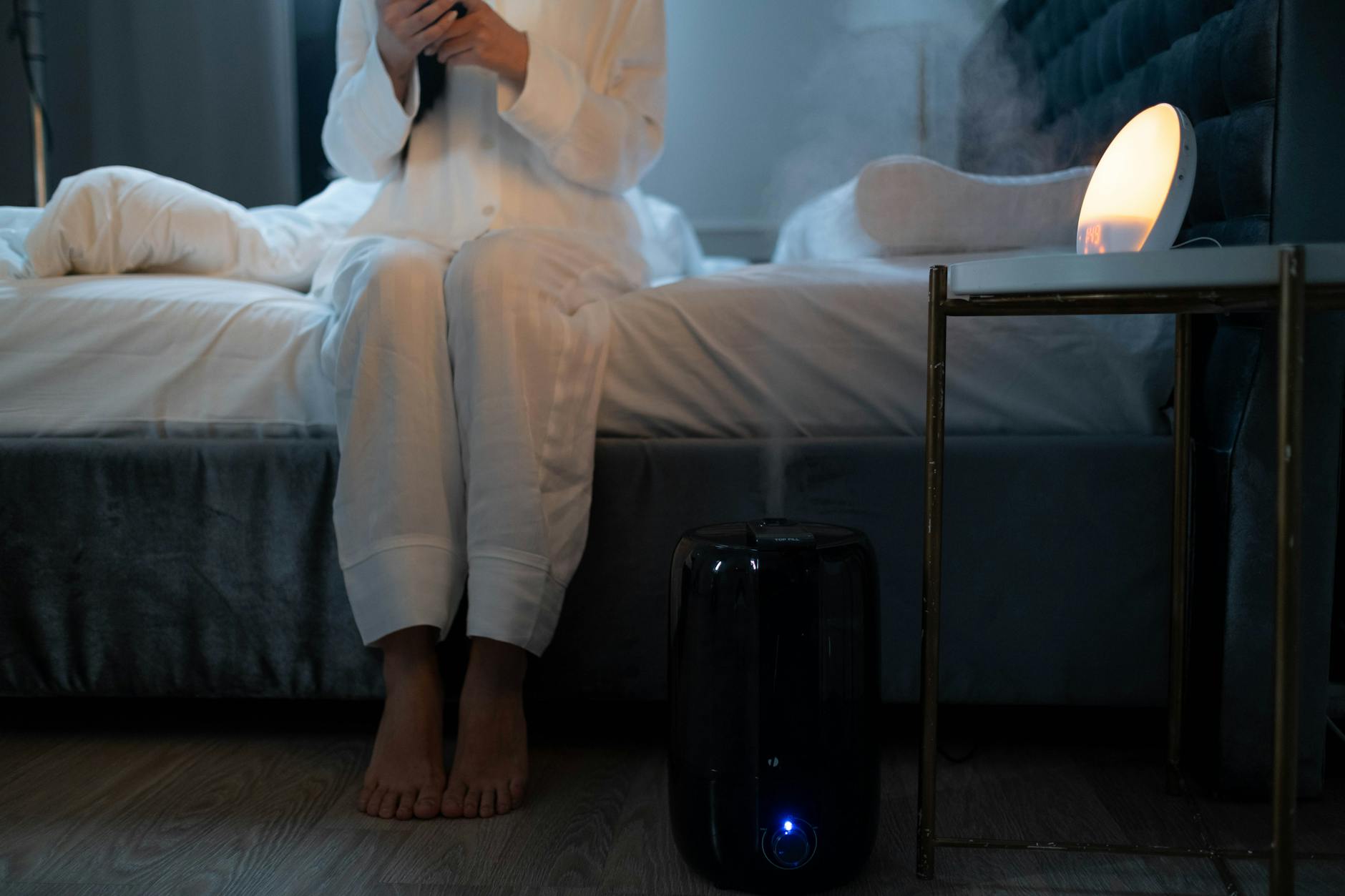
While Ricola provides temporary relief, environmental factors often play a bigger role in nighttime stuffiness than people realize. Dry air—common in winter, in heated bedrooms, or in air-conditioned environments—can inflame your nasal passages and make stuffiness worse. Using a humidifier in your bedroom addresses this root cause, something Ricola cannot do.
Many sleep specialists recommend combining a humidifier with comfort measures like Ricola for better overall results. Elevating your head with an extra pillow also helps drainage and can reduce the sensation of stuffiness when you’re lying down. A warm cup of tea with honey an hour before bed is another approach that some people find helps. The point is that Ricola works best as one tool among several, not as a standalone solution for nighttime breathing problems.
When to See a Doctor About Nighttime Stuffiness
If nighttime stuffiness is chronic or severe enough to regularly disrupt sleep, it deserves medical attention. Your doctor can determine whether you’re dealing with allergies, a sinus infection, sleep apnea, or another condition that might require more targeted treatment. For older adults and people with dementia, sleep quality directly affects cognitive function, mood, and overall health—so persistent nighttime breathing problems are worth investigating.
Ricola will always remain a reasonable comfort measure for mild, occasional stuffiness. But if you’re using Ricola most nights and still not sleeping well, that’s a sign to seek professional guidance. A doctor can recommend alternatives like prescription nasal sprays, allergy testing, or sleep studies if warranted. The goal isn’t just to feel better in the moment, but to address whatever is genuinely preventing good sleep.
Conclusion
Ricola offers real comfort for nighttime stuffiness through menthol’s ability to create a sensation of improved airflow. It’s safe, accessible, and many people find it genuinely helpful as part of their evening routine. But understanding its limitations matters: Ricola makes you feel like you’re breathing better, not because it actually reduces nasal congestion, but because menthol triggers cold receptors in your nasal passages.
For mild stuffiness, this perceptual improvement can be enough to help you fall asleep more easily. If nighttime stuffiness is significantly disrupting your sleep, start by combining Ricola with other evidence-based approaches: a bedroom humidifier, head elevation, and investigating the underlying cause with your doctor. Ricola is a useful part of the toolkit for comfortable sleep, but it works best when paired with a comprehensive approach to your nighttime respiratory comfort.
You Might Also Like
- Zicam Nasal and Hoarse Voice: A Plain-English Guide
- Tiger Balm and Morning Congestion: A Plain-English Guide
- Tamiflu and Dust Mite Reactions: A Plain-English Guide
For more, see NIH MedlinePlus — cognitive testing.