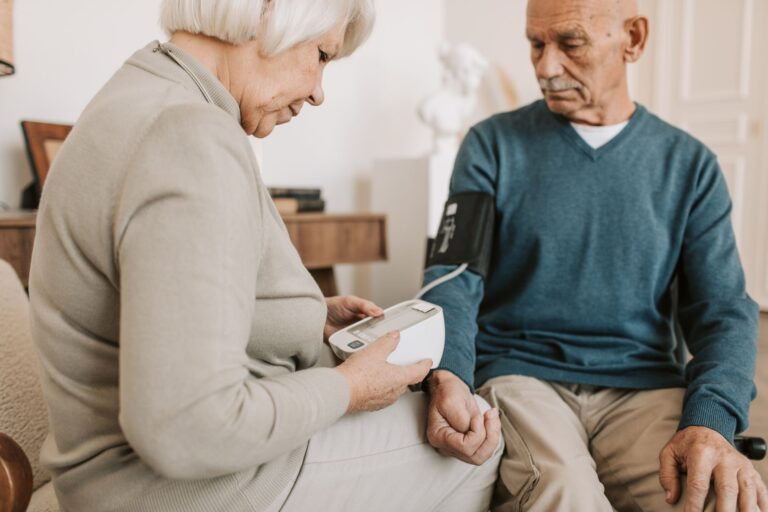
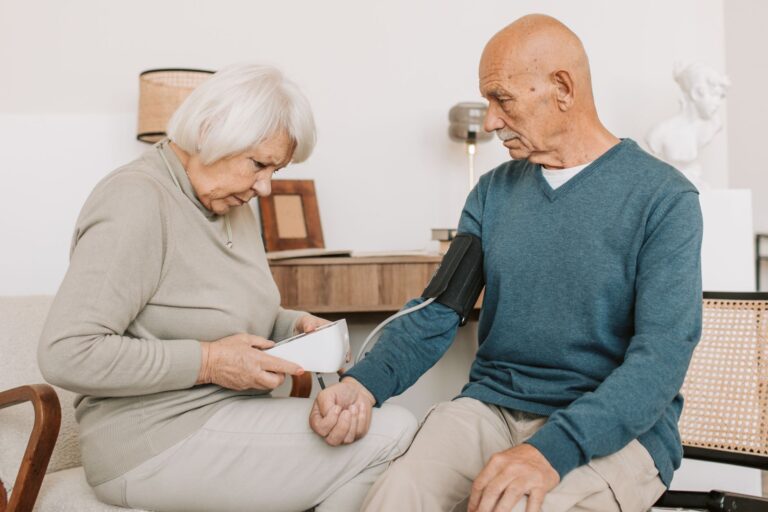
Revisiting a favorite vacation memory can give a dementia caregiver a meaningful moment of comfort and connection with the person they support. It is not proven to reduce caregiver burden, and returning to the actual destination is not an established treatment. Reminiscence means inviting memories or feelings from the past through conversation and familiar cues. A photograph, song, scent, keepsake, or place may help, but the aim is shared connection—not a memory test.
Medical information disclaimer: This article is for general educational purposes only and does not provide medical advice, diagnosis, or treatment. Always consult a physician or other qualified health professional about symptoms, medications, tests, or treatment decisions.
Table of Contents
- Why an old vacation may still feel familiar
- Informal reminiscence is not therapy
- How to revisit the memory without testing it
- What the evidence does—and does not—show
- Should you return to the actual place?
- When the caregiver needs a vacation
Why an old vacation may still feel familiar
Short-term memory can decline while some long-ago memories remain accessible. The Alzheimer's Association says photos, music, familiar objects, and familiar places may help people with dementia reach those memories and connect with caregivers through reminiscence activities. A vacation memory can also provide a comfortable subject when everyday conversation feels difficult.
The person may remember a beach, a family joke, or the feeling of a song without recalling the destination or date. For the caregiver, that response may offer a brief return to a familiar part of the relationship. The value can lie in enjoying the person's reaction, even when the recalled details are incomplete.
Informal reminiscence is not therapy
Looking through a vacation album together is informal reminiscence. Reminiscence therapy is a structured intervention, usually led by a professional, that uses guided discussion and may include music, art, storytelling, or familiar objects. That difference matters when considering possible benefits.
A relaxed conversation may be worthwhile, but caregivers should not assume it will produce the results reported in studies of structured therapy. A memory cue also does not need to produce a clear story to have value. Humming along, smiling at a photograph, or handling a familiar souvenir may be the entire interaction.
How to revisit the memory without testing it
Begin with one simple cue in a calm setting. Watch the person's response and let their interest determine whether to continue.
Do not measure success by the number of facts recalled. A pleasant feeling or shared moment can be enough, while no response simply means that cue may not be useful at that time.
- Show one photograph or keepsake instead of presenting a large collection.
- Make an observation, such as "The water looks beautiful," rather than asking, "Where was this?"
- Play music associated with the trip or offer a familiar scent.
- Allow time for words, gestures, facial expressions, or silence.
- Change the subject or put the cue away if the person appears uncomfortable.
What the evidence does—and does not—show
A 2026 meta-analysis included 26 studies and 2,766 people with cognitive impairment. It found that reminiscence therapy improved cognition, depressive symptoms, and quality of life, according to the report in the Journal of the American Medical Directors Association. The same analysis found no reduction in dementia-related behavioral symptoms or caregiver burden.
Caregivers should therefore view vacation reminiscence as a possible source of comfort or connection, not a proven way to reduce their workload or distress. The research also does not establish that physically returning to a favorite vacation destination benefits caregivers. Evidence about structured reminiscence should not be treated as proof for a specific trip.
Should you return to the actual place?
A real trip may still be meaningful, but it requires an individual decision. Alzheimer's Association travel safety guidance advises caregivers to weigh the risks and benefits against the person's needs, abilities, and preferences.
Before planning, consider: Familiarity alone does not make travel appropriate. When the full trip is impractical, a meal, photo album, playlist, or familiar object can provide a smaller and more manageable version of the experience.
- Does the person appear interested in going?
- Do their current abilities fit the demands of the trip?
- Would photos, music, food, or keepsakes recreate the meaningful parts at home?
- Would the trip support connection, or create more strain than enjoyment?
When the caregiver needs a vacation
A favorite memory may remind a caregiver that they need time away themselves. Respite care can make that possible without requiring the person with dementia to travel.
The Alzheimer's Association notes that some overnight long-term-care options provide a supervised, safe stay, although insurance and Medicare usually do not cover the cost of respite care. Confirm availability, supervision, and total cost before making vacation reservations.