Reviewed by the Help Dementia Editorial Team — our editors review every article for accuracy against guidance from the National Institute on Aging, the Alzheimer’s Association, and peer-reviewed sources.
Research shows sits at the center of this dementia and brain health question.
The claim that intermittent fasting adds five years of healthy brain function circulates widely in wellness circles, but the peer-reviewed research doesn’t support this specific timeline. What we do have is something more nuanced and, in some ways, more interesting: solid evidence that intermittent fasting can meaningfully improve cognitive function and brain structure in certain populations, particularly older adults and those with mild cognitive impairment. A 2024 clinical trial found that intermittent fasting improved executive function and memory by approximately 20 percent more than healthy diet controls in older adults—a measurable gain that could translate to meaningful real-world benefits for someone struggling with word recall or multitasking. But the leap from “20 percent improvement in memory” to “five additional years of healthy brain function” is not a leap the current science supports, and it’s important to understand the difference.
For those caring for someone with dementia or concerned about their own cognitive future, the distinction matters. Rather than promise years you can’t measure, the research offers something practical: evidence that how you eat can influence how your brain ages. The findings suggest intermittent fasting may slow cognitive decline and even reverse some markers of brain aging, but only under specific conditions and for specific people. Understanding what that actually means—and what it doesn’t—is essential for making real decisions about brain health.
Table of Contents
- What Research Actually Shows About Intermittent Fasting and Brain Health
- The Specific Evidence for Brain Structure and Cognitive Decline
- How Intermittent Fasting Affects Brain Aging
- Who Benefits Most and Who Should Be Cautious
- What We Don’t Know and the Real Limitations
- Safety and Implementation Considerations
- What This Means for Dementia Prevention and Care
- Conclusion
- Frequently Asked Questions
What Research Actually Shows About Intermittent Fasting and Brain Health
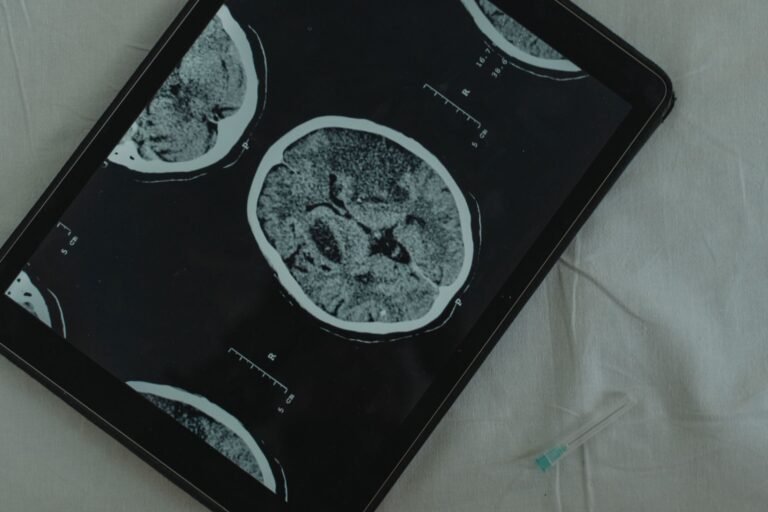
The closest evidence to the “five years” claim comes from studies showing that intermittent fasting can improve cognitive outcomes and brain structure in ways that might, theoretically, slow aging. A neuroimaging study over 12 weeks found that intermittent fasting increased hippocampal volume and enhanced functional connectivity in patients with mild cognitive impairment—the hippocampus being the brain region critical for forming new memories. Think of it like strengthening the actual physical structure where memories form. research from the University of Wisconsin Alzheimer’s Disease Research Center tracked older adults over three years and found those practicing intermittent fasting showed better cognitive functioning compared to non-fasting controls. These aren’t small changes in lab tests; they’re measurable improvements in how people’s brains actually work day to day.
However, there’s an important caveat: this cognitive benefit appears most reliable in people over 65 or those already experiencing mild cognitive impairment. Studies of healthy younger adults haven’t shown the same clear short-term cognitive boost. The mechanism seems to involve metabolic switching—when your body runs out of glucose from food, it shifts to burning fat, producing ketones that the brain can use as fuel. This metabolic state may trigger cellular cleanup processes and reduce inflammation in the brain. But naming the mechanism doesn’t extend it to “five years of benefit.” We simply don’t have 30-year studies following people who fast intermittently versus those who don’t, measuring brain function at every stage, controlling for diet quality, exercise, sleep, and genetics. That’s the study that would justify the five-year claim, and it doesn’t exist.

The Specific Evidence for Brain Structure and Cognitive Decline
The most compelling data involves brain imaging. Intermittent fasting appears to stimulate neuroplasticity—the brain’s ability to form new neural connections and reorganize itself. In a small sample of mild cognitive impairment patients, 12 weeks of intermittent fasting correlated with increased hippocampal volume, something generally associated with better memory function. That’s striking because hippocampal shrinkage is one hallmark of Alzheimer’s disease, and reversing it, even modestly, represents a meaningful direction. Brain-derived neurotrophic factor (BDNF), a protein essential for brain cell survival and growth, increases during intermittent fasting, which explains some of the mechanism behind improved cognition.
The limitation here is crucial: these are short-term studies in small populations, often with significant drop-out rates and no long-term follow-up. A 12-week improvement in brain imaging doesn’t tell us whether that improvement persists, spreads, or protects against dementia five, ten, or twenty years later. It’s encouraging, but it’s not the same as a five-year guarantee. Additionally, brain volume alone doesn’t determine cognitive function—a person can have a small hippocampus and sharp memory, or a large one and poor cognition. The structural changes are one piece of a much larger puzzle involving genetics, overall lifestyle, and factors we still don’t fully understand. For someone reading this while worried about a parent’s recent diagnosis of mild cognitive impairment, the honest takeaway is: intermittent fasting *might* help slow decline, but we don’t yet have evidence it will add years of preserved function.
How Intermittent Fasting Affects Brain Aging
The cellular machinery of brain aging involves accumulation of damaged proteins, chronic inflammation, and declining mitochondrial function. Intermittent fasting appears to address all three. When you fast, cells activate autophagy—essentially, cellular garbage disposal—which clears out misfolded proteins associated with neurodegenerative diseases. This is why some researchers focus on fasting for Alzheimer’s prevention; clearing amyloid and tau proteins (which build up in Alzheimer’s brains) is theoretically valuable. Studies in animals have shown that fasting can reduce amyloid plaques, but human evidence is far more limited. A few small human studies hint that intermittent fasting may slow cognitive decline in people with early Alzheimer’s disease, but “hint” is the operative word.
The metabolic switch to ketone production also reduces oxidative stress, another driver of brain aging. Your mitochondria—the energy factories in your cells—generate reactive oxygen species as a byproduct, and over decades, this oxidative damage accumulates. Ketone metabolism produces fewer reactive oxygen species, which could theoretically slow aging. But again, this is the theoretical framework. The clinical evidence is that older adults practicing intermittent fasting show better cognitive test scores and, in some cases, stabilized or improved brain imaging. Whether this translates to delayed dementia onset or preserved independence in your 80s remains unanswered. For someone in their 70s concerned about cognitive aging, the argument for trying intermittent fasting is stronger than for someone in their 30s, simply because the potential benefit targets the population where cognitive decline is actually happening.

Who Benefits Most and Who Should Be Cautious
The research points to older adults—particularly those over 65—as the group with the clearest benefit from intermittent fasting for cognitive function. If you fit that profile and have no medical contraindications, the 20 percent memory improvement shown in clinical trials might be meaningful. An older adult struggling to remember names at a family gathering or becoming slower at solving puzzles might notice a real difference. Conversely, healthy people in their 40s shouldn’t expect the same cognitive lift; the evidence simply doesn’t support it. If you’re worried about cognitive aging, the better-established preventions—sleep, exercise, cognitive engagement, and Mediterranean-style diet quality—have stronger long-term evidence behind them.
People with existing medical conditions need careful consideration. Intermittent fasting can interact with diabetes medications, blood pressure management, and medications for neurological conditions. Someone taking medications for epilepsy or mood disorders should consult their doctor before fasting, as fasting can affect seizure thresholds and medication levels. If you’re caring for someone with dementia who’s already struggling with nutrition and weight, intermittent fasting adds complexity rather than benefit. The caloric density of the eating window becomes crucial, and the cognitive burden of following a fasting schedule may outweigh the potential cognitive gains. There’s also a tradeoff between cognitive optimization and quality of life—if fasting makes someone irritable or causes low blood sugar episodes that impair thinking, you’ve solved the problem by creating a different one.
What We Don’t Know and the Real Limitations
The five-year claim survives partly because the research has genuine gaps. We don’t have decades-long prospective studies of intermittent fasting’s effects on dementia incidence. We don’t have data on whether the cognitive improvements persist after someone stops fasting, or whether they’re sustained over years. The studies we do have involve small populations, short timeframes (weeks to months, rarely years), and often lack the rigorous controls that would make a causal claim truly solid. Correlation—intermittent fasting groups showing better cognition—is not the same as causation, especially when other factors like health consciousness, overall diet quality, or baseline fitness likely differ between fasting and non-fasting groups. There’s also publication bias.
Studies showing benefit are more likely to be published than null studies, which creates an optimistic picture in the literature. Additionally, intermittent fasting has become a health trend, which brings both interest and commercial pressure to frame findings positively. A company selling a fasting app has incentive to emphasize the five-year brain gain; an academic researcher has incentive to frame modest findings as promising for future treatment. None of this means the research is wrong, but it means approaching claims about five years of preserved function with healthy skepticism is reasonable. For someone considering intermittent fasting for brain health, honest expectations matter more than hopeful ones. If you try it and feel sharper, that’s genuine. But don’t fast expecting to have added five years of cognitive function—expect to feel somewhat better, based on evidence, while remaining realistic about the limits of what’s proven.

Safety and Implementation Considerations
If you’re an older adult interested in trying intermittent fasting for cognitive benefits, working with a doctor is essential. A baseline cognitive test—something as simple as the Montreal Cognitive Assessment (MoCA)—gives you a starting point to measure whether you actually improve. Some people experience brain fog or difficulty concentrating when they first begin fasting, not improved cognition. This adjustment period typically resolves, but if it doesn’t, intermittent fasting may not suit your neurobiology. For older adults, a common safe approach is a 14-hour fast (eating window from 10 a.m.
to 8 p.m., for example), which is less restrictive than more aggressive 16-hour or 24-hour protocols and carries lower risk of nutritional deficiency or medication interactions. The quality of what you eat during the eating window matters enormously. Intermittent fasting is not permission to eat poorly for eight hours and fast for sixteen. A Mediterranean-style diet—fish, olive oil, vegetables, whole grains, nuts—combined with intermittent fasting shows more cognitive benefit in research than fasting alone. If you fast and then spend your eating window on processed foods, you’re missing the synergistic benefit. Similarly, adequate protein becomes more important when eating is compressed into a shorter window; older adults need roughly 1.0 to 1.2 grams per kilogram of body weight daily, and fitting that into four to eight hours of eating requires intentional choices.
What This Means for Dementia Prevention and Care
For someone in a dementia caregiving role, the research suggests that encouraging intermittent fasting in an older family member with early cognitive changes is worth discussing with their neurologist. It’s not a treatment for existing dementia, but it might slow progression. The 20 percent cognitive improvement shown in trials could mean the difference between independence and dependence—the ability to manage medications, remember appointments, and handle finances perhaps a year or two longer. That’s meaningful even if it’s not five years. For dementia prevention in your own aging, intermittent fasting is one tool among many, worth considering if you’re willing to do it safely and sustainably, but not a silver bullet.
The broader insight is that the brain ages through modifiable processes. Inflammation, metabolic dysfunction, and cellular damage accumulate partly based on lifestyle choices. Intermittent fasting influences those processes in promising ways, particularly as we age. The “five years” framing may be motivationally appealing, but it’s also misleading. What the evidence actually says—that intermittent fasting can improve memory and cognition by 20 percent in older adults, may slow cognitive decline, and appears safe when done correctly—is substantial enough to warrant genuine consideration without the exaggerated claim.
Conclusion
Research on intermittent fasting and brain health shows genuine promise, particularly for older adults and those with mild cognitive impairment, but the specific claim of five additional years of healthy brain function cannot be verified from current peer-reviewed evidence. What we do have is solid data showing 20 percent improvements in memory and executive function, positive changes in brain structure on imaging, and potential benefits for slowing cognitive decline.
These findings are meaningful and worth paying attention to, especially if you’re concerned about aging cognition or caring for someone with early memory loss. The takeaway is to approach intermittent fasting as a potentially beneficial strategy—not a guarantee, not a treatment, but a lifestyle modification with reasonable evidence supporting cognitive benefit in later life. Discuss it with your doctor, implement it carefully if you decide to try, and combine it with exercise, quality sleep, cognitive engagement, and a healthy diet for the strongest evidence-based approach to preserving brain function over time.
Frequently Asked Questions
Can intermittent fasting reverse early Alzheimer’s disease?
Limited evidence suggests it may slow progression of mild cognitive impairment, but there’s no evidence it reverses existing Alzheimer’s disease. It’s a potential preventive strategy, not a treatment.
Is intermittent fasting safe for people on brain medications?
Consult your doctor. Some medications (especially those for epilepsy, mood disorders, or diabetes) can interact with fasting. Never change medication timing without medical guidance.
How long do I need to fast to see cognitive benefits?
Research showing benefits typically involved 12 weeks or longer. Expect a timeframe of at least 8-12 weeks before noticing potential improvements.
Does intermittent fasting work for younger people’s brain health?
Research hasn’t found consistent short-term cognitive benefits in healthy younger adults. The evidence strongest for people over 65.
What type of intermittent fasting is best for brain health?
A 14-hour fast with a 10-hour eating window is safe for most older adults. More aggressive protocols require medical supervision and haven’t shown additional brain benefit.
Can I do intermittent fasting if I’m already on a memory-focused supplement or medication?
Possibly, but discuss with your doctor. Some supplements interact with fasting metabolism or medication absorption.
You Might Also Like
- Research Shows wearing helmets Adds 7 Years of Healthy Brain Function
- Research Shows wearing hearing aids Adds 10 Years of Healthy Brain Function
- Research Shows volunteering Adds 7 Years of Healthy Brain Function
For more, see CDC — Alzheimer’s and Dementia.