Before starting a rivastigmine patch, you need to know whether your baseline health allows it, whether you have a dedicated caregiver, and what realistic benefits to expect. Rivastigmine patch improves thinking ability and slows mental decline in mild-to-moderate Alzheimer's disease, but it does not cure the condition or permanently stop its progression—it maintains cognitive function over time for some patients while others see no change. The patch requires consistent caregiver oversight, careful skin monitoring, and regular heart rate checks. This article answers the ten most important medical questions to raise with your doctor before treatment begins.
Medical information disclaimer: This article is for general educational purposes only and does not provide medical advice, diagnosis, or treatment. Always consult a physician or other qualified health professional about symptoms, medications, tests, or treatment decisions.
Table of Contents
- What Rivastigmine Actually Does (and Doesn't)
- Health Conditions That Rule Out or Complicate Treatment
- The Mandatory Caregiver Role
- Skin Irritation and the Overdose Risk
- Drug Interactions and Surgery Concerns
- Frequently Asked Questions
What Rivastigmine Actually Does (and Doesn't)
Rivastigmine patch improves thinking ability and slows mental decline in mild-to-moderate Alzheimer's disease, according to the National Library of Medicine. The drug works by increasing acetylcholine in the brain, a chemical involved in memory and thinking. Clinical trial data show cognitive stabilization or modest improvement (mean 1.79 points on standard cognitive scales) over placebo, but only after full titration completes.
Treatment starts at 9.0 mg/day with upward adjustment after 4 weeks to reach a maintenance dose of 18 mg/day. Benefits typically appear only after full titration, so you may notice no change for the first two months. Rivastigmine does not cure Alzheimer's or reverse damage already done—it slows progression, which means your relative may function at a higher level longer than without treatment, but decline will eventually resume.
Health Conditions That Rule Out or Complicate Treatment
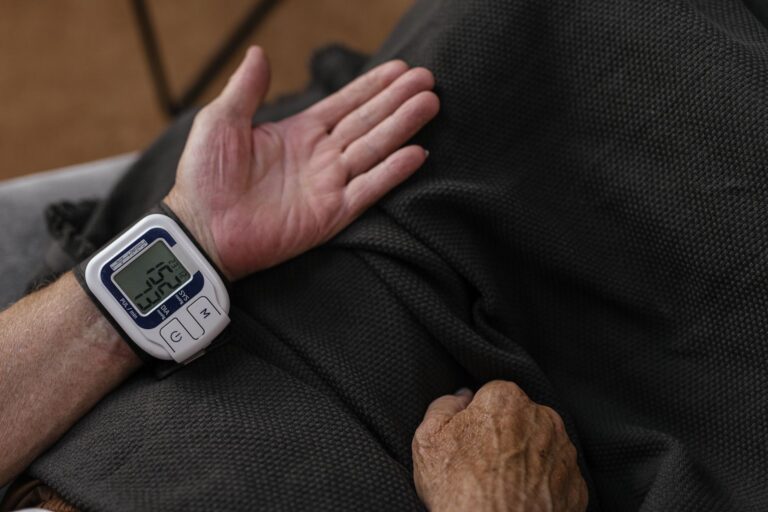
Rivastigmine can slow heart rate, and patients with baseline bradycardia (less than 50 bpm), sick sinus syndrome, or heart conduction defects cannot safely use the patch. Your doctor must check a recent EKG and measure resting heart rate before starting. Vital signs including heart rate must be monitored at every visit.
Patients weighing less than 50 kg (110 lbs) should discuss dosing adjustments because lower body weight may affect how the patch delivers the drug. If your relative has a history of active peptic ulcer disease or gastrointestinal bleeding, ask whether the increased gastric acid secretion from the drug poses risk; the patch formulation causes fewer GI side effects than oral forms, but the risk is not zero. Previous allergic contact dermatitis to rivastigmine or carbamate derivatives are absolute contraindications, as is known skin sensitivity to adhesive patches.
The Mandatory Caregiver Role
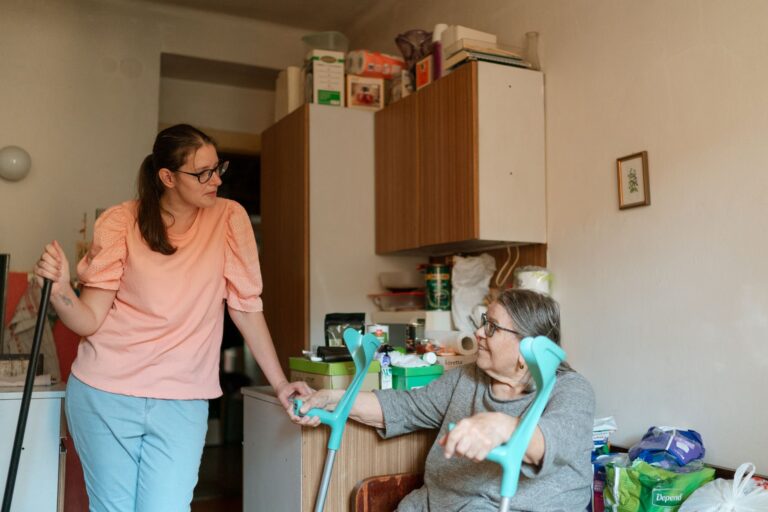
Patients must reside with a caregiver or be in daily contact with one who accepts responsibility for supervising patch application and monitoring the patient's condition throughout treatment. This is not a flexible requirement. The caregiver's job is to ensure the patch is applied correctly, check the skin daily for reactions, watch for side effects (nausea, vomiting, weakness), and report any changes to the doctor.
If your relative lives alone and you visit only weekly or less often, the rivastigmine patch is not safe. Without daily supervision, a confused patient might apply multiple patches, forget application times, or fail to notice a serious skin reaction. The caregiver does not need to be a nurse, but someone must be present in the home or make a daily in-person visit.
Skin Irritation and the Overdose Risk
Skin irritation (erythema, redness, blistering) at patch application sites occurs frequently in clinical trials. Patients should rotate patches to different body sites daily (upper arm, chest, or behind the ear) to give skin time to recover. Most reactions are mild and resolve when you switch sites, but some patients develop lasting sensitivity and cannot tolerate the patch at all.
The most dangerous mistake is wearing more than one patch at once, which can cause rivastigmine overdose (cholinergic crisis) manifesting as hypersalivation, severe vomiting, diarrhea, dehydration, and potentially fatal cardiac problems. The FDA specifically warns caregivers to supervise application and remove old patches before applying new ones. A confused or anxious patient might forget they already put on a patch. This is one of the few ways rivastigmine can cause immediate, life-threatening harm.
Drug Interactions and Surgery Concerns
Rivastigmine has minimal drug-drug interactions because it is not metabolized by the liver's CYP-450 enzyme system, so most common medications are safe to combine with it. However, the drug increases acetylcholine levels that can interfere with neuromuscular blocking drugs used during surgery and anesthesia.
If your relative needs surgery or a procedure requiring anesthesia, the surgical team must know about the rivastigmine patch. Additionally, rivastigmine may worsen Parkinson's-type symptoms in patients who have both Parkinson's disease and Alzheimer's. If your relative has movement symptoms (tremor, rigidity, slow movement), discuss this risk with their neurologist before starting the patch.
Frequently Asked Questions
Can I use rivastigmine if my mother lives in assisted living?
Yes, if the facility accepts responsibility for daily patch application and skin checks. Contact the facility's nurse to confirm they will supervise application, rotate sites, and monitor for side effects before enrolling your mother.
How long should my father stay on rivastigmine if it's not working?
Ask your doctor for a cognitive assessment after three months of full-dose treatment. If his thinking, memory, or daily function has not stabilized or improved, stopping the patch is reasonable. Continuing a medication that shows no benefit exposes him to side effects and skin irritation with no gain.
What happens if my father misses a day or forgets his patch?
Missing one day is not dangerous—acetylcholine levels drop quickly, and a missed dose simply means one day without the drug's protection. Apply the patch the next day at the usual time. Do not double up or apply two patches to compensate.